What Are the Top Valve Products from China?
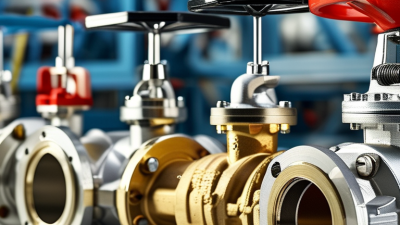
China’s valve industry serves power generation, oil and gas, water treatment, chemical processing, and advanced manufacturing. Its product range is broad. It includes ball valves, gate valves, globe valves, butterfly valves, check valves, control valves, safety valves, and cryogenic designs.
Industry data shows why these products deserve closer attention. Grand View Research’s Industrial Valves Market report identifies Asia Pacific as a leading regional market, supported by infrastructure investment and expanding industrial capacity. The International Trade Centre’s Trade Map also places China among the world’s major exporters under HS 8481, which covers valves, taps, cocks, and similar appliances. These figures provide useful direction. However, HS 8481 combines many product types, so export value alone cannot prove technical superiority.
A reliable comparison must examine more than price. Buyers should review pressure ratings, materials, temperature limits, leakage performance, actuator quality, and certification records. Factory audits can reveal practical details, such as clean machining areas, marked castings, calibrated test benches, and complete inspection files. Relevant standards may include API, ASME, ISO, EN, and applicable local requirements. Real operating conditions matter.
No ranking is perfect.
Some public reports use different market definitions. That weakness can distort comparisons. Therefore, this guide evaluates China’s leading valve products through application fit, manufacturing consistency, documentation, after-sales support, and verified performance. The strongest choice is not always the cheapest one. It is the valve that remains dependable when pressure rises, temperatures change, and maintenance access becomes difficult.
How to Define the Top Valve Products from China
Defining the top valve products from China requires more than comparing prices or factory photographs. A serious evaluation starts with service conditions: media, pressure, temperature, flow rate, cycle frequency, and installation environment. Ball valves may suit tight shutoff, while butterfly valves can reduce weight in large pipelines. Gate valves support isolation, not regular throttling. The correct match matters.
Independent data helps frame the market. MarketsandMarkets estimated the global industrial valve market at about US$78 billion in 2023, with continued growth through 2028. The report links demand to water treatment, energy, chemical processing, and infrastructure upgrades. Therefore, a top Chinese valve should show application-specific engineering, not merely high export volume. Test records should cover pressure performance, material verification, leakage control, and repeated operation. Relevant standards may include ISO, API, EN, or project-specific specifications.
Look closely at the details. Ask for heat numbers, calibrated test equipment, coating records, and traceable inspection reports. For a control valve, review flow-characteristic data and actuator sizing. For a severe-service valve, inspect seat materials and emission performance. Certifications alone are not enough. I would also compare lifecycle cost, spare-part availability, and field service response. This is where many evaluations become imperfect. A polished brochure can hide inconsistent machining or weak documentation. Pilot samples, witnessed tests, and third-party inspection provide stronger evidence. The top product is the one that performs reliably in its actual duty, not the one with the lowest quotation.
What Are the Top Valve Products from China?
Top valve products are defined by application breadth, pressure and temperature capability, flow-control performance, maintenance simplicity, and compliance with widely used industrial standards. The index below is a normalized product-category comparison rather than a company ranking.
Index range: 0–100. Higher scores indicate stronger overall suitability for international industrial procurement.
Which Valve Types Are Most Commonly Made in China
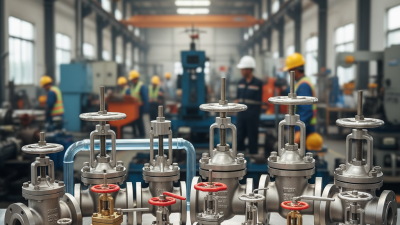
China produces a wide range of industrial valves for water, oil and gas, chemicals, power, and building systems. Ball valves are among the most common, especially for quick shutoff in pipelines. Gate valves remain popular where full-flow isolation matters. Butterfly valves offer lighter bodies and lower installation costs for large-diameter lines. Globe valves support flow control, while check valves prevent reverse flow. These choices reflect practical demand, not one universal solution.
Chinese factories also make control valves, safety valves, diaphragm valves, and cryogenic designs. A stainless-steel ball valve may suit corrosive water, but material selection needs laboratory and site data. For steam service, pressure class, temperature rating, and sealing design deserve close review.
In my experience, a polished sample can hide weak documentation or inconsistent testing. That is an uncomfortable point. Reliable suppliers should provide pressure-test records, material certificates, dimensional checks, and clear inspection procedures.
Tips:
Compare valve type, media, pressure, temperature, connection, and maintenance access before ordering. Ask for traceability from casting heat number to final inspection. Check the actual test report, not only a catalogue claim. A small valve may look simple but fail quickly when the actuator, gasket, or seat is mismatched. Allow independent inspection when the application is critical. Even experienced buyers miss this step.
How Chinese Ball, Gate, Globe, and Butterfly Valves Differ
China offers a wide range of valve products, but ball, gate, globe, and butterfly valves serve different operating needs. Ball valves use a rotating ball with a drilled passage. They open quickly and provide tight shutoff, making them useful for water, gas, and process lines. Gate valves lift a wedge from the flow path. They create low pressure loss when fully open, but they are not ideal for frequent throttling.
Globe valves control flow through a movable disc and shaped seat. Their design supports accurate adjustment, although it creates more pressure drop. Butterfly valves use a rotating disc inside the pipe. They are compact, lightweight, and practical for large diameters. In my experience reviewing valve specifications, Chinese manufacturers can offer strong value, but performance depends heavily on materials, machining, testing, and quality control. A low price alone proves little. That deserves reflection.
Tips: Match the valve to pressure, temperature, media, and operating frequency. Check body and seal materials carefully. Request pressure-test records, dimensional drawings, and traceability documents. Confirm the relevant industry standards before ordering. For critical service, inspect sample valves and verify torque, leakage, coating, and actuator performance. Small details matter.
What Are the Top Valve Products from China? - How Chinese Ball, Gate, Globe, and Butterfly Valves Differ
| Valve Type |
Primary Motion |
Typical Flow-Control Role |
Common Materials |
Typical Pressure Range |
Common Size Range |
Typical Applications |
| Ball Valve |
Quarter-turn rotation of a drilled ball |
Fast isolation with low flow resistance; suitable for on/off service |
Carbon steel, stainless steel, ductile iron, brass, and engineered plastics |
Commonly PN10–PN100 or Class 150–600, depending on design and material |
Approximately DN15–DN600 in many industrial product ranges |
Water, oil, gas, chemical processing, compressed air, and general industrial piping |
| Gate Valve |
Linear movement of a wedge or parallel gate |
Full-flow isolation; generally not recommended for continuous throttling |
Cast iron, ductile iron, carbon steel, stainless steel, and alloy steel |
Commonly PN10–PN420 or Class 150–2500 for selected industrial designs |
Approximately DN50–DN2000, with larger sizes available for waterworks |
Water supply, fire protection, pipelines, power generation, oil, and gas isolation |
| Globe Valve |
Linear movement of a disc toward or away from a seat |
Accurate throttling and flow regulation; higher pressure drop than a full-port ball or gate valve |
Cast steel, carbon steel, stainless steel, bronze, and alloy steel |
Commonly PN16–PN420 or Class 150–2500, subject to construction and temperature |
Approximately DN15–DN500 in common industrial configurations |
Steam, cooling water, boiler systems, process control, and high-temperature services |
| Butterfly Valve |
Quarter-turn rotation of a disc around a shaft |
Compact isolation and moderate throttling; lightweight for large pipelines |
Ductile iron, carbon steel, stainless steel, aluminum bronze, EPDM, NBR, and PTFE-lined designs |
Commonly PN6–PN25 or Class 150; high-performance designs may cover higher ratings |
Approximately DN40–DN4000 in water and industrial product ranges |
Water treatment, HVAC, fire protection, seawater, mining, and low-to-medium-pressure pipelines |
Note: Pressure ratings, dimensions, temperature limits, end connections, and material combinations vary by design. Final selection should be verified against the applicable product standard, operating medium, temperature, pressure, and service conditions.
What Quality Standards Apply to Chinese Valve Products
Chinese valve products are assessed against both domestic and international standards. GB/T 12224 covers general valve requirements, while GB/T 13927 addresses pressure testing. For export projects, engineers may specify ASME B16.34, API 598, or ISO 5208. The correct standard depends on pressure, temperature, fluid, and destination regulations.
The 2023 UN Comtrade database recorded approximately US$14 billion in Chinese exports under HS 8481, covering taps, cocks, and valves. This scale shows strong manufacturing capacity, but volume does not guarantee consistent quality. ISO Survey 2023 also placed China among the largest holders of ISO 9001 certificates. Yet ISO 9001 controls processes, not every valve’s performance.
In practical inspections, buyers should check material certificates, heat numbers, dimensional reports, and traceable test records. A stainless-steel valve should match its stated grade, not merely appear polished. Hydrostatic testing may reveal body leakage, while seat testing checks sealing under specified pressure. API 598 and ISO 5208 define different testing approaches and leakage classes.
Factory audits matter.
I have seen certificates that looked complete but lacked furnace records or calibrated gauge details. That gap deserves attention. Independent inspection, witnessed testing, and random sampling reduce risk. Chinese suppliers can produce excellent valves, but quality depends on specification discipline, process control, and honest verification.
How to Choose a Reliable Chinese Valve Manufacturer
China supplies a broad valve range, including ball, gate, globe, butterfly, and check valves. Mordor Intelligence’s 2024 Industrial Valves Market report estimates global demand will keep growing through 2029. That growth increases supplier choice, but it also increases selection risk.
A reliable Chinese valve manufacturer should provide more than attractive pricing. Ask for ISO 9001 certification, material certificates, pressure-test records, and batch-level traceability. For pipeline applications, review compliance with API 6D, ASME B16.34, or the specification required by your project. Request a live factory audit when possible. Check machining areas, calibration labels, welding procedures, and final inspection stations.
Details matter.
The World Valve Association reports that industrial valves support energy, water, chemical, and manufacturing systems worldwide. Therefore, verify whether the manufacturer has experience with your medium, pressure, temperature, and installation environment. A serious supplier should explain seat materials, actuator sizing, corrosion resistance, and expected maintenance intervals clearly. Independent inspection before shipment can confirm dimensions and test results. I have found that polished catalogs can hide weak documentation. That is an uncomfortable but useful lesson. Do not judge reliability from one successful sample. Compare several production batches, response times, nonconformity handling, and after-sales evidence before signing a long-term contract.