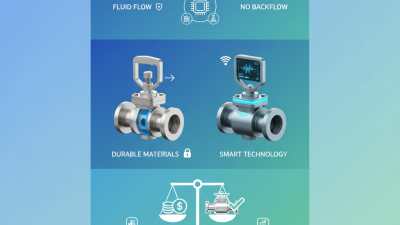
China Top Mechanical Valve Types and Their Applications?
Mechanical valves are vital components in various industries. They control the flow of liquids and gases in systems. Understanding their types and applications is crucial for designing efficient processes.
In China, mechanical valves come in diverse forms. Each type serves specific functions across sectors like oil and gas, water treatment, and manufacturing. Valves can handle different pressures and temperatures, making them versatile. Yet, selecting the right valve requires careful consideration.
Many users may overlook the importance of quality. Poor choices lead to operational issues. Whether in a factory or a water supply system, reliability is key. Proper knowledge helps avoid costly mistakes. It empowers engineers and decision-makers to choose the right mechanical valve for their needs.
Overview of Mechanical Valves Used in China
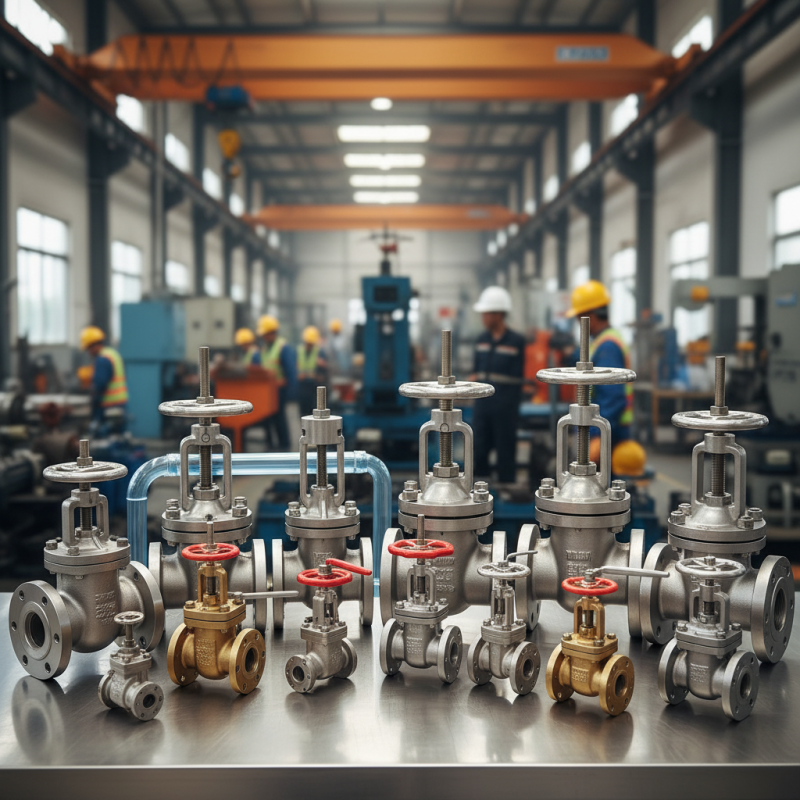
Mechanical valves are essential components in various industrial applications across China. They regulate fluid flow and pressure in systems like water supply, oil refineries, and chemical processing. Different types of mechanical valves serve specific needs. For instance, gate valves are commonly used for on-off control, while globe valves excel at regulating flow.
In recent years, advancements in materials and technology have improved valve performance and reliability. Stainless steel and brass are popular choices due to their corrosion resistance. However, many manufacturers struggle with achieving consistent quality. Valve leaks can lead to serious safety hazards and costly downtime. This concern necessitates stricter quality control measures.
Another key aspect is maintenance practices. Regular inspections are crucial for ensuring optimal valve function and longevity. Many systems in China still face challenges with inadequate maintenance schedules. The gap between ideal and actual practices often reflects in system inefficiencies. By addressing these issues, industries can enhance operational reliability and reduce unexpected failures.
China Top Mechanical Valve Types and Their Applications
| Valve Type |
Application |
Material |
Pressure Rating |
Temperature Range |
| Gate Valve |
Oil and Gas |
Carbon Steel |
Class 150 - Class 2500 |
-29°C to 425°C |
| Ball Valve |
Water Supply |
Stainless Steel |
Class 150 - Class 600 |
-196°C to 450°C |
| Globe Valve |
Steam & Water Control |
Bronze |
Class 125 - Class 600 |
-29°C to 300°C |
| Check Valve |
Wastewater Management |
PVC |
- |
-10°C to 60°C |
| Butterfly Valve |
HVAC Systems |
Aluminum |
Class 150 - Class 300 |
-20°C to 80°C |
Types of Mechanical Valves and Their Characteristics
Mechanical valves are crucial in various industries, offering control over fluid flow. Understanding their types and characteristics helps in selecting the right valve for specific applications. The most common types include globe valves, gate valves, ball valves, and check valves. Each type serves a unique purpose based on its design.
Globe valves are known for their efficiency in regulating flow. They have a spherical body that allows for slight adjustments. Gate valves, on the other hand, are designed primarily for on/off control. They restrict flow when fully closed, and their disc structure enables an unobstructed flow path when open. Ball valves are favored for their durability and quick operation. They use a rotating ball to control flow, providing a tight seal.
Check valves maintain flow direction and prevent backflow. They operate automatically, requiring no user intervention. According to a recent industry report, the demand for ball valves is expected to grow at a CAGR of 5% from 2023 to 2030. This growth underscores the importance of selecting the right valve for efficiency and longevity.
**Tips:** When selecting a valve, consider the medium it will handle. Corrosive substances require specific materials. Regular maintenance is essential for long-term performance to avoid unexpected failures. Always be prepared for performance reviews; ensuring functionality can save resources and time.
This chart illustrates the percentage of applications for different types of mechanical valves commonly used in various industries in China, highlighting their importance and usage in sectors like water supply, oil and gas, and manufacturing.
Common Applications of Mechanical Valves in Various Industries
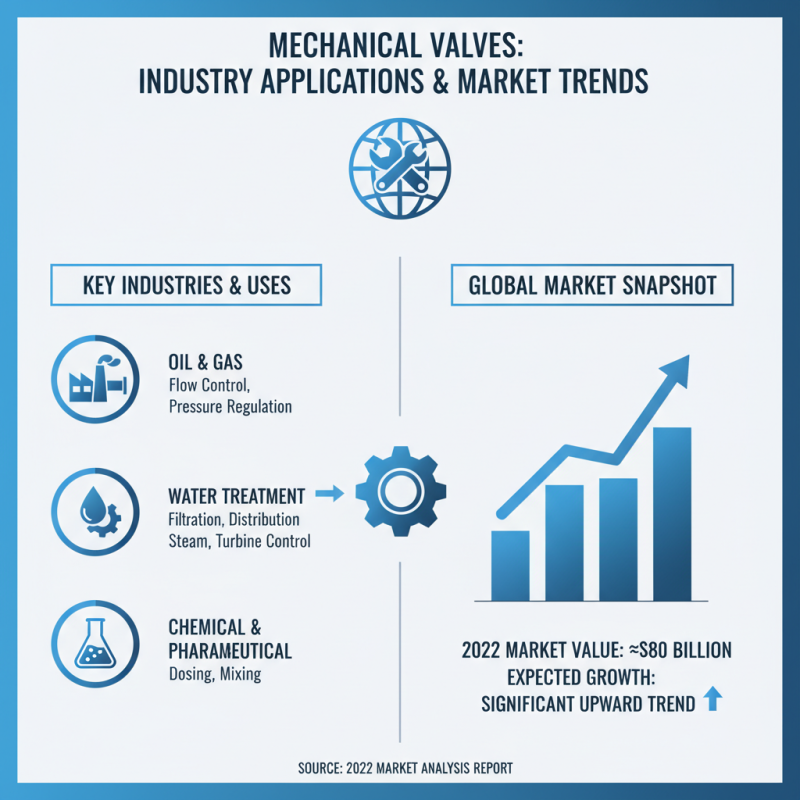
Mechanical valves play a crucial role across various industries. Their primary function is to control fluid flow and pressure. According to a recent market analysis report, the global valve market was valued at approximately $80 billion in 2022. This figure is expected to grow significantly, driven by increasing industrial demands.
In the oil and gas sector, mechanical valves are essential for pipeline management. They prevent backflow and regulate pressure, ensuring safety and efficiency. A report by the International Energy Agency highlights that nearly 25% of pipeline incidents are due to valve failures. This statistic emphasizes the need for high-quality valve designs to enhance operational reliability.
In water treatment facilities, control valves manage the flow of water through filtration systems. These valves help maintain necessary flow rates, ensuring clean water supply. As per a study from the American Water Works Association, about 70% of water treatment facilities report issues linked to valve maintenance. Regular checks are necessary but often overlooked, indicating a gap in operational protocols.
Factors to Consider When Selecting Mechanical Valves
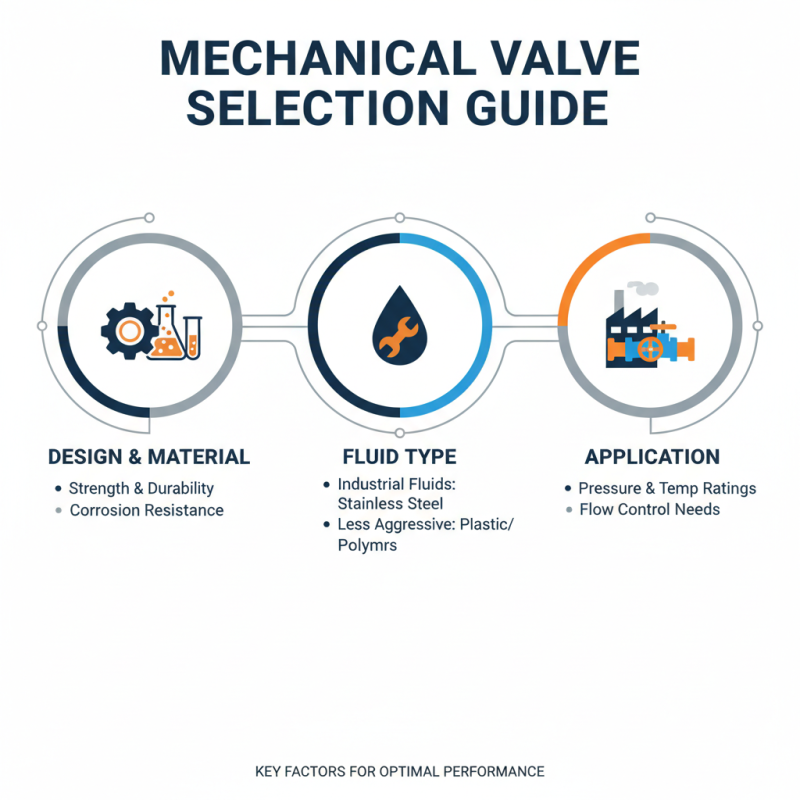
When selecting mechanical valves, several factors warrant careful consideration. The valve's design and material are crucial. Different applications require specific materials for strength and corrosion resistance. For instance, stainless steel is often preferred for industrial fluids. Conversely, plastic materials might be suitable for less aggressive environments.
Pressure ratings are another significant factor. Valves must withstand the operating pressure of their systems. A valve rated below this pressure risks failure, leading to leaks or system breakdowns. Choosing the right size also matters. An oversized valve may not operate efficiently, while one that is too small can lead to pressure drops.
Compatibility with the working medium is essential. Valves should be compatible with liquids, gases, or steam they will encounter. Overlooking this can result in premature wear or damage. Additionally, the ease of maintenance plays a role in long-term performance. Some designs facilitate easy disassembly and cleaning, which is beneficial for ongoing operations. Making the right choice involves analyzing the specific needs of your application. Small errors in selection can have significant consequences, leading to increased costs or inefficiencies.
Future Trends in Mechanical Valve Technology in China
In China, the future of mechanical valve technology is evolving rapidly. Innovation is driven by the demand for efficiency and reliability. Upcoming years will witness a shift towards smart valves integrated with IoT technology. This will allow real-time monitoring and remote control. Such advancements will improve system performance and reduce maintenance costs.
Another important trend is the emphasis on sustainable materials. Traditional materials are often heavy and less environmentally friendly. New lightweight alloys and composites are being researched and tested. These materials not only enhance performance but also contribute to ecological stewardship. However, challenges remain in ensuring durability and cost-effectiveness.
The industry must also address the need for skill development. As technology advances, the workforce needs to adapt. Training programs should focus on new technologies and troubleshooting. There is a gap between current skills and future demands. Bridging this gap will be crucial for the sector’s growth.