10 Best Valve Products for Global Buyers?
Global buyers rarely purchase a valve by appearance alone. They compare pressure ratings, materials, actuation, certifications, delivery terms, and service support. This guide introduces 10 valve products selected for practical industrial and commercial applications. Each option reflects common needs in water treatment, oil and gas, chemical processing, energy, and manufacturing. Expect clear differences.
A stainless steel ball valve may suit clean water systems and frequent shutoff cycles. A resilient-seated gate valve may offer reliable isolation in large pipelines. For high-temperature steam, metal-seated designs often deserve closer inspection. Small details matter. Thread standards, flange dimensions, seal compounds, and testing records can decide whether installation succeeds. The review uses a buyer-focused lens. It considers manufacturer documentation, traceability, operating history, and realistic maintenance demands. Relevant references may include ISO, API, ASME, and regional certification requirements, depending on the application. However, a certificate alone proves little. Ask for current test reports, material records, and clear warranty terms. Do not rely on catalog claims.
A product that looks economical may create higher costs through leaks, difficult repairs, or delayed spare parts. Lead times, technical response, and local compatibility deserve equal attention. The list is not universal. Process fluids, climate, pressure cycling, and installation quality can change the best choice. Some recommendations may need adjustment after site inspection. That limitation is important. Good sourcing involves verification, not confident guessing.
Global Valve Market Scope: 10 Products Across 5 Core Valve Functions
Global valve demand is moving beyond basic shutoff equipment. MarketsandMarkets estimates the industrial valve market could grow from about USD 76 billion in 2023 to nearly USD 99 billion by 2028. Infrastructure renewal, water treatment, energy, and process manufacturing support this expansion. Buyers should evaluate pressure class, temperature, media compatibility, maintenance access, and certification before comparing prices.
Five core valve functions cover ten practical products. Isolation includes gate valves and ball valves for pipeline shutdown. Flow regulation uses globe valves and butterfly valves, especially where space matters. Non-return protection relies on swing check valves and lift check valves. Pressure management includes safety relief valves and pressure-reducing valves. Directional or service control uses plug valves and diaphragm valves. A 2024 Grand View Research report also identifies water, oil and gas, chemicals, and power as major demand areas. The figures differ by research method, but the trend remains credible.
Field experience shows that product labels can mislead. A compact butterfly valve may save installation space, yet its disc can affect abrasive flow. A ball valve closes quickly, but rapid closure may create water hammer. Diaphragm valves suit corrosive fluids, although diaphragm wear needs scheduled inspection. The list is useful, not perfect. Buyers should verify API, ASME, ISO, or local requirements with qualified engineers. A valve’s real value appears beside the pipe, flange, actuator, and maintenance plan—not in a catalogue alone.
Selection Metrics: Pressure Classes, Temperature Ranges, Cv, and ISO 5208 Leakage
For global buyers, pressure class is a starting filter, not a final decision. ASME B16.34 lists common classes from 150 to 2500, but ratings change with body material and temperature. A Class 600 valve at ambient conditions may carry far less pressure at 400°C. Always compare the pressure-temperature table with the project’s actual fluid temperature.
Cv also needs practical checking. Under ISA-75.01.01, one Cv represents one US gallon per minute of water with a one-psi pressure drop. A valve with excessive Cv can operate nearly closed, reducing control stability. An undersized valve may remain fully open and still miss the required flow. Calculate normal, minimum, and maximum flow. Check cavitation and noise too. Small errors matter.
ISO 5208:2015 defines six leakage-rate classes, from no visible leakage to specified measurable limits. Specify the class, test medium, duration, and seat direction. “Bubble-tight” alone is incomplete. A 2024 industrial-valves market report estimated global demand at roughly USD 78 billion, reflecting wide project variation and stricter procurement checks. Yet market size does not prove suitability. A spreadsheet can still lie. I would verify certificates, test records, and calibration dates before approval. Temperature cycling deserves attention; it can expose seat leakage that a single factory test misses. Industry practice also favors recording Cv at stated pressure conditions, not as an isolated catalog number.
10 Best Valve Products for Global Buyers? - Selection Metrics: Pressure Classes, Temperature Ranges, Cv, and ISO 5208 Leakage
The 10 Best Valve Products: Ball, Gate, Globe, Butterfly, and Check Valves
10 Best Valve Products for Global Buyers
The 2024 Grand View Research report estimated the global industrial valves market at about USD 78 billion in 2023. Demand is growing across water, energy, chemical, and manufacturing projects. For global buyers, the best choice depends on pressure, temperature, media, maintenance access, and certification requirements.
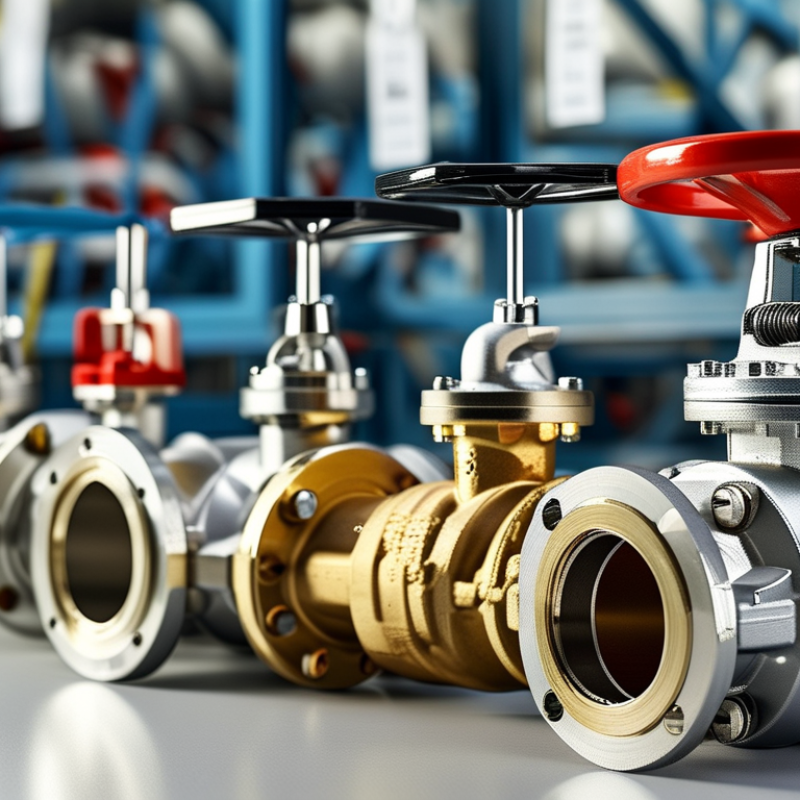
This list covers ten practical products. Floating ball valves suit compact, tight shutoff service. Trunnion ball valves support larger pipelines and higher pressures. Wedge gate valves provide full-bore isolation with low pressure loss. Parallel gate valves work well in selected high-temperature systems. Globe valves offer accurate throttling and easier flow adjustment. Angle globe valves can reduce piping complexity. Wafer butterfly valves save space and weight between flanges. Lug butterfly valves allow more flexible maintenance. Swing check valves prevent reverse flow in horizontal lines. Lift check valves respond quickly in clean, controlled piping.
The 2023 MarketsandMarkets industrial valves report identifies oil and gas, water infrastructure, and power generation as major demand areas. Yet market reports cannot replace site engineering. A butterfly valve may be efficient, but its disc can disturb abrasive flow. A ball valve may seal tightly, but trapped media requires careful safety planning. Buyers should verify pressure classes, body materials, seat compatibility, fire testing, and leakage results under ISO 5208 or comparable standards. Standards help. They do not remove every installation mistake. The most reliable purchase includes traceable test records, clear drawings, spare seals, and practical after-sales support.
Global Compliance: API 6D, ASME B16.34, ISO 5211, and IEC 60534 Requirements
10 Best Valve Products for Global Buyers?
Global buyers should judge valves by service conditions and compliance, not appearance. A practical portfolio may include ball, gate, globe, check, butterfly, plug, cryogenic, knife gate, control, and lined valves. Each type serves a different duty, from pipeline isolation to precise flow regulation. API 6D is central for pipeline valves, especially ball, gate, and check designs. It addresses design, pressure testing, documentation, and safety expectations. Ask for material certificates, inspection records, and serial-number traceability.
ASME B16.34 establishes pressure-temperature ratings, materials, wall thickness, and testing requirements. Confirm the rating at the actual operating temperature. A valve marked “high pressure” proves very little by itself. For automated valves, ISO 5211 defines actuator mounting dimensions and drive interfaces. This helps prevent costly installation surprises, but the mounting standard does not confirm actuator performance. Check torque, travel limits, fail position, and cycle requirements separately. Small details matter.
IEC 60534 supports control-valve selection, sizing, testing, and performance evaluation. Buyers should review flow coefficient, noise, cavitation risk, leakage class, and allowable pressure drop. A control valve can meet the standard and still perform poorly if the sizing data is incomplete. I have seen projects focus heavily on certificates while overlooking dirty fluid, temperature swings, or limited maintenance access. That approach needs reconsideration. Request drawings, test procedures, calibration evidence, and clear nonconformance handling before shipment. Some documents may look complete, yet their technical assumptions remain unclear.