Why Choose a Mechanical Valve for Your Application Needs?
In various industrial applications, the choice of components significantly impacts performance. Among these components, the mechanical valve stands out for its reliability and durability. According to a report by Global Market Insights, the mechanical valve market is projected to reach USD 22 billion by 2026, indicating robust demand across sectors.
Mechanical valves offer precise control over fluid flow. They are ideal for high-pressure and high-temperature environments. In petrochemical industries, for instance, these valves can withstand extreme conditions, ensuring system integrity. The American Society of Mechanical Engineers (ASME) highlights that proper valve selection can reduce operational failures by up to 30%. This data signifies the importance of choosing the right valves.
However, selecting mechanical valves isn’t without challenges. Users often overlook maintenance needs, leading to potential system failures. Understanding the specific requirements of your application is essential. Mechanical valves may require more initial investment, yet they often result in lower long-term costs due to their longevity. Thoughtful assessment can optimize operations while minimizing risks.
Advantages of Mechanical Valves in Industrial Applications
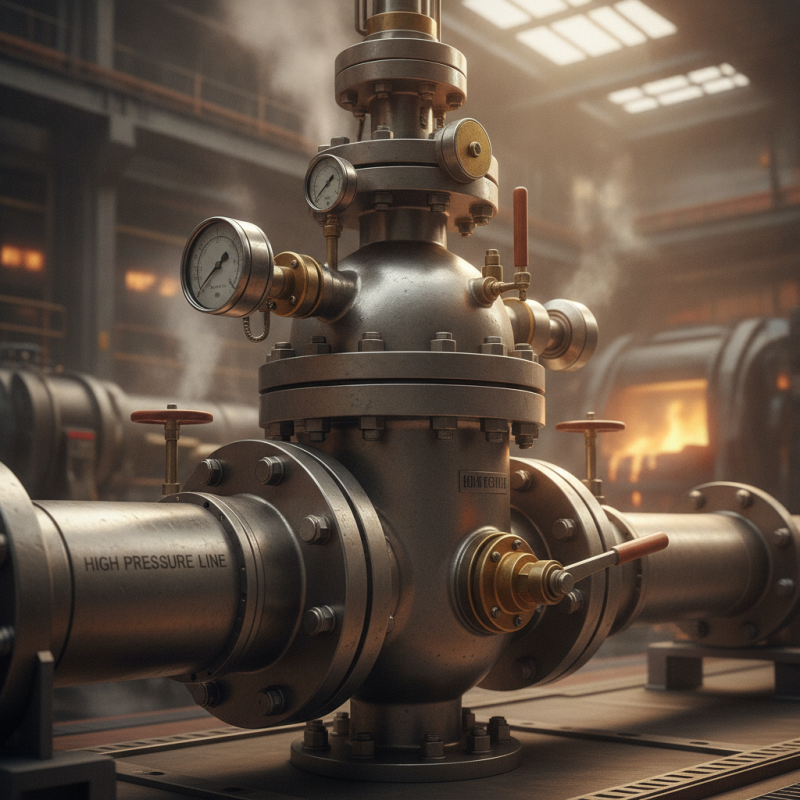
Mechanical valves are widely used in industrial applications for several key reasons. One of the significant advantages is their durability. These valves are designed to withstand harsh conditions. They resist corrosion and high temperatures, making them suitable for demanding environments. In sectors such as oil and gas, mechanical valves play a crucial role in ensuring operational efficiency and safety.
Another advantage is their precise control. Mechanical valves allow for accurate flow regulation. This can prevent over-pressurization and enhance system performance. Users can rely on these valves for consistent operations. Their simplicity in design also translates to easy maintenance, which can reduce downtime in industrial settings.
However, it's important to acknowledge that not all applications might benefit from mechanical valves. There are instances where newer technologies could provide better efficiency or connectivity. Users should assess their specific needs. Conducting a thorough evaluation of factors like fluid type and pressure conditions can be beneficial. Finding the right valve is crucial for long-term success in any industrial application.
Key Factors to Consider When Choosing a Mechanical Valve
When selecting a mechanical valve, several crucial factors come into play. The application environment significantly affects the choice of materials. Corrosive substances require durable materials like stainless steel or brass. In less demanding environments, plastic valves may suffice. Understanding the media being controlled is essential for reliability.
Another key aspect is the valve design. Valves come in various types, such as ball, gate, and butterfly. Each design has unique flow characteristics. Ball valves offer tight sealing and fast acting, while butterfly valves are more compact. Consider the space and the flow requirements of your system while making this decision.
Tips: Always review the pressure ratings. It's vital to ensure the valve can handle maximum pressure in your application. Checking for industry standards and certifications adds another layer of confidence in your choice. Keep in mind the maintenance needs too; some designs may require frequent checks while others might be more user-friendly. Reflect on your operational needs and how they align with these characteristics for the best results.
Types of Mechanical Valves and Their Specific Uses
Mechanical valves play a crucial role in various industries, offering reliable control of fluid flow. There are several types of mechanical valves, each with specific uses. Gate valves, for instance, are excellent for on/off control. They are commonly found in water supply systems and oil pipelines. According to industry data, gate valves can provide a tight seal, minimizing leaks and ensuring system integrity.
Another type is the globe valve, favored for its throttling capability. This valve is often used in applications requiring precise flow regulation. In chemical processing plants, globe valves can handle varying pressures and temperatures effectively. Studies show that these valves can improve efficiency by up to 30% in some cases.
Ball valves are highly versatile, suitable for quick shut-off. They excel in both gas and liquid applications. The quick operation reduces downtime, which is vital in production settings. While these valves are effective, their performance can be impacted by the specific fluid type and operating conditions. Mechanical valves benefit from continuous research and improvement. However, choosing the wrong type can lead to maintenance issues. Understanding the nuances of each valve is essential for optimizing performance.
Maintenance and Longevity of Mechanical Valves
Mechanical valves offer exceptional durability, making them suitable for various applications. Their maintenance and longevity play a crucial role in operational efficiency. Regular upkeep extends the life of these valves, preventing costly replacements. Users should conduct routine inspections to ensure optimal function. Watching for leaks and unusual noises can identify problems early.
Longevity relies heavily on material quality and environmental factors. Valves exposed to harsh conditions may require more attention. Regular lubrication and cleaning can combat wear and tear. Though mechanical valves are robust, neglect can lead to failure. Understanding the specific demands of each application is key. It ensures that these valves perform efficiently over time.
Investing time in maintenance reflects on overall performance. It is important to document inspection results and maintenance schedules. This diligent approach fosters a more reliable operation. Remember, regular checks are an opportunity to learn. Every inspection teaches something new about the valve's condition and the environment it operates in.
Why Choose a Mechanical Valve for Your Application Needs? - Maintenance and Longevity of Mechanical Valves
| Aspect |
Mechanical Valves |
Other Valve Types |
| Maintenance Frequency |
Low (every 1-3 years) |
High (every 6 months) |
| Lifespan |
10-20 years |
5-10 years |
| Operating Pressure |
High (up to 600 psi) |
Lower (up to 300 psi) |
| Temperature Resistance |
-40°F to 450°F |
-20°F to 300°F |
| Flow Control Precision |
High |
Moderate |
| Weight |
Heavy |
Light |
Cost-Effectiveness of Mechanical Valves for Various Applications
Mechanical valves are increasingly favored for their cost-effectiveness across a range of applications. Industry reports indicate that mechanical valves typically incur lower initial costs compared to their electronic counterparts. For instance, a study published by the Valve Manufacturers Association highlights that mechanical valves can reduce upfront expenditure by up to 30%. This price advantage is particularly beneficial for small and medium-sized enterprises that operate with tighter budgets.
Additionally, mechanical valves often require less maintenance than electronic options. They function without reliance on complex electronics, minimizing the risk of failure. According to a report from the American Society of Mechanical Engineers, maintenance costs for mechanical valves can be as much as 50% lower over their lifecycle. This lifecycle cost analysis demonstrates that choosing mechanical valves can lead to substantial long-term savings.
However, it’s essential to consider specific application needs. Mechanical valves may not offer the same precision or flexibility in control as electronic valves. For processes requiring fine-tuning, this could be a drawback. Evaluating requirements is crucial. While mechanical valves provide clear financial benefits, their limitations must be factored in to make an informed decision. Balancing cost with performance ensures the best outcomes for various applications.