What Are Valve Products and How Do They Work?
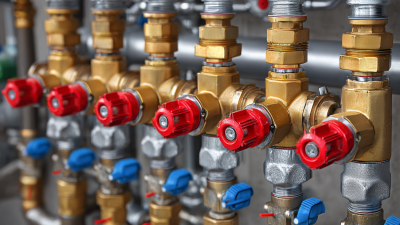
Valve products are engineered devices that control, direct, isolate, or regulate fluids and gases. They appear in water networks, chemical plants, heating systems, food processing lines, and energy facilities. A valve may look simple from the outside. Its internal movement can be highly precise.
Inside, a ball valve uses a drilled sphere that turns within the flow path. A gate valve lifts a metal gate, while a globe valve moves a plug against a seat. Check valves respond automatically to flow direction. Control valves adjust continuously through pneumatic, electric, or hydraulic actuators. These differences matter. Each design suits particular pressures, temperatures, flow rates, and media.
Selecting valve products requires more than matching pipe size. Engineers examine body materials, seal compatibility, pressure ratings, connection types, leakage limits, and operating frequency. Stainless steel may resist corrosion, but it is not automatically suitable for every chemical. A correctly sized valve can still perform poorly when installed backward or operated beyond its limits. That detail is easy to miss.
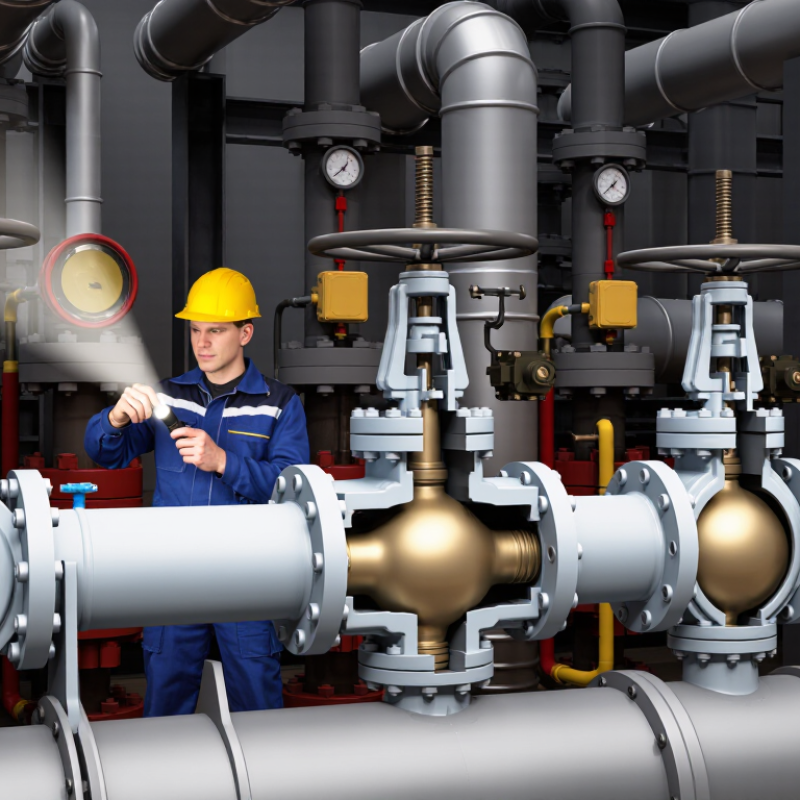
In field inspections, technicians often check stem condition, seat wear, flange alignment, and signs of external leakage. They also review maintenance records and manufacturer instructions. A quiet valve is not always a healthy valve. Some failures develop internally before visible damage appears. Reliable results depend on documented testing, qualified installation, and regular monitoring. This guide explains how valve products work and how practical design choices influence safety, efficiency, and service life. There is no universal valve. The right answer depends on the system.
What Valve Products Are and the Problems They Solve
Valve products are mechanical or automated devices that control fluids, gases, or slurries inside a system. They open, close, throttle, redirect, or protect flow under changing operating conditions. A ball valve can isolate a pipe quickly, while a globe valve adjusts flow more gradually. A check valve prevents reverse movement when a pump stops. These differences matter at the installation point.
The main problems they solve are leakage, backflow, pressure spikes, contamination, and difficult maintenance. For example, a pressure-relief valve can release excess pressure before a vessel or pipeline reaches a dangerous level. A shutoff valve lets technicians separate one section during inspection or repair. In water systems, proper backflow control protects clean supplies from unwanted reverse flow. In process equipment, accurate throttling can reduce waste and keep temperatures stable. The wrong valve can create turbulence, noise, rapid wear, or an unexpected shutdown.
Reliable selection starts with fluid type, pressure, temperature, flow rate, connection size, and cycling frequency. Material compatibility deserves careful attention, especially with corrosive or abrasive media. Installation details matter too; a well-rated valve can still fail after poor alignment or excessive pipe stress. During inspection, technicians should check seals, actuator response, corrosion, and signs of leakage. Small drips are not always harmless. They may indicate a failing seat or rising system pressure. Valve products solve specific control problems, but they are not magic fixes. I would review the operating data again before approving a replacement.
The Main Types of Valves and Their Distinctive Features
What Are Valve Products and How Do They Work?
The Main Types of Valves and Their Distinctive Features
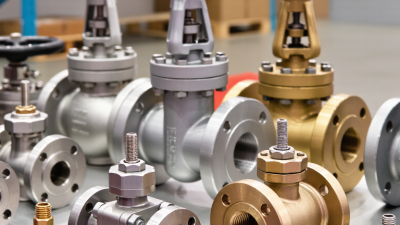
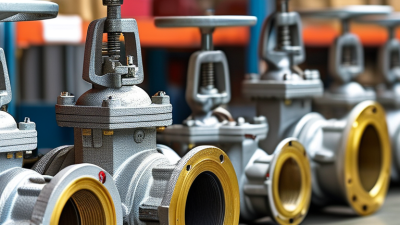
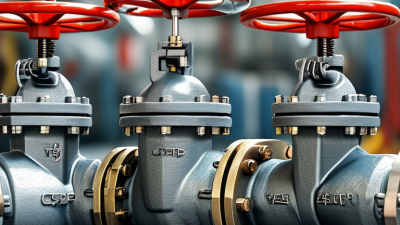
Valve products control, isolate, or redirect fluid inside pipelines. Their designs differ by movement, sealing method, and service conditions. Gate valves provide low resistance during full flow. However, they are poor choices for frequent throttling. Globe valves offer accurate flow control through a moving disc. Their curved passage creates greater pressure loss.
Ball valves use a quarter-turn motion and a drilled sphere. They close quickly and usually provide tight shutoff. Butterfly valves use a rotating disc, making them lighter and more compact for large pipes. Check valves prevent reverse flow without an operator. Safety valves release excess pressure when systems become dangerous. The U.S. Department of Energy reports that pumping systems may consume 25% to 50% of industrial electricity. Correct valve selection can therefore influence energy use, not only maintenance costs. The detail is easy to overlook.
Tips: Match the valve body, seal, and actuator with temperature, pressure, fluid chemistry, and cycling frequency. Confirm the required flow coefficient before ordering. A valve that fits the pipe may still restrict capacity.
Field inspections often reveal practical differences. A sticky handwheel may indicate corrosion, poor alignment, or unsuitable packing. A noisy control valve can signal cavitation. The International Society of Automation recommends considering process dynamics, sizing, and fail-safe action during control-valve selection. Still, calculations are not enough. Installation angle, nearby elbows, and operator habits can change performance. A perfect specification can fail in an imperfect pipeline.
What Are Valve Products and How Do They Work?
Main valve types are compared by their commonly intended functions. A value of 1 means the valve type is commonly suited to that function; 0 means it is generally not its primary purpose.
Gate and ball valves are mainly used for isolation, while globe, butterfly, and diaphragm valves are commonly selected when throttling is required. Check valves automatically prevent reverse flow and normally operate without manual quarter-turn control.
How Valves Control, Direct, and Regulate Fluid Flow
Valve products are mechanical devices that control, direct, or regulate fluid flow. They appear in water lines, chemical plants, energy facilities, and building systems. Common types include ball, gate, globe, butterfly, check, and control valves. Each design handles a different task. A ball valve gives quick shutoff. A globe valve adjusts flow more precisely. A check valve prevents reverse movement.
Operation depends on the relationship between the body, trim, actuator, and pressure difference. Turning a handle moves a disc, ball, or plug. An electric or pneumatic actuator can also position the valve automatically. In a control loop, sensors measure pressure, temperature, or flow. The controller then changes the valve opening. Small changes matter. Excessive throttling may create noise, vibration, or cavitation. The U.S. Department of Energy’s Steam System Sourcebook warns that poorly managed steam systems can waste 20–30% of their energy. Valve selection therefore affects both process stability and operating cost. I have found that “fully open” does not always mean efficient. Pipe sizing and control logic matter too.
Tips:
Match the valve material with the fluid, temperature, and pressure. Check the manufacturer’s published flow coefficient before sizing. Inspect packing, seals, and actuator response during maintenance. Grand View Research estimated the global industrial valves market at about USD 78.5 billion in 2023, reflecting the scale of these decisions. Still, market growth does not guarantee good engineering. Field conditions often expose assumptions that looked correct on paper.
Key Components That Enable Valve Operation
What Are Valve Products and How Do They Work?
Key Components That Enable Valve Operation
Valve products regulate, isolate, or redirect liquids, gases, and slurries. Their performance depends on several coordinated components. The valve body contains pressure and connects to the piping system. Inside, a ball, disc, plug, or gate controls the flow path. The seat forms the sealing surface. Even a small scratch can cause leakage under pressure.
The stem transfers movement from the actuator to the closure element. Actuators may use electric motors, compressed air, hydraulic power, or manual force. A spring can return the valve to a safer position when power fails. Packing surrounds the stem and limits emissions, while the bonnet protects internal parts. In control applications, a positioner adjusts movement against changing pressure and flow conditions.
According to the MarketsandMarkets Industrial Valves Market report, the global market was estimated at about USD 78.7 billion in 2023. It is projected to reach roughly USD 97.5 billion by 2028. This growth reflects demand for reliable flow control in water, energy, chemical, and manufacturing systems.
Yet reported market growth does not guarantee field reliability. Incorrect sizing remains common. Excessive actuator force can damage seats, while weak maintenance can harden packing. Technicians should verify pressure ratings, temperature limits, material compatibility, and cycle requirements before installation. A valve may look simple. Its operating details are not.
Factors for Selecting Valves for Different Applications
Valve products control, direct, or stop the movement of liquids, gases, and slurries. A valve works by changing an internal passage with a disc, ball, plug, gate, or flexible diaphragm. Operators may use handwheels, levers, electric actuators, or pneumatic systems. The correct movement depends on pressure, temperature, flow direction, and shutdown requirements.
Selecting a valve begins with the application, not the product name. Check the fluid’s chemical properties, viscosity, temperature, and possible solids. A corrosive liquid may require carefully chosen body and seal materials. High-pressure steam needs strong construction and suitable pressure ratings. For frequent adjustment, a control valve may perform better than a simple isolation valve. Space also matters, especially around large pipelines or equipment access points. In practical inspections, installation errors often cause more trouble than the valve itself. That point is easy to overlook.
Tips:
Record operating pressure, temperature, pipe size, flow rate, and fluid data before choosing. Confirm the valve’s pressure class and material compatibility. Consider maintenance access and replacement time. Ask whether the valve must fail open, fail closed, or remain in position during power loss. Test the actuator response under realistic conditions. Small details matter. A slightly incorrect seal can create leakage, downtime, or repeated repairs. Selection guides are useful, but field conditions can challenge their assumptions. Review the decision with qualified engineering personnel and the applicable technical standards.