Why is a Shut Off Valve Essential for Your Plumbing Needs?
A shut off valve is a crucial component in any plumbing system. According to the American Society of Plumbing Engineers, proper valve installation can prevent 30% of plumbing failures. These failures often lead to costly repairs and extensive water damage. When a plumbing emergency occurs, knowing how to operate a shut off valve is vital. This valve allows you to quickly stop the water flow, minimizing potential risk.
Many homeowners overlook the importance of shut off valves. They may think they only need them during a crisis. However, regular maintenance can prolong the life of your plumbing system. A neglected shut off valve can corrode or become stuck, creating delays in emergency situations. Reports indicate that nearly 15% of homeowners do not have accessible shut off valves. This statistic raises concerns about potential water damage during emergencies.
A functioning shut off valve doesn't just protect your home; it also saves money. Studies show that homes with proper valve systems experience fewer insurance claims. Investing in quality shut off valves can lead to significant savings. Ensuring these valves are in place and operational is a smart decision for any homeowner.
The Functionality of Shut Off Valves in Plumbing Systems
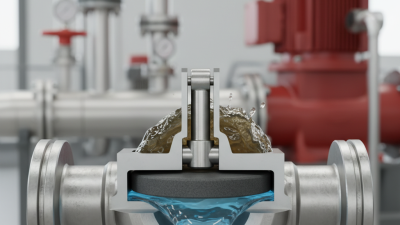
A shut off valve plays a critical role in plumbing systems. It allows you to control water flow when necessary, preventing potential damage. In emergency situations, these valves are crucial. According to the American Society of Plumbing Engineers, nearly 70% of water damage claims result from failed plumbing components. A functioning shut off valve can mitigate this risk significantly.
Proper installation of shut off valves ensures accessibility for maintenance. Many homeowners overlook their importance until faced with a leak. Regularly testing these valves can prevent complications. Industry experts recommend that you check your shut off valves at least once a year. This routine maintenance can prolong their lifespan and ensure reliability.
If you encounter resistance while turning your valve, it may need lubrication. A bit of plumbing grease can work wonders. Also, consider labeling your valves clearly. This simple step can save you valuable time during water emergencies. Making sure valves are easily accessible enhances your overall plumbing efficiency. Each detail matters for a reliable plumbing system.
Types of Shut Off Valves Used in Residential Plumbing
Shut off valves play a critical role in residential plumbing. They are essential for controlling water flow during emergencies or repairs. Understanding the types of shut off valves can help homeowners make informed decisions.
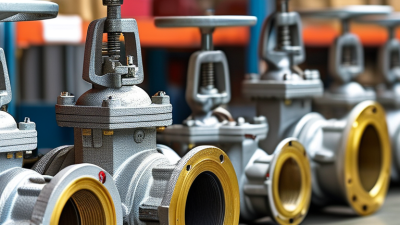
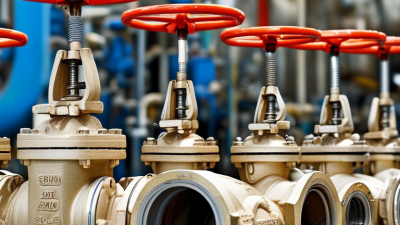
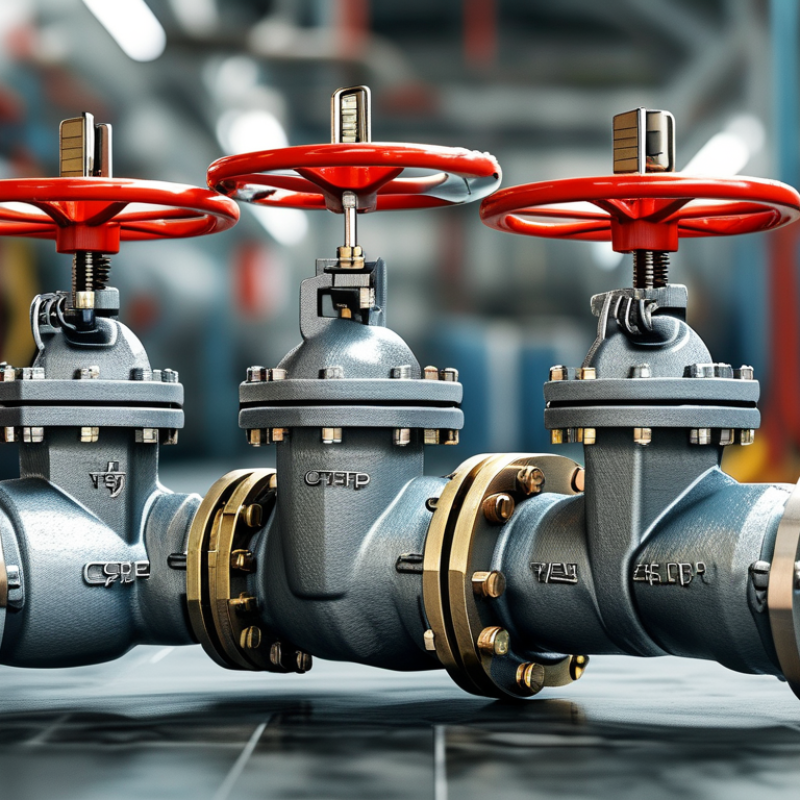
There are several common types of shut off valves. The gate valve is a popular choice for its ease of operation. It uses a round handwheel to control flow, making it user-friendly. The ball valve, known for its durability, allows for quick shut-off. A quarter turn is all it takes. The globe valve, while less common in homes, provides precise flow control but requires a bit more effort to operate.
For maintenance, inspect your shut off valves regularly. Look for leaks or rust. A minor issue today can lead to significant problems later. Ensure that everyone in your household knows the location of these valves. This knowledge can save time during emergencies. Keep them accessible, not hidden behind appliances.
Homeowners often overlook these crucial components. A report by the American Society of Plumbing Engineers indicates that 30% of plumbing failures stem from improper valve use. Understanding and maintaining your shut off valves is vital for a reliable plumbing system.
Benefits of Installing Shut Off Valves in Your Home
Shut off valves are a crucial component of any home's plumbing system. These small but mighty devices allow homeowners to control the flow of water throughout their property. When issues arise, such as leaks or plumbing repairs, a shut off valve enables quick and precise access to stop water flow. This feature can save both time and money during emergencies, avoiding potential water damage.
Installing shut off valves in strategic locations, like under sinks and near appliances, enhances your home’s safety. It provides peace of mind, knowing you can swiftly address any unforeseen plumbing problems. However, not all homeowners realize their importance. Many may overlook their installation until a minor issue escalates into a crisis.
Regular maintenance of shut off valves is also essential. Over time, they can corrode or seize up, making them ineffective when needed. Homeowners should check these valves routinely to ensure they function properly. Neglecting this can lead to unnecessary stress and costly repairs down the line. Making an effort to install and maintain shut off valves is a valuable investment in the longevity of your plumbing system.
Common Issues and Maintenance Tips for Shut Off Valves
Shut off valves are critical components in any plumbing system. They allow you to stop the water supply to specific fixtures or the entire home when needed. Common issues with shut off valves include leaks, corrosion, and blockages. According to industry reports, nearly 30% of plumbing failures stem from faulty valves. Addressing these problems promptly can save homeowners from costly repairs.
Regular maintenance of shut off valves is essential. Inspecting them at least once a year can help identify signs of wear. Look for rust, leaks, or difficult operation. Simple tasks like applying lubricant can keep them functioning smoothly. Experts recommend replacing valves every 5 to 10 years, but many homeowners overlook this. Valves often get stuck, making it challenging to turn the water off in emergencies.
Many homeowners might face hesitation in performing maintenance. It's easy to forget about these valves until a problem arises. Yet, ignoring them can lead to severe water damage. In fact, water damage can cost homeowners thousands of dollars. Making it a habit to inspect these valves can enhance the overall reliability of your plumbing system.
How to Properly Operate and Locate Shut Off Valves
Shut off valves play a crucial role in plumbing systems. Locating and operating these valves correctly can save you from significant water damage. In most homes, shut off valves are typically found near the water meter or where the main water line enters the house. They can also be located under sinks and near appliances like washing machines.
To operate a shut off valve, you only need to turn the handle or lever. If the valve is a gate valve, turn it clockwise to close it. For a ball valve, a quarter turn is usually enough. Regularly check these valves to ensure they are not stuck or malfunctioning. Sometimes, corrosion or wear can make them difficult to operate.
It’s important to know that not all valves function the same way. Some may seem easy to turn, while others require more effort. This inconsistency can catch homeowners off guard. Familiarizing yourself with your shut off valves will help in emergencies. Take the time to inspect and practice operating them. This proactive approach can prevent future plumbing disasters.
Importance of Shut Off Valves in Home Plumbing
This bar chart demonstrates the percentage of homeowners who have shut off valves installed in various locations throughout their homes. Ensuring proper valves are in place helps manage plumbing needs effectively.