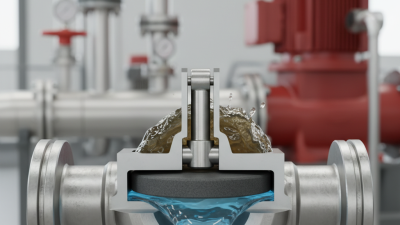
Choosing the right mechanical valve for global sourcing is more than comparing prices or catalog photographs. A valve may look suitable on paper, yet fail when pressure, temperature, corrosion, or maintenance conditions change. Process engineers must connect the valve design with the actual service environment.
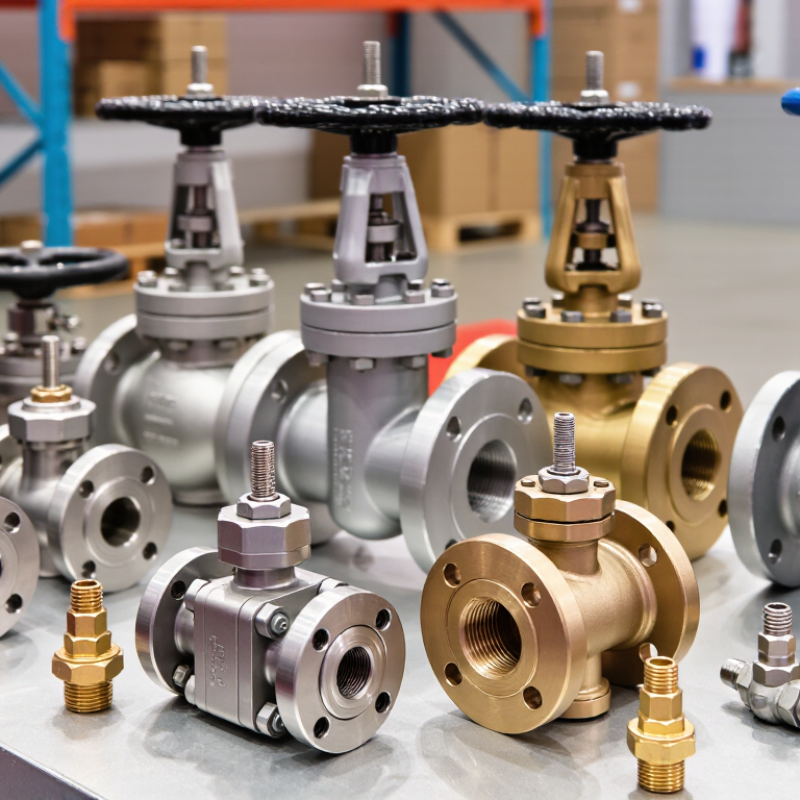
Philip L. Skousen, author of Valve Handbook, describes a valve as “a mechanical device that controls the flow of fluid and pressure within a process or system.” That simple definition carries serious purchasing implications. Buyers should examine valve type, body material, seat material, pressure class, end connection, actuator compatibility, and expected cycle frequency. A stainless steel ball valve may perform well with clean water, but abrasive slurry can demand a different seat and stronger internal components.
Details matter.
Global sourcing also requires evidence, not confident promises. Request dimensional drawings, material certificates, pressure-test records, traceability documents, and clear inspection procedures. Confirm relevant standards with qualified engineers and verify that the supplier can maintain consistent quality across production batches. Factory audits can reveal practical weaknesses, such as poor storage, mixed materials, or incomplete final testing.
Cost remains important, but the cheapest mechanical valve can become expensive after leakage, downtime, or replacement. I have seen specifications treated as perfect, although they often contain assumptions that deserve review. No checklist is flawless. A better decision comes from questioning those assumptions, comparing realistic operating conditions, and selecting a supplier whose technical support remains available after shipment.
Choosing a mechanical valve for global sourcing starts with duty, not price. ASME B16.34 defines pressure-temperature ratings, not a universal working pressure. For carbon steel at 100°F, its published values are approximately 285 psi for Class 150, 740 psi for Class 300, and 1,480 psi for Class 600. Classes 900, 1500, and 2500 reach about 2,220, 3,705, and 6,170 psi. Verify the material group and edition. Temperature reduces these ratings.
Media changes the decision quickly. Steam, sour gas, oxygen, seawater, and abrasive slurry require different body, trim, seat, and packing choices. I have seen procurement teams specify only “stainless steel.” That is not enough. Chlorides can attack some alloys, while solids can damage soft seats. Record concentration, viscosity, particle size, pressure drop, and minimum temperature. A neat spreadsheet can still be wrong.
Cv must match the real operating window. ISA-75.01.01 and IEC 60534-2-1 provide accepted sizing equations for liquid and gas flow. Do not size from nominal pipe diameter alone. Calculate normal, minimum, and maximum flow. Check cavitation, choking, noise, and actuator torque. A valve operating almost closed may waste energy and control poorly. One operating nearly fully open may lack reserve capacity. Cite the exact ASME B16.34 and ISA calculation editions in the sourcing package, then request material certificates and pressure-test records.
Selecting the valve by price alone is a costly sourcing habit. Mordor Intelligence estimates the industrial valves market at about USD 78.6 billion in 2024, with continued growth through 2029. That scale reflects diverse service conditions, not one universal valve design.
Use ball valves for tight shutoff and frequent isolation. Their quarter-turn action suits fuel, water, and compressed-air lines. Gate valves fit fully open or fully closed service, especially where low pressure loss matters. They should not regulate flow. Globe valves offer better throttling control, but their longer flow path increases resistance. Check valves prevent reverse flow after pumps, compressors, or elevated tanks. A butterfly valve is often practical for large-diameter water and air pipelines because it is compact and relatively light.
A valve schedule should record medium, temperature, pressure class, pipe size, seat material, body material, and actuator requirements. API 598 testing guidance and ASME B16.34 design requirements can support a more reliable technical review. In procurement audits, I also compare pressure-drop data, cycle frequency, spare-part access, and inspection records. A neat selection chart can still mislead. Dirty fluid may damage a soft seat. High cycling may expose a weak actuator. The Global Industrial Valve Market report by Fortune Business Insights identifies oil and gas, water treatment, and power generation as major demand sectors, but sector labels do not replace process data. That is where sourcing teams sometimes overgeneralize. Verify the real service conditions before approving substitutions.
How to Choose the Right Mechanical Valve for Global Sourcing
Sour service changes valve selection from a catalog exercise into a materials decision. ASTM grades define chemistry, strength, and manufacturing requirements, but they do not automatically confirm resistance to hydrogen sulfide cracking. For example, ASTM A216 WCB may suit many general applications, yet it needs separate evaluation under NACE MR0175/ISO 15156. That standard addresses cracking risks in oil and gas production environments containing H2S. It considers material type, hardness, heat treatment, partial pressure, temperature, and chloride exposure.
The NACE IMPACT study estimated global corrosion costs at about 2.5 trillion US dollars annually, equal to nearly 3.4% of global GDP. That figure supports disciplined material verification, not cheaper purchasing alone. Ask suppliers for mill certificates, heat-treatment records, hardness results, and traceability from body to trim. Austenitic stainless steel, duplex stainless steel, and nickel alloys may offer better performance, but each has limits. A familiar grade can still fail when welding, cold work, or service conditions are poorly controlled. I have seen technically correct purchase orders become risky because the sour-service clause was vague.
Tips: Write the actual H2S conditions into the inquiry. Include pressure, temperature, chlorides, water presence, and planned hardness limits. Confirm whether the valve is covered by the selected ISO 15156 material category. Require independent document review for critical lines. Do not accept “NACE compliant” without supporting records. One detail is often missing. That detail matters.
When sourcing mechanical valves globally, API 598 testing and ISO 5208 leakage classes deserve close attention. They reveal whether a valve can hold pressure reliably, not merely whether its body looks well finished.
API 598 commonly covers shell, seat, and backseat tests, where applicable. The test medium, pressure, duration, and allowable leakage must match the valve type and size. Ask for a complete test report. It should identify the valve, test pressure, gauge details, calibration status, and observed leakage. A certificate without traceable records is weak evidence.
ISO 5208 defines leakage rates for pressure testing, but its classes should not be treated as automatic equivalents to API 598 acceptance criteria. Confirm the required rate in the purchase specification. Rate A may demand no visible leakage, while other rates permit controlled leakage under defined conditions. Check the test direction too. Some valves seal differently with forward and reverse pressure.
In practice, I review the test setup as carefully as the result. Water temperature, seating time, valve position, and line cleanliness can affect observations. Small details matter. I once overlooked a reporting gap involving test duration; the measured result looked acceptable, but the evidence was incomplete. That mistake still influences my sourcing checks. Independent witnessing can add confidence, especially for critical service or unfamiliar suppliers. No checklist is perfect.
Choosing a mechanical valve for global sourcing requires more than comparing unit prices. Supplier qualification should begin with ISO 9001 evidence, including controlled procedures, inspection records, nonconformance handling, and employee training. Ask to see recent audit results. Paperwork is not proof.
For pipeline service, confirm whether the supplier’s API 6D or ISO 14313 certification covers the exact valve type, pressure class, size range, and manufacturing site. The certificate scope matters. Review material certificates, heat-number traceability, hydrostatic test reports, and final inspection records. A factory visit can reveal practical details, such as poor storage, unclear calibration labels, or incomplete test equipment. These small issues may become expensive failures.
Lead time should be verified against production capacity, not optimistic sales promises. Request a manufacturing schedule with material ordering, machining, assembly, testing, and dispatch dates. I would also compare total cost of ownership, including inspection, packaging, spare parts, freight, duties, installation, and possible downtime. The cheapest quotation can become costly after one delayed shipment. Still, forecasts are imperfect. Demand changes, raw materials fluctuate, and even qualified suppliers can miss dates. Build realistic contingency time, define communication checkpoints, and record every assumption before issuing the purchase order.
| Evaluation Dimension | Recommended Requirement | Evidence to Request | Typical Acceptance Benchmark | Commercial and Technical Impact | Assessment |
|---|---|---|---|---|---|
| Quality management system | Supplier operates a documented quality management system suitable for valve design, manufacturing, inspection, and delivery. | Current ISO 9001 certificate, certification scope, issuing body, expiry date, and latest surveillance-audit status. | Certificate is valid and the scope covers the relevant manufacturing or service activities; certificate details can be independently verified. | Reduces process variation, improves corrective-action control, and provides a structured basis for supplier audits. | Required |
| Pipeline valve standard | For applicable pipeline ball, gate, globe, and check valves, supplier demonstrates conformity with API 6D or ISO 14313 as specified in the purchase order. | Product datasheets, design basis, standard edition, type-test records, inspection and test plan, and declaration of conformity. | Valve design, testing, marking, documentation, and pressure-boundary requirements align with the specified edition and service conditions. | Supports technical acceptance for pipeline applications and reduces the risk of nonconforming documentation or test scope. | Required where applicable |
| Pressure class and end connection | Pressure rating, nominal size, face-to-face dimension, flange or butt-weld end, and applicable dimensional standards match the project specification. | Approved drawing, pressure-temperature rating table, flange drilling details, material specification, and dimensional inspection report. | All dimensions and ratings match the approved design before production release; no substitutions are made without written approval. | Prevents installation delays, field modification, leakage risk, and costly rework at the destination site. | Required |
| Body and trim materials | Materials are selected for pressure, temperature, corrosion, fluid compatibility, and sour-service requirements where relevant. | Material certificates, heat numbers, chemical and mechanical test results, traceability records, and sour-service compliance evidence if specified. | Material grade, heat treatment, hardness, and traceability satisfy the purchase specification and applicable standard. | Material compatibility directly affects service life, safety, maintenance frequency, and total cost of ownership. | Required |
| Pressure and functional testing | Testing covers shell strength, seat tightness, operational function, and any project-specific low-temperature, fugitive-emission, or fire-safe requirements. | Approved test procedure, calibrated-gauge records, pressure-test charts, seat-leakage results, functional-test records, and final inspection report. | Test results meet the applicable standard and purchase specification; instruments are within calibration at the time of testing. | Provides objective release evidence and lowers the probability of early leakage, failure, or site rejection. | Required |
| Traceability and documentation | Every pressure-containing component is traceable from material receipt through machining, assembly, testing, and final shipment. | Material certificates, manufacturing record book index, inspection release note, nonconformance reports, calibration certificates, and nameplate photographs. | Documentation is complete, legible, internally consistent, and submitted according to the agreed document schedule. | Strong documentation accelerates customs clearance, client approval, commissioning, warranty review, and future maintenance. | Required |
| Supplier manufacturing capacity | Capacity is sufficient for the required valve sizes, pressure classes, quantities, testing, coating, packing, and documentation workload. | Production plan, machine and test-facility list, current order loading, subcontractor controls, and evidence of capacity for peak periods. | Supplier can reserve production slots and identify long-lead components before purchase-order approval. | Capacity visibility reduces schedule slippage caused by overloaded factories or uncontrolled subcontracting. | Recommended |
| Indicative manufacturing lead time | Lead time is measured from approved drawings, cleared technical queries, and receipt of the agreed advance or payment milestone. | Written lead-time commitment, manufacturing schedule, milestone dates, and a list of buyer approvals required before production. | Use the supplier's confirmed schedule for the specific size, class, material, quantity, and testing scope; generic catalog lead times are not sufficient. | Clear starting conditions prevent disputes and make the quoted delivery date commercially meaningful. | Required |
| Logistics and delivery risk | Supplier provides a shipment plan covering export packing, shipping documents, Incoterms, freight mode, and destination requirements. | Packing specification, commercial invoice, packing list, certificate of origin where required, transport plan, and estimated transit time. | Delivery date includes manufacturing, inspection release, packing, export handling, and realistic transit time. | Reduces damage, customs delays, demurrage, and uncertainty in project-site planning. | Recommended |
| Technical support and communication | Supplier can respond to technical queries, manage revisions, and provide inspection support across time zones and languages required by the project. | Named technical contact, response-time commitment, document-control procedure, escalation path, and remote or third-party inspection support. | Technical queries receive a documented response within the agreed service level, with revision-controlled drawings and procedures. | Fast, controlled communication reduces approval cycles and prevents production based on obsolete information. | Recommended |
| Warranty and after-sales support | Commercial terms define warranty coverage, exclusions, response time, spare-parts availability, and responsibility for verified defects. | Warranty clause, claims procedure, recommended spare-parts list, service contact, and replacement or repair process. | Warranty period and remedies are explicit, measurable, and consistent with the project contract. | Well-defined support limits downtime and clarifies the financial exposure of post-delivery failures. | Recommended |
| Total cost of ownership | Evaluate more than the purchase price: acquisition, inspection, freight, duties, installation, operation, maintenance, spare parts, downtime, and disposal. | Itemized quotation, maintenance assumptions, spare-parts pricing, estimated service intervals, energy or actuation data where applicable, and warranty terms. | Compare suppliers using the same technical scope, delivery basis, currency, taxes, inspection level, and service-life assumptions. | A lower purchase price may be outweighed by higher leakage risk, shorter service life, maintenance cost, or project delay. | Required |
| TCO calculation structure | Use a consistent calculation model for each technically acceptable offer. | Cost model with the following formula: TCO = Purchase Price + Inspection + Freight and Duties + Installation + Maintenance + Spares + Downtime Risk − Residual Value. | All assumptions are documented, quantified where possible, and reviewed by procurement, engineering, quality, and operations. | Creates an auditable sourcing decision and avoids selecting a supplier solely on unit price. | Verify before award |
| Supplier audit and prequalification score | Use a weighted scorecard after document review and, for critical valves, a remote or on-site audit. | Completed questionnaire, audit report, corrective-action plan, reference-project evidence without relying solely on marketing claims, and approved-vendor status. | Recommended weighting: technical compliance 30%, quality and documentation 25%, delivery capability 20%, TCO 15%, service and communication 10%. | Combines technical, quality, schedule, and commercial factors into a transparent award recommendation. | Verify before award |