In the realm of industrial applications, selecting the right equipment is crucial. A mechanical valve stands out for numerous reasons. These valves offer reliability and durability in demanding environments. They are designed to handle high pressure and temperature, making them suitable for various industries.
Mechanical valves excel in providing precise control over flow rates. Operators can depend on them for consistent performance. The simple design often leads to easier maintenance and lower costs. However, it is essential to consider specific requirements before making a choice.
While mechanical valves are generally reliable, they are not without flaws. Some may experience wear over time, affecting their efficiency. Users must regularly inspect and maintain them for optimal performance. Understanding both the strengths and weaknesses is vital when integrating mechanical valves into industrial systems.
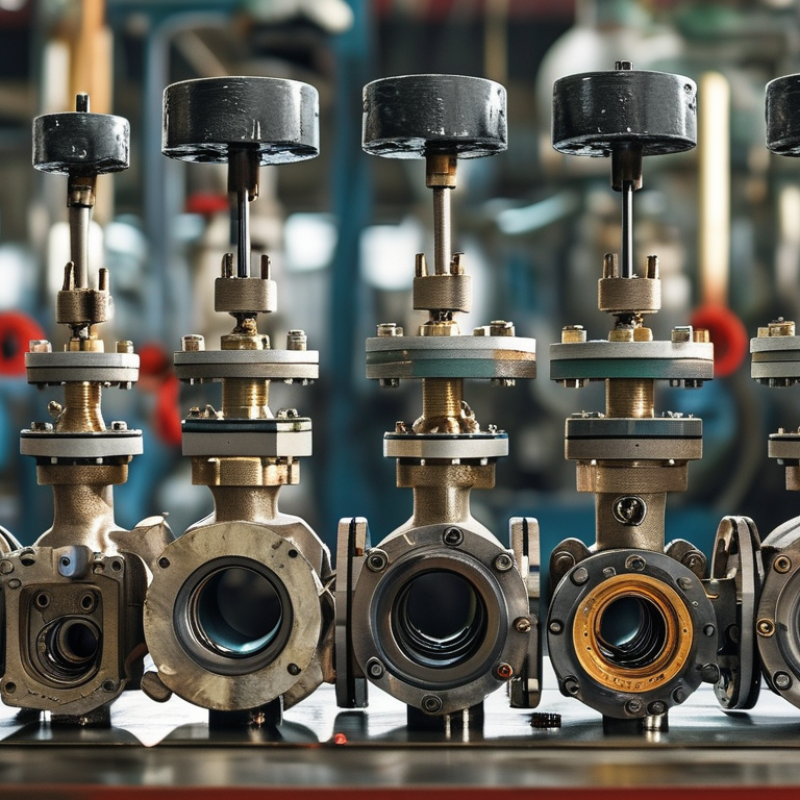
Mechanical valves are essential for a variety of industrial applications. Their design provides durability and reliability in harsh environments. According to a report from MarketsandMarkets, the global industrial valve market is expected to reach USD 103.2 billion by 2025, driven significantly by mechanical valve adoption.
These valves deliver precise control within processes. They can handle high pressure and temperature, making them ideal for industries like oil and gas. A study from Research and Markets highlights that mechanical valves can reduce leak rates by up to 50% compared to other valve types. Reduced leakage translates to improved safety and cost savings.
Maintenance can be a challenge, yet it is crucial. Neglecting valve upkeep may result in operational inefficiencies. Regular inspection can extend the lifespan significantly. Some industries might struggle with this, particularly in remote locations. The balance between reliability and maintenance should guide choices in valve selection. Overall, mechanical valves play a vital role in enhancing industrial operations.
Mechanical valves play a crucial role in various industrial applications. They regulate flow, control pressure, and maintain safety. Understanding the types of mechanical valves can help you make informed decisions for your projects.
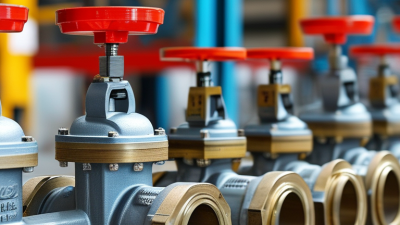
Gate valves are widely used in pipelines. Their design allows for a straight flow path, minimizing pressure drop. These valves are effective for on/off control but not suitable for throttling. Ball valves offer tight sealing and quick action; they can handle high pressure and temperature. They are ideal for liquefied gas applications. Then there are globe valves, which allow precise flow regulation. Their intricate design may lead to higher pressure loss compared to gate valves.
Each valve type has its advantages and drawbacks. For instance, while ball valves are reliable, they can be more expensive. Globe valves might not perform well in high-flow applications. Assessing your specific needs is necessary. The right choice impacts overall efficiency and maintenance in the long run. Consider consulting a specialist for tailored advice.
When selecting mechanical valves for industrial applications, several critical factors should guide your decision. Start with the type of fluid you will be controlling. Different fluids require different materials for durability. For instance, corrosive substances may necessitate specific alloys to prevent degradation. The pressure and temperature ranges the valve must endure are also paramount. Ensure the valve you choose can handle extreme conditions without failure.
Another key consideration is the valve’s size and compatibility with existing systems. A valve that doesn’t fit properly can lead to leaks or system inefficiencies. Accurate measurements are essential. Additionally, assess the maintenance requirements. Some valves may demand frequent servicing, which can result in downtime and increased costs.
Consider these factors to make an informed choice. Evaluate your specific needs carefully. Always consult with an expert if necessary. Keep your operational goals in mind. The right mechanical valve can enhance efficiency and ensure safety. Quality matters greatly; prioritize durable options to minimize long-term costs and enhance reliability.
This chart illustrates the importance of various factors when choosing mechanical valves for industrial applications. Durability and performance rate the highest, indicating that these are critical considerations for users looking to invest in reliable and efficient mechanical valves.
Mechanical valves are essential in many industrial applications due to their remarkable durability and efficiency. These valves are often made from robust materials, allowing them to withstand extreme pressures and temperatures. Regular maintenance is crucial for their longevity. Operators must inspect seals and components frequently. This can prevent costly failures and operational downtime.
Despite their toughness, mechanical valves are not infallible. Common wear and tear can occur, leading to leaks or reduced performance. Identifying these issues early is vital. Operators should be proactive, establishing a routine check-up schedule. Additionally, having spare parts on hand can be beneficial when immediate repairs are necessary.
In certain situations, complex troubleshooting could be a challenge. Mechanical valves may require specialized knowledge for repairs. It's important to invest in proper training for maintenance staff. Understanding valve operation and maintenance can lead to better decision-making and efficiency. Engaging with various mechanical systems can enhance expertise, leading to improved industrial outcomes.
Mechanical valves offer an appealing choice for various industries, especially when considering cost-effectiveness. The initial investment may be lower compared to electronic systems. Maintenance costs are often reduced as well. Mechanical valves are simpler in design, which can lead to fewer breakdowns. This reliability makes them an attractive option for tight budgets.
Another significant factor is energy efficiency. Mechanical valves do not require electricity to operate. This feature can lead to substantial savings in operational costs over time. In industries where energy consumption is a concern, this can have a noticeable impact. The longevity of these valves is often underestimated; they can last for years with minimal wear.
However, it's essential to recognize the potential drawbacks. Mechanical valves may not offer the same precision as their electronic counterparts. Variability in performance can occur in harsh environments. Regular checks are necessary to ensure they function correctly. Such considerations are vital in decision-making processes. Balancing cost and reliability is key to finding the right solution for specific industrial needs.