How to Choose the Right Lever Valve in 2026?
Choosing the right lever valve in 2026 requires more than comparing price, size, and delivery time. The decision affects flow control, operator safety, maintenance effort, and production reliability. Grand View Research estimates that the global industrial valves market reached USD 77.4 billion in 2023. It also forecasts continued growth through 2030. MarketsandMarkets projects the market will grow from about USD 78.7 billion in 2024 to USD 96.2 billion by 2029. These figures show strong demand, but they do not identify the right valve for every installation.
A lever valve may look simple on a stainless-steel pipe. Its handle still controls a critical process. Media type, pressure, temperature, port design, sealing material, and cycling frequency must match the application. R. W. Zappe, author of Valve Selection Handbook, states, “The basic function of a valve is to control the flow of fluid.” That principle remains practical in 2026. However, selection should also consider emergency shutoff access, corrosion exposure, actuator clearance, and replacement availability. A compact quarter-turn lever can work well in a water line. It may fail prematurely with abrasive slurry or aggressive chemicals.
The most expensive mistake is often a confident assumption. Product sheets can hide important limits. Forecasts can also encourage overconfidence. This guide compares specifications, operating conditions, certification needs, and real maintenance experience. It will help readers choose a lever valve based on evidence rather than appearance. Some applications still require an engineer’s review. That is not a weakness. It is good practice.
What Is a Lever Valve and How Does It Work?
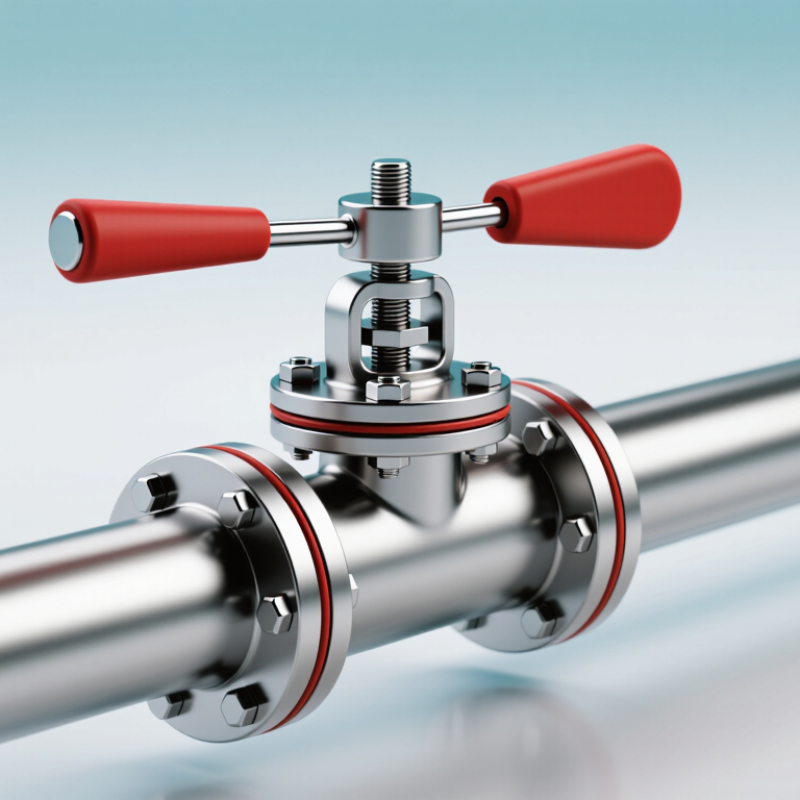
A lever valve is a manually operated device that controls liquid, gas, or air flow. It uses a handle connected to an internal closing element. Moving the handle changes the passage through the valve. Quarter-turn designs often open or close with a 90-degree movement. Ball, plug, and butterfly valves commonly use this mechanism. The lever is only the actuator, not the valve body. Its position gives a quick visual indication of flow status. Clear status matters.
Choosing the right lever valve in 2026 starts with the working conditions. Check the medium, operating pressure, temperature, connection size, and required flow rate. Material compatibility is essential because unsuitable seals may swell, harden, or leak. A valve for clean water may fail in chemical service. Do not rely on appearance alone. A stainless body does not guarantee suitable internal seals. In a workshop, I check the rating plate before installation and compare it with the pipe system. That small step prevents expensive mistakes.
Handle movement should feel firm, not gritty or unusually loose. Noise or vibration can signal poor alignment, excessive pressure, or internal wear. For outdoor systems, consider corrosion protection and accidental handle movement. Lockable handles can help control access where safety procedures require it. Digital maintenance tags may also record inspection dates, but they cannot replace a physical check. I once treated a slow leak as minor; it later exposed a damaged seal. That experience changed my inspection routine. Some choices still require judgment, especially when temperature changes sharply or the fluid contains suspended particles.
How to Choose the Right Lever Valve in 2026?
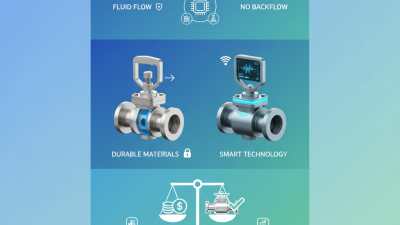
A lever valve uses a quarter-turn handle to rotate its internal closure element, making it suitable for fast manual isolation. The chart compares typical maximum ASME pressure classes commonly available in manual-lever configurations. Actual ratings depend on valve size, body material, sealing material, temperature, and the applicable standard.
Ball valves are commonly selected for tight shutoff and compact quarter-turn operation. Butterfly valves are often preferred for larger pipe sizes and lower weight, while plug valves can provide robust isolation in demanding services. Always verify the pressure-temperature rating and application requirements before selection.
Define the Required Valve Function and Operating Conditions
How to Choose the Right Lever Valve in 2026?
Define the required valve function before comparing materials, sizes, or prices. A lever valve usually provides fast isolation, but it may not control flow accurately. Confirm whether the line needs shutoff, throttling, draining, or flow diversion. Then identify the medium, pressure, temperature, flow rate, and operating frequency. Water, compressed air, steam, and abrasive slurry demand different sealing and body materials. Small details matter. Check the pipe connection, installation space, handle clearance, and required operating torque.
Operating conditions should reflect real use, not only catalog values. UNESCO’s World Water Development Report 2024 states that agriculture represents about 70% of global freshwater withdrawals. Irrigation valves therefore face repeated cycles, outdoor exposure, and sediment risks. A valve for this service needs suitable corrosion resistance and easy inspection access. The U.S. Department of Energy reports that compressed-air leaks can waste 20–30% of compressor output. In these systems, poor sealing becomes an energy issue, not merely a maintenance problem.
Field teams often discover that the first valve selection was too optimistic. Pressure spikes, temperature changes, and infrequent operation can expose weak assumptions. Leave a practical safety margin, but avoid excessive sizing. An oversized valve may increase cost and reduce handling comfort. Verify leakage requirements against ISO 5208 or the applicable engineering specification. Record the actual media and cycle conditions. Guesswork remains common. It should not be.
Compare Valve Materials, Sizes, Ports, and Pressure Ratings
How to Choose the Right Lever Valve in 2026?
Selecting a lever valve starts with the fluid, temperature, and installation environment. Stainless steel suits corrosive service, while brass works well in many general water and air systems. Reinforced polymer can reduce weight, but it may lose strength at elevated temperatures. Material compatibility matters more than appearance.
Size the valve according to the pipe and required flow, not the handle’s dimensions. A full-port valve usually creates less restriction than a reduced-port design. Check whether the connection uses NPT, BSP, flange, or another port standard. Threads can look similar and still fail to seal correctly. Measure twice.
Pressure ratings require careful reading. Confirm the working pressure at the actual operating temperature, not only the catalog maximum. Repeated cycling, vibration, and water hammer can shorten service life. In field inspections, I have seen oversized valves installed where a smaller valve would have controlled flow better. That choice added cost and unnecessary weight. I still double-check every specification sheet because a simple assumption can become an expensive mistake. Select a valve with a practical safety margin, while avoiding an inflated rating that does not match the system.
Select the Actuation Style, Seal Type, and Maintenance Features
How to Choose the Right Lever Valve in 2026?
Choosing a lever valve starts with the movement operators can perform safely. A quarter-turn handle suits quick isolation and clear visual positioning. For frequent cycling, consider a geared or assisted actuator. It reduces hand force, but adds parts requiring inspection. Do not select by torque alone. I once underestimated glove thickness on a cold installation. The handle worked, yet control felt awkward during testing.
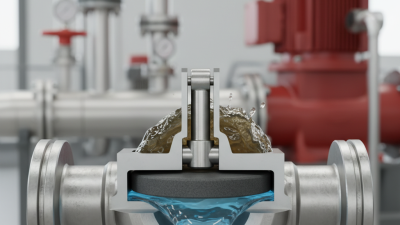
Seal selection depends on fluid chemistry, temperature, pressure, and cycling frequency. Elastomer seals suit many general services, while reinforced materials handle harsher conditions. Check compatibility data, not just a familiar material name. A seal can survive static pressure and still fail quickly under abrasive particles. For steam, solvents, or rapid temperature changes, verify ratings with a qualified engineer. Small details matter. Avoid assuming one seal fits every line.
Maintenance features should be visible, reachable, and simple to document. A lockable handle helps prevent unintended operation during service. Replaceable seals may reduce downtime where line access is difficult. Drain ports, position indicators, and corrosion-resistant fasteners improve field checks. Ask how the valve will be isolated, cleaned, and inspected after installation. Record torque readings and seal changes in the maintenance log. This step is often skipped. That omission can hide gradual wear until the valve becomes difficult to operate.
Verify Compatibility, Safety Standards, and Installation Requirements
Choosing the right lever valve in 2026 starts with compatibility, not appearance. Confirm the fluid, operating temperature, pressure range, connection type, and pipe material. A valve suitable for clean water may fail with corrosive chemicals or abrasive liquids. Check the technical datasheet carefully. Small differences in thread size can cause serious leaks.
Safety standards also deserve close attention. Select a valve tested for the intended service and marked with traceable material and pressure information. Review applicable local codes, workplace rules, and inspection requirements before purchase. In my experience, installers often focus on the valve body but overlook handle clearance. A blocked handle can delay emergency shutoff. That detail is easy to miss.
Tips:
Measure twice before ordering. Clean pipe threads and use a compatible sealing method. Do not force misaligned connections. Install the valve where the handle remains visible and reachable. Follow the manufacturer’s torque and orientation guidance. After installation, open the valve gradually and perform a controlled leak test. Recheck every joint after the system reaches normal pressure. I once underestimated thermal movement near a hot line, and the connection loosened later. That mistake reinforced the value of checking the complete installation, not only the valve itself. When uncertainty remains, ask a qualified technician to verify the design and test results.