China Top Flow Valves Manufacturers How to Choose?

Choosing among China’s top flow valves manufacturers requires more than comparing catalog prices. The right supplier must understand your process, media, pressure, temperature, and maintenance conditions. A valve that performs well in clean water may fail quickly in abrasive slurry or corrosive chemicals. That difference matters.

Valve-selection author Richard W. Greene offers a practical principle: “The valve must be selected for the service, not merely for the line size.” Buyers should therefore examine flow capacity, Cv data, body materials, seal compatibility, pressure ratings, and actuator performance. Ask for inspection records, hydrostatic test results, material certificates, and documented quality procedures. Factory audits and sample testing can reveal more than polished brochures.

Look closely at manufacturing experience. Does the supplier produce control valves, ball valves, butterfly valves, or specialized flow valves? Can its engineers explain pressure drop without vague promises? Can the company support spare parts and troubleshooting after delivery? These questions expose weak suppliers.

The process is not perfectly simple. A low quotation may hide limited testing or expensive maintenance later. Even experienced purchasers can overlook temperature cycling, installation space, or unstable flow conditions. That mistake is costly.

Reliable manufacturers should provide traceable documentation, responsive technical communication, and evidence from comparable projects. Certifications help, but they do not replace engineering judgment. China offers many capable producers, yet quality varies between factories. Careful verification remains essential. This guide examines the practical factors buyers should assess before selecting a dependable flow valves manufacturer.
China Top Flow Valves Manufacturers How to Choose?

What Are Flow Valves and Why Do They Matter in China’s Industrial Market?

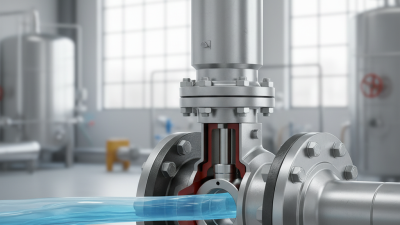
Flow valves control the movement, pressure, and direction of liquids or gases inside industrial pipelines. They may look simple, but a small sizing error can disturb an entire production line. In China’s industrial market, valves support water treatment, chemical processing, power generation, food production, and machinery manufacturing. Their performance affects safety, energy use, product quality, and maintenance costs.

A reliable selection process begins with operating details. Check the medium, temperature, pressure, flow rate, pipe size, and switching frequency. Stainless steel may suit corrosive liquids, while other materials can perform better in less demanding systems. A professional manufacturer should provide material certificates, pressure-test records, dimensional drawings, and clear quality procedures. Traceable inspection matters when a valve fails months later. It helps engineers identify the cause instead of guessing.

Factory capability also deserves close attention. Review machining accuracy, assembly controls, testing equipment, and after-sales response. Ask whether production staff understand international technical requirements, not only domestic purchasing habits. No supplier is perfect, and a polished catalog proves little. A factory tour or video inspection may reveal poor storage, inconsistent labeling, or weak final testing. Even experienced buyers can overlook actuator compatibility or installation space. That mistake is expensive. A practical quotation should explain lead time, spare parts, warranty terms, and inspection responsibilities before production begins.

Which Types of Flow Valves Do Chinese Manufacturers Produce?

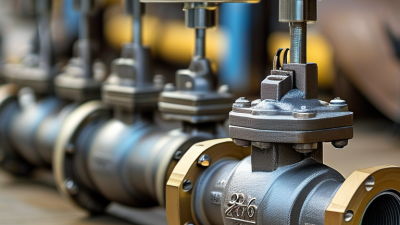
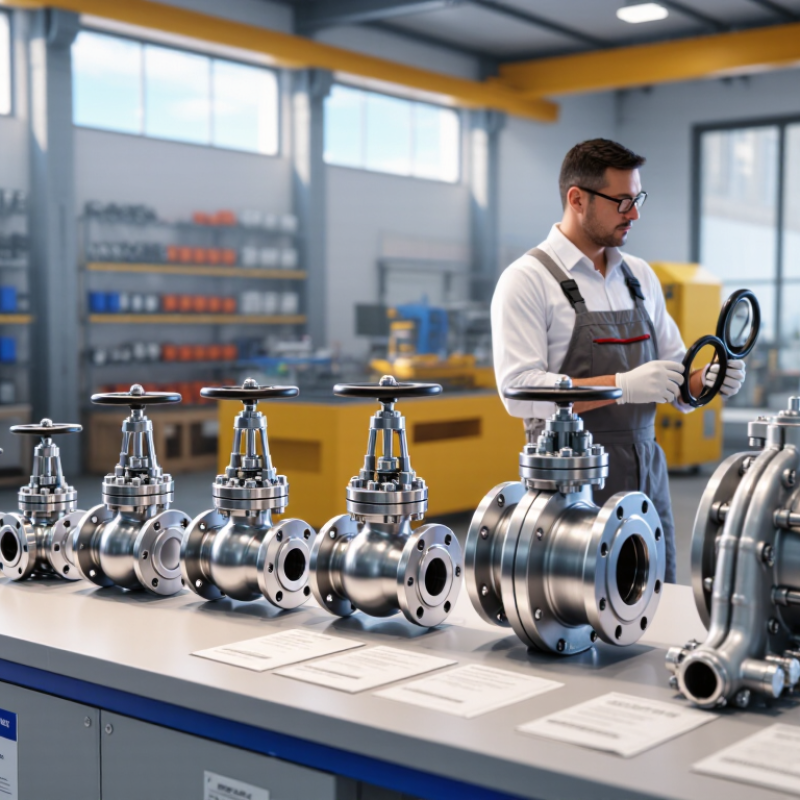
Chinese flow valve manufacturers produce a broad range of designs for water, chemical, energy, food, and industrial automation systems. Common options include ball, butterfly, gate, globe, check, plug, diaphragm, and needle valves. Many factories also supply pneumatic or electric actuated control valves.

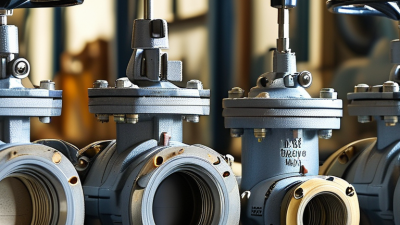
Ball valves provide quick shutoff with a quarter-turn handle. Butterfly valves save space in large pipelines. Gate valves suit fully open or closed service, while globe valves offer better throttling control.

Flow protection Check valves prevent reverse flow without external power. That small detail matters in pump discharge lines.

According to Grand View Research, the global industrial valves market reached about USD 78 billion in 2023. Its analysis identifies rising automation and process efficiency as major demand drivers. The International Energy Agency also reports continued investment in natural gas, water, and low-carbon infrastructure, where dependable flow control remains essential. These figures support China’s wide production range, but market size does not prove product quality.

In practical sourcing, buyers should check pressure class, temperature range, body material, sealing method, and test documentation. A stainless-steel diaphragm valve may fit a hygienic process, but it can be unsuitable for abrasive slurry. Selection is not always obvious. Some catalog descriptions remain too general, so independent inspection, sample testing, and traceable certificates deserve attention before bulk purchasing.

How to Evaluate China’s Flow Valve Manufacturing Capabilities

Choosing China’s top flow valve manufacturers requires more than comparing prices or polished factory photos. Evaluate their actual manufacturing capabilities. Check machining accuracy, casting quality, welding control, and assembly consistency. Ask for material certificates, pressure-test records, and calibration reports. Reliable manufacturers can explain valve design, flow rates, pressure classes, and temperature limits clearly. They should also provide traceability from raw materials to final inspection.

A factory audit can reveal useful details. Observe storage conditions, measurement equipment, production records, and testing procedures. Request sample valves for dimensional checks and operational testing. Review their experience with similar media, pipeline sizes, and operating pressures. International certifications may help, but certificates alone are not enough. Test evidence matters. A clean workshop can still hide weak process control. I have learned that response speed is also important, especially when engineers answer technical questions without vague promises. Some manufacturers may offer impressive documentation but lack stable production capacity. That possibility deserves attention.

Tips: Compare at least three suppliers using the same technical checklist. Verify inspection data independently when possible. Ask how they handle rejected parts, design changes, and emergency replacements. Check whether spare parts remain available after production. Do not judge capability from price alone. A lower quote may reflect thinner materials, limited testing, or unclear service terms. Leave room for doubt, and inspect the details that sales presentations often overlook.

What Quality, Certification, and Testing Standards Should You Check?

China Top Flow Valves Manufacturers: How to Choose?

When evaluating flow valve manufacturers, inspect quality systems before comparing prices. A valid ISO 9001 certificate shows controlled processes, but it does not guarantee every valve performs well. Check the certificate scope, issuing body, expiry date, and manufacturing location. Ask whether production records match the actual factory you plan to audit. A certificate alone proves little.

Testing standards should match the valve’s service conditions. ISO 5208 is commonly used for pressure and leakage testing. Pipeline projects may require API 6D, while ASME B16.34 can apply to industrial valves. Confirm the required standard with your engineer and project specification. Do not accept a general compliance statement. Request shell, seat, and functional test reports for the exact valve batch.

Material traceability deserves close attention. Reliable factories can provide heat numbers, inspection records, and positive material identification results. For harsh service, review fire-safe, cryogenic, fugitive-emission, or corrosion tests when applicable. Check whether testing uses calibrated equipment and independent inspectors.

Photos help, but witnessed tests provide stronger evidence. I have seen polished reports hide weak documentation. That is easy to miss. Factory audits can reveal poor storage, unclear labeling, or incomplete records. Even experienced buyers sometimes overtrust familiar certificates. Verify each claim against the valve design, test method, and intended operating conditions.

How to Choose the Right China Flow Valve Manufacturer for Your Needs

Choosing the right China flow valve manufacturer requires more than comparing prices. Start with your operating conditions, including fluid type, pressure, temperature, pipe size, and required flow rate. A manufacturer should recommend materials and valve designs based on these details, not a generic catalog.

Ask for technical drawings, pressure test records, material certificates, and inspection procedures. Reliable manufacturers usually explain how each valve is tested before shipment. Request samples when practical. Check machining quality, sealing surfaces, actuator response, and labeling. Small details matter. A rough flange face can create costly installation problems.

Factory experience also deserves careful review. Examine production equipment, quality controls, engineering staff, and after-sales support. Ask how the supplier handles dimensional errors, replacement parts, and delivery delays. Clear answers are valuable evidence. Communication quality is part of technical reliability.

Do not judge capability from polished photographs alone. A factory may look impressive but lack consistent process control. I once focused too heavily on a low quotation and overlooked slow technical replies. That decision created avoidable pressure during installation. I would now request references from similar applications and confirm production lead times in writing. Flexible customization helps, but excessive modification can increase risk and cost. The best choice is a manufacturer that understands your system, documents its work, and admits limitations when a request falls outside its expertise.

How to Choose the Right China Flow Valve Manufacturer

The chart presents a practical procurement weighting model for evaluating flow valve manufacturers in China. Product quality and pressure-control performance should receive the highest priority, followed by relevant certifications, manufacturing capability, testing traceability, delivery reliability, and lifecycle support. Buyers should verify each criterion through technical documents, factory audits, sample testing, and references for comparable applications.