Global buyers are asking a sharper question: which butterfly valves deliver dependable control, safe isolation, and reasonable lifecycle cost?
Market estimates show why this decision matters. Grand View Research valued the global butterfly valve market at approximately USD 9.5 billion in 2023. MarketsandMarkets projects continued expansion through 2029, driven by water treatment, chemicals, energy, and industrial processing. The estimates differ. That difference deserves attention, because market boundaries and valve categories are not always defined consistently.
Peter Smith, author of Valve Selection Handbook, offers a practical warning: “Valve selection must follow process conditions, not pipe size alone.” That principle guides this comparison. The right valve depends on pressure class, temperature, media, seat material, actuation, and maintenance access. A resilient-seated valve may suit municipal water. A high-performance butterfly valve may better fit repeated throttling. Severe chemical service demands deeper material review.
Real purchasing experience also exposes overlooked details. A DN300 valve can look attractive on price, yet its actuator may lack sufficient closing torque. A poorly matched elastomer can swell, crack, or contaminate the process. Small errors matter. Global buyers should compare certifications, factory testing, spare-part availability, warranty terms, and technical support before comparing quotations.
This guide evaluates leading butterfly valves through those practical criteria. It also questions popular assumptions. A famous brand is not automatically the best choice. Lower purchase cost can create higher downtime. Reported performance may also depend on installation quality, not the valve alone. The strongest selection balances verified data, field experience, compliance requirements, and the actual conditions inside the pipeline.
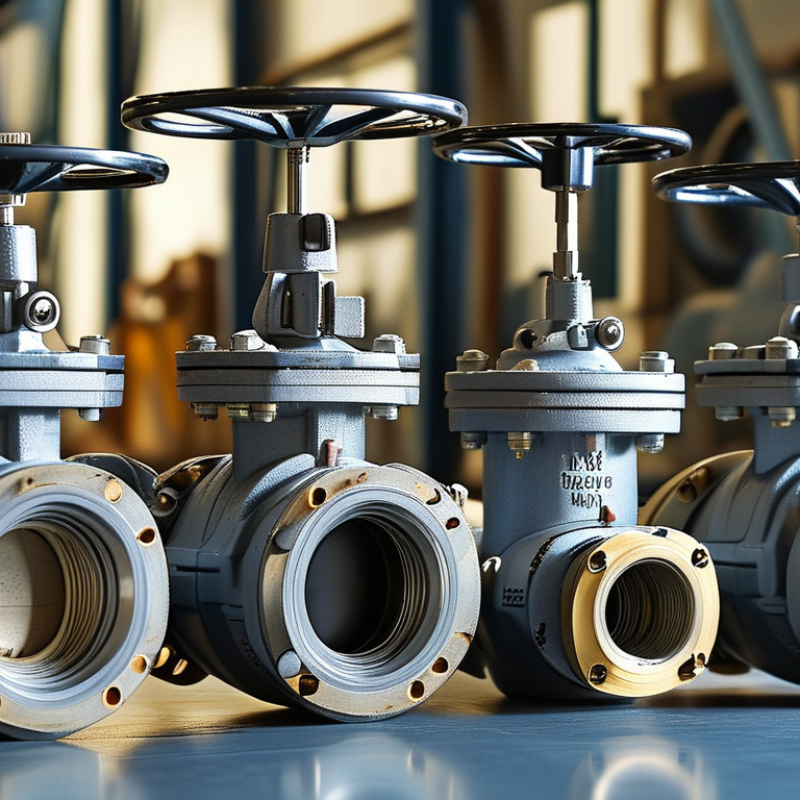
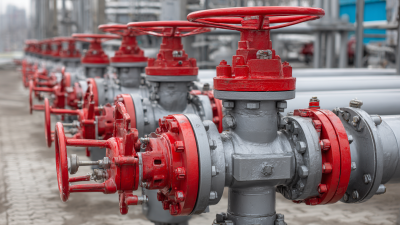
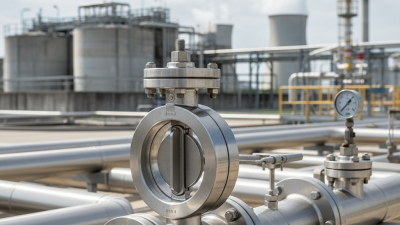
A butterfly valve uses a rotating disc to control or isolate flow. A quarter-turn actuator moves the disc through 90 degrees. This compact design saves space and reduces weight compared with many gate or globe valves. Wafer, lug, and flanged bodies suit different piping arrangements. The right choice depends on the system, not a popularity list.
Experienced buyers check the fluid, pressure, temperature, pipe size, and cycling frequency. Water service may suit a resilient seat, while abrasive or high-temperature media can require a metal-seated design. Seat and disc materials must resist corrosion and wear. Check the pressure class carefully. A valve rated for the pipe size may still fail under severe operating conditions. Small details matter.
Actuator torque should include friction, pressure effects, and a practical safety margin. Manual handles work well for occasional isolation. Pneumatic or electric actuators support frequent, remote, or automated control. During supplier evaluation, request material certificates, pressure-test records, dimensional drawings, and traceability data. International projects may also require specific testing and flange standards. In field inspections, misalignment and poor support often cause problems blamed on the valve. That assumption needs review. No selection method is flawless. Catalog data can look complete but hide critical limits. Check installation space, maintenance access, spare parts, and local technical support before approval.
For clean water, irrigation, and HVAC systems, resilient-seated butterfly valves are often the practical choice. Their rubber or elastomer seats provide reliable shutoff at moderate temperatures. Wafer designs save space between flanges. Lug designs support easier maintenance on isolated pipe sections. Buyers should verify pressure ratings, face-to-face dimensions, and local flange standards before ordering. Small mismatches create expensive installation delays.
Chemical processing needs more careful material selection. Lined butterfly valves can resist aggressive fluids when the liner matches the chemical concentration and temperature. For steam, hot oil, and demanding process lines, double-offset valves reduce seat friction during opening. Triple-offset valves use a metal seat and suit higher temperatures, thermal cycling, and fire-safe requirements. They usually cost more. The application may not need that extra cost.
Global buyers should request test certificates, material records, leakage data, and clear actuator specifications. Electric, pneumatic, and manual operation each require different control planning. In dusty plants, enclosure protection matters. In cold regions, seal performance can change noticeably. A common mistake is choosing by pipe size alone. Flow velocity, pressure drop, cycle frequency, and maintenance access matter too. Selection is not always perfect. Real operating data may expose assumptions that looked reasonable on paper. On-site checks remain valuable, especially before repeating a purchase across several facilities.
Global buyers should compare butterfly valves by service conditions, not catalog popularity. Grand View Research valued the global industrial valves market at about USD 79.4 billion in 2023, with continued growth expected through 2030. That expansion increases choice, but also creates confusion. A resilient-seated valve suits clean water and moderate temperatures. EPDM handles many water applications, while PTFE offers stronger chemical resistance. However, neither material is universally suitable. A small temperature mistake can shorten seal life quickly.
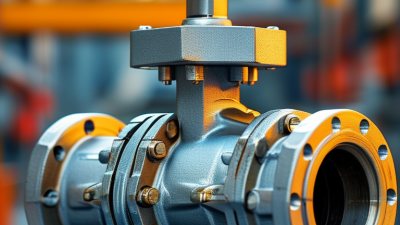
Design affects control and maintenance. Concentric valves are compact and economical for general isolation. Double-eccentric designs reduce disc-to-seat friction, helping larger pipelines cycle more smoothly. Triple-offset valves provide tighter metal sealing for high-temperature or demanding process duties. Wafer bodies save space between flanges, while lugged bodies support more flexible installation and removal. Flanged designs add weight but can simplify alignment on larger systems. Check face-to-face dimensions against ISO 5752 and mounting compatibility against ISO 5211.
Performance data deserves closer attention. API 609 and EN 593 provide useful design references, but certification alone does not guarantee field performance. Buyers should verify pressure class, leakage rate, torque, cycle frequency, media compatibility, and actuator sizing. The 2024 MarketsandMarkets industrial valves analysis identifies oil, gas, water, and chemical processing as major demand sectors, yet application details remain decisive. A valve selected only by diameter may work on paper and fail in service. That is an uncomfortable lesson. Pairing test records with site experience is safer than trusting a polished datasheet.
What Are the Top Butterfly Valves for Global Buyers?
Leading butterfly valve manufacturers for global buyers are judged by more than price. Experienced suppliers provide clear datasheets, material certificates, pressure ratings, and traceable test records. They also explain where each valve performs best, from cooling-water lines to chemical processing systems. That practical guidance matters when installation conditions differ across countries.
A reliable manufacturer should offer resilient-seated and metal-seated designs, with options for manual, pneumatic, or electric operation. Disc materials, shaft design, liner quality, and coating protection affect service life. Buyers should check temperature limits, media compatibility, flange standards, and actuator safety features. Small details matter.
Ask for factory inspection procedures and evidence of pressure testing. Look for consistent dimensions between drawings and delivered products. Some suppliers provide impressive documents but weak technical support after shipment. That gap deserves attention. Even reputable manufacturers may not suit every project. A valve designed for clean water can fail early in abrasive slurry. My own review process would include sample approval, spare-part availability, and response times for technical questions. Do not assume a familiar standard covers every requirement. Local certification, import rules, and maintenance skills can change the best choice.
| Valve Configuration | Typical Size Range | Common Pressure Rating | Typical Temperature Range | Body Materials | Seat or Seal Options | Recommended Applications | Key International Standards | Main Buyer Advantage |
|---|---|---|---|---|---|---|---|---|
| Resilient-Seated Wafer Butterfly Valve | DN40–DN600 1½–24 in |
PN10/PN16 Class 125/150 |
Approximately −20°C to 120°C | Ductile iron, cast iron, carbon steel, stainless steel | EPDM, NBR, FKM, PTFE | Water distribution, HVAC, irrigation, fire-protection systems and general utility service | EN 593, API 609, ISO 5752, ISO 5211 | Compact, lightweight and economical for medium-pressure services |
| Resilient-Seated Lug Butterfly Valve | DN50–DN600 2–24 in |
PN10/PN16 Class 125/150 |
Approximately −20°C to 120°C | Ductile iron, carbon steel, stainless steel | EPDM, NBR, FKM, PTFE | Dead-end service, sectional isolation, water treatment and process utility lines | EN 593, API 609, ISO 5752, ISO 5211 | Can often be used for end-of-line isolation when the design is approved for dead-end service |
| High-Performance Double-Offset Butterfly Valve | DN50–DN1500 2–60 in |
PN10–PN40 Class 150–600 |
Approximately −29°C to 260°C | Carbon steel, stainless steel, alloy steel | RPTFE, graphite, laminated metal, metal-reinforced seals | Oil and gas, chemical processing, steam, cooling water and higher-cycle industrial service | API 609, EN 593, ISO 5752, ISO 5211 | Lower operating torque and reduced seat wear compared with many concentric designs |
| Triple-Offset Metal-Seated Butterfly Valve | DN80–DN1200 3–48 in |
PN16–PN100 Class 150–600 |
Approximately −196°C to 650°C, depending on materials and seal design | Carbon steel, stainless steel, duplex, nickel alloys | Laminate metal seal, graphite, hard-faced metal seat | High-temperature steam, thermal oil, LNG-related service, power generation and severe process duty | API 609, EN 593, ISO 5752, ISO 5211, API 598 | Suitable for high-temperature and high-cycle service with low-emission sealing options |
| PTFE-Lined Butterfly Valve | DN50–DN600 2–24 in |
Usually PN10/PN16 Class 150 |
Approximately −29°C to 150°C, depending on liner grade | Ductile iron, carbon steel, stainless steel | PTFE, modified PTFE, conductive PTFE | Corrosive chemicals, acids, alkalis, pharmaceuticals and high-purity process lines | EN 593, API 609, ISO 5752, ISO 5211 | Provides broad chemical resistance while isolating the process fluid from the valve body |
| Fire-Safe Butterfly Valve | DN50–DN600 2–24 in |
PN10–PN40 Class 150–300 |
Approximately −29°C to 200°C in normal service; fire-test performance is separately assessed | Carbon steel, stainless steel, ductile iron | Fire-safe graphite and resilient secondary seals | Hydrocarbon processing, terminals, storage facilities and fuel-transfer systems | API 607, API 6FA, API 609, ISO 5211 | Designed for applications requiring fire-tested shutoff performance and emergency isolation |
| Sanitary Butterfly Valve | DN15–DN300 ½–12 in |
Typically PN6–PN10 Up to Class 150 in selected designs |
Approximately −20°C to 150°C, depending on elastomer and cleaning cycle | 316L stainless steel, 304 stainless steel | EPDM, silicone, FKM, PTFE | Food and beverage, dairy, biotechnology, pharmaceutical and hygienic processing | ISO 2852, DIN 11864, 3-A sanitary requirements, EHEDG design principles | Cleanable flow path, polished wetted surfaces and hygienic connection options |
| Cryogenic Butterfly Valve | DN50–DN600 2–24 in |
PN16–PN40 Class 150–300 |
Approximately −196°C to 80°C, depending on cryogenic design | Stainless steel, low-temperature carbon steel, nickel-alloy components | PTFE, reinforced PTFE, graphite and low-temperature elastomers | LNG, liquid nitrogen, liquid oxygen, liquid hydrogen and other low-temperature fluids | EN 1626, API 609, ISO 5752, ISO 5211 | Extended bonnets and low-temperature materials help protect the actuator and stem seal system |
| Wafer Butterfly Valve with Electric Actuator | DN40–DN1000 1½–40 in |
PN10/PN16 Class 125/150 |
Approximately −20°C to 120°C for standard resilient-seat configurations | Ductile iron, carbon steel, stainless steel | EPDM, NBR, FKM, PTFE | Remote water networks, building automation, treatment plants and automated process skids | ISO 5211, EN 593, API 609, IEC 60529 for enclosure protection where applicable | Enables remote modulating or on/off control with position feedback and system integration |
| Lug Butterfly Valve with Pneumatic Actuator | DN50–DN800 2–32 in |
PN10–PN40 Class 150–300 |
Approximately −20°C to 200°C, depending on seat and actuator package | Carbon steel, stainless steel, ductile iron | EPDM, NBR, FKM, PTFE, graphite | Fast-cycle isolation, compressed-air systems, chemical plants and automated production lines | ISO 5211, EN 593, API 609, ISO 15714 for pneumatic actuator testing where applicable | Fast quarter-turn operation and reliable fail-safe options when supplied with a suitable actuator package |
Note: Size, pressure, temperature and material ranges are representative industry values. The final specification depends on the valve design, trim, seat material, fluid properties, operating cycle, applicable code and required certification.
What Are the Top Butterfly Valves for Global Buyers?
Quality starts with evidence, not polished photographs. Inspect the body material, disc finish, shaft design, and seat compatibility with the working medium. A reliable supplier should provide pressure-test records, material certificates, dimensional drawings, and batch traceability. Check whether testing follows recognized standards, such as API 609 or EN 593, where applicable. ISO 5211 mounting dimensions can also simplify actuator integration. Certification names alone prove little. Verify the certificate number, issuing body, scope, and validity.
Pricing needs a wider lens. Compare the valve, actuator, testing, packaging, shipping, duties, and expected maintenance costs. A cheaper seat may harden quickly under heat or frequent cycling. That saving can disappear after one shutdown. Request a detailed quotation with pressure class, size, materials, coating, delivery time, and spare-part prices. I have seen attractive quotes omit essential testing. That is not always dishonest, but it deserves careful questioning. No checklist is perfect.
Support often separates a usable valve from an expensive delay. Ask how quickly engineers answer technical questions and whether they can supply drawings, installation guidance, and replacement parts. Confirm warranty terms, inspection procedures, and communication hours across time zones. A practical test is simple: send one detailed inquiry and judge the response. Does it address torque, temperature, flange standards, and operating cycles? Vague replies create risk. Good support feels specific, documented, and available after payment.