Best Apollo Check Valves from China for Global Buyers?
Global buyers are reexamining valve sourcing as industrial projects demand stronger reliability, documentation, and cost control. Grand View Research valued the global industrial valves market at approximately USD 78.8 billion in 2023. It also forecasts a 4.8% compound annual growth rate from 2024 to 2030. These figures show continuing demand across water treatment, energy, chemical processing, and manufacturing.
Apollo check valves attract attention because backflow protection depends on small details. Disc design, spring selection, seat material, and pressure rating all affect field performance. Chinese manufacturers can offer competitive production capacity and flexible customization. However, buyers must distinguish genuine Apollo products from compatible or private-label alternatives. A familiar product photograph proves very little.
Evidence matters more than promises.
A reliable evaluation should verify manufacturer identity, authorized distribution status, applicable ASME or API requirements, and complete material traceability. Request hydrostatic and seat-leakage test records for each relevant batch. Check stainless-steel grades, elastomer compatibility, temperature limits, and end-connection dimensions against the project specification. Fortune Business Insights reports that the industrial valves market continues expanding, supported by infrastructure and process-industry investment. That growth increases supplier choice, but it also increases the risk of inconsistent documentation. No shortlist is perfect. Even experienced procurement teams can overlook a certificate mismatch or an unsuitable seal. This guide compares the best Apollo check valves from China for global buyers through technical evidence, inspection practices, delivery capability, and long-term service considerations. The goal is not simply to find the lowest quotation. It is to identify a dependable valve source that can withstand operating conditions, audits, and real-world maintenance demands.
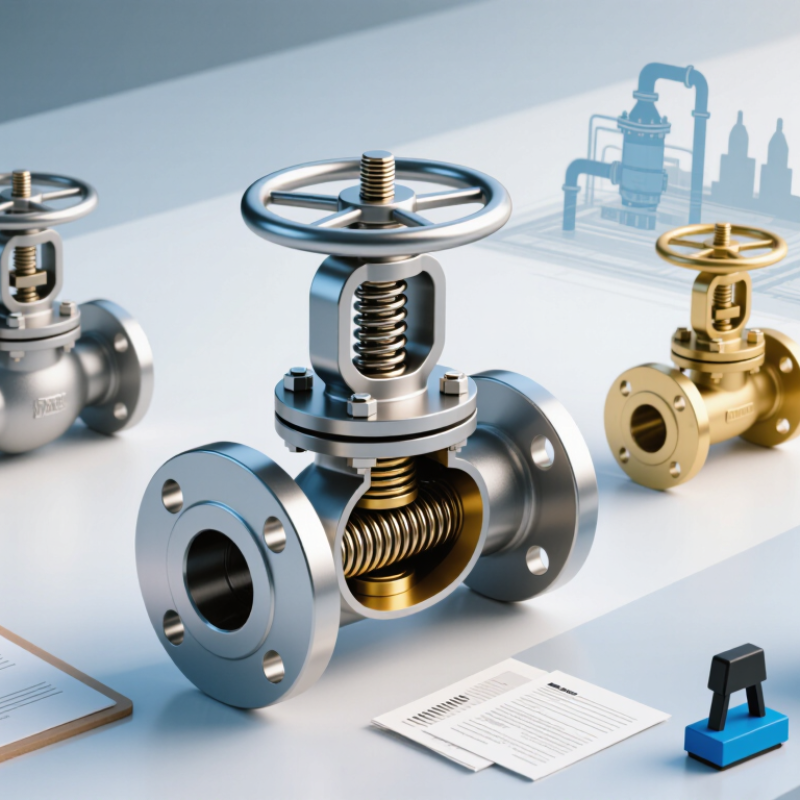
Apollo Check Valve Basics: 3 Main Designs and Their Flow-Control Roles
Choosing a check valve from China starts with understanding how each design manages reverse flow. The right choice depends on fluid, pressure, installation position, and maintenance access.
A swing check valve uses a hinged disc that opens with forward flow. It creates relatively low pressure loss in large pipelines. This design suits water, cooling systems, and steady-flow process lines. It usually needs a horizontal installation or upward vertical flow. Slow closure can allow water hammer when flow changes quickly. That risk is easy to underestimate.
A lift check valve moves its disc vertically against a seat. It responds quickly and offers reliable sealing in smaller, higher-pressure lines. However, its pressure drop can be higher than a swing design. Clean liquids and gases are usually better applications. A dual-plate check valve uses two spring-loaded plates inside a compact body. Its short closing travel helps reduce reverse-flow shock. Space matters. It fits wafer-style installations where flanged length is limited.
For global buyers, technical review should include body material, seat material, pressure class, temperature range, and flow direction markings. Ask for dimensional drawings and inspection records before production. Pressure and leakage tests should match the agreed specification. In practice, a lower quoted price may hide thinner documentation or unsuitable sealing materials. I would also verify coating quality, bolt access, and spare-part availability. One overlooked detail can delay an entire installation. A practical selection is not always the most compact one. It is the valve that matches the line’s actual operating behavior.
Pressure Classes 150, 300, and 600 for Global Pipeline Applications
For global pipeline buyers, Class 150, 300, and 600 check valves serve different pressure and temperature duties. Under ASME B16.34 ratings, a carbon-steel valve may handle about 285 psi at Class 150, 740 psi at Class 300, and 1,480 psi at Class 600 near 100°F. These figures change with material and temperature. A class number alone is not enough.
Field experience shows that swing, lift, and dual-plate designs behave differently. Swing valves suit steady flow and larger lines. Dual-plate valves reduce installation length and water-hammer risk. Class 300 often fits transmission pipelines with moderate pressure margins. Class 600 needs stronger bodies, better bolting, and tighter inspection controls. The International Energy Agency’s Global Methane Tracker 2024 estimated 120 million tonnes of methane emissions from fossil-fuel operations in 2023. This reinforces the need for reliable sealing and documented testing, even in non-gas applications. Small leakage matters.
Tips: Request pressure-temperature charts, material certificates, hydrostatic results, and low-pressure seat tests. Confirm the tested medium and test duration. Ask for API 594 or API 6D compliance where the project requires it. Verify dimensions against ASME B16.10 and flange drilling against ASME B16.5. China-based factories can offer competitive production, but quality varies between batches. I would not rely on photographs alone. Witness inspection, traceable serial numbers, and independent reports are worth the extra time.
Best Apollo Check Valves from China for Global Buyers
Reference pressure classes for global pipeline applications: Class 150, 300, and 600.
The chart compares indicative cold working pressure ratings at 100°F (38°C) for carbon-steel valve materials under ASME B16.34 reference conditions. Actual allowable pressure depends on material grade, temperature, valve design, end connection, and applicable certification requirements.
API 598 and ISO 5208 Testing: Leakage Grades and Acceptance Criteria
For global buyers sourcing Apollo check valves from China, leakage testing deserves more attention than surface finish. API 598 and ISO 5208 define different testing frameworks, so their results should not be compared casually.
API 598 commonly covers shell, backseat, and closure tests. Acceptance depends on valve type, size, pressure, and seat material. Resilient-seated valves normally require no visible leakage during closure testing. Metal-seated designs may allow a specified rate. ISO 5208 uses leakage Rates A through F, with Rate A generally requiring no visible leakage. The selected rate must appear in the purchase specification.
Small details matter.
Ask for the test medium, pressure, duration, and calibrated gauge records. A factory inspector should verify valve direction, disc movement, and connection cleanliness before testing. During a witnessed test, water droplets at the outlet can reveal a problem that photographs miss. That is practical evidence.
Certificates help, but they are not proof by themselves. I have seen documents listing “zero leakage” without identifying the applied standard or test duration. That wording is weak. Buyers should request serial numbers, pressure charts, and signed inspection reports. Also check whether the supplier tested every valve or only a sample. This distinction can change the risk significantly. Mistakes still happen, especially when purchase orders copy old acceptance language. A clear test matrix prevents that confusion.
DN15–DN600 Sizing: Flow Rate, Cv, and Pressure-Drop Selection
For global buyers, DN15–DN600 is not a simple catalog range. I size a check valve from flow rate, fluid density, temperature, and line velocity. The U.S. Department of Energy notes that pumping systems can consume 25–50% of industrial motor-system electricity in many facilities. A small pressure loss can therefore become a large operating cost.
For liquids, the practical starting point is
Cv = Q√(SG/ΔP),
using Q in gallons per minute and ΔP in psi. Cv must match the valve’s tested capacity, not a supplier’s optimistic estimate.
Hydraulic Institute engineering guidance also stresses checking the duty point across minimum, normal, and maximum flow. DN50 may suit 20 m³/h, yet fail at 3 m³/h if the disc chatters. Check cracking pressure matters. So does closing speed.
I review velocity and transient risk before approving DN15–DN600 selections. Water hammer can appear when a disc closes sharply, especially in long vertical pipelines. ISO 5208 supports pressure-testing verification, but it does not replace application calculations. My earlier shortcut was choosing the same nominal diameter as the pipe; that was too neat.
A larger valve can reduce ΔP, but may not close reliably at low flow. Ask for
Cv curves, cracking-pressure data, material certificates, and tested leakage results.
The U.S. DOE Pumping System Assessment Tool is useful for energy screening, although it cannot predict every site-specific transient.
Genuine Apollo Valves vs Chinese OEM Equivalents: Traceability and Cost
When buyers compare genuine branded valves with Chinese OEM equivalents, traceability matters more than a lower invoice. I have inspected valve packages where the body looked identical, yet heat numbers failed to match certificates. That small gap can delay commissioning. The 2023 Grand View Research report valued the global industrial valve market at approximately USD 78.4 billion. Such scale attracts capable manufacturers, but also creates uneven documentation practices.
A serious OEM should provide material certificates, pressure-test records, drawing revisions, and serialized nameplate data. Buyers should verify each record against the valve body, not only a PDF folder. The 2023 World Bank Logistics Performance Index gave China a score of 3.7, ranking it 19th globally. Logistics are strong, but tracking quality still depends on the supplier’s internal controls. ISO 9001 certification helps, though it does not prove every batch is consistent. I have found missing witness signatures in otherwise professional files. That is uncomfortable, but useful. A third-party inspection can confirm shell testing, seat leakage, coating thickness, and alloy composition before shipment. Genuine products usually offer established traceability systems and wider service networks. Chinese OEM equivalents may reduce purchase costs, especially for standard sizes and repeat orders. Yet savings can disappear through rework, spare-part uncertainty, or unclear warranty terms. Requesting a sample serial-number trail is practical. Compare it with the packing list, test report, and factory records. One overlooked mismatch can matter.