Choosing the right recirculation valve can influence system stability, energy use, maintenance frequency, and equipment life. In 2026, engineers are comparing several designs, including automatic recirculation valves, pressure-sustaining valves, control valves, and thermal bypass models. Each type responds differently to changing flow, pressure, temperature, and pump conditions. A valve that performs well in a clean-water system may struggle with abrasive fluids or frequent pressure fluctuations.
This guide examines the leading recirculation valve types through practical operating needs. It considers response speed, minimum-flow protection, materials, installation space, control accuracy, and long-term service requirements. For example, an automatic valve may protect a centrifugal pump without complex instrumentation. A modulating control valve may offer finer adjustment, but it often requires reliable sensors and careful commissioning. Small details matter. A poorly selected trim can cause noise, vibration, or premature wear.
Real plant experience also shows that specifications alone do not guarantee success. Actual fluid properties, pump curves, startup conditions, and maintenance skills must shape the decision. Some comparisons remain imperfect because manufacturers test products under different conditions. That deserves attention. The “best” recirculation valve is rarely universal. It depends on the duty, risk level, budget, and consequences of failure. This overview provides a clear technical framework, while encouraging engineers to verify every recommendation against site data, recognized standards, and manufacturer documentation. Performance should be proven, not assumed.
A recirculation valve protects pumps when system demand falls below the safe minimum flow. It redirects part of the discharge back to the tank or suction line. Without this path, a centrifugal pump may overheat, vibrate, or suffer cavitation. The American Petroleum Institute’s API 610 standard emphasizes reliable minimum-flow protection for process pumps. This is not a minor detail. A quiet pump can still be operating dangerously.
Common options include automatic recirculation valves, fixed bypass valves, and control-valve bypass systems. An automatic recirculation valve responds to flow and opens when demand drops. It combines check, bypass, and throttling functions in one assembly. A fixed bypass is simpler, but it may waste energy during normal operation. The U.S. Department of Energy reports that pumping systems can represent about 25% of industrial electricity use. Poor bypass sizing can increase that burden. In my field experience, “more open” is not always safer. It can create heat, noise, and unnecessary operating costs.
Tips: Confirm the pump’s minimum continuous stable flow from its performance curve. Check the valve’s cavitation rating, response speed, and temperature limits. The Hydraulic Institute recommends evaluating the complete system, not the valve alone. Selection also depends on fluid viscosity, pressure difference, startup conditions, and maintenance access. Automatic recirculation is often the strongest choice for variable demand, but it is not universally best. A careful site test can reveal assumptions that calculations miss.
A recirculation valve protects centrifugal pumps by maintaining the required minimum flow when the main discharge flow is low or interrupted. The chart compares common valve arrangements by their control method, automation level, and typical suitability for continuous minimum-flow protection.
Scale: 1 = low, 2 = moderate, 3 = high. The scores represent typical engineering characteristics rather than manufacturer-specific performance. Automatic recirculation valves are generally preferred when fast, self-acting pump protection is required.
2026 Top Recirculation Valve Types: Which One Is Best?
Recirculation valves protect centrifugal pumps when demand falls below the safe minimum flow. A sensing element monitors discharge pressure or flow. When the main line closes, the valve opens a bypass path automatically. Fluid then returns to the tank, suction line, or process vessel. This prevents overheating, vapor formation, vibration, and unstable operation.
Automatic recirculation valves suit changing process loads because one body can combine sensing, bypass control, and check functions. Pressure-controlled valves offer stronger adjustment for complex systems. Fixed-orifice designs cost less, but they may waste energy during low-load operation. Control valves provide precise regulation, although they need instrumentation and careful tuning. There is no universal winner.
Energy performance matters. The International Energy Agency reports that electric motor systems consume about 53% of global electricity. Pumping equipment forms a significant part of that demand. The U.S. Department of Energy also estimates pumping systems can represent roughly 25% of industrial electricity use. A correctly sized recirculation path can reduce avoidable losses, but an oversized bypass can quietly circulate too much fluid.
In field commissioning, engineers should check minimum continuous stable flow, valve response time, fluid temperature, and flashing risk. A useful test records pressure before and after the valve during rapid load changes. Small errors matter. We sometimes focus on purchase price and overlook lifetime throttling losses. That is a weakness in many selections. Standards, operating data, and actual pump curves should guide the final choice, not habit alone.
Recirculation valves protect centrifugal pumps when process demand falls below minimum flow. The main choices include automatic recirculation valves, control valves with bypass lines, pressure-sustaining valves, and fixed orifices. Each design manages heat, pressure, and flow differently. There is no universal winner.
Automatic recirculation valves combine a check function with minimum-flow protection. They react quickly and suit boiler-feedwater and high-pressure services. Control valves provide finer adjustment, especially when operating conditions change frequently. However, they need instruments, calibration, and a reliable actuator. Fixed orifices are simple and inexpensive. They can waste energy when the pump operates far above its minimum-flow requirement.
The U.S. Department of Energy reports that pumping systems can consume 25% or more of industrial electricity in some facilities. That figure makes valve sizing an energy decision, not only a protection decision. API 610 also emphasizes maintaining the pump manufacturer’s specified minimum continuous stable flow. In field reviews, poor bypass sizing often creates noisy flashing, vibration, and excessive recirculation. My practical preference is an automatic valve for variable demand and a control valve for complex process control. Still, that preference needs checking against fluid temperature, pressure drop, solids content, and failure position. A smaller valve is not automatically efficient. A larger valve may hunt, erode, or pass too much flow.
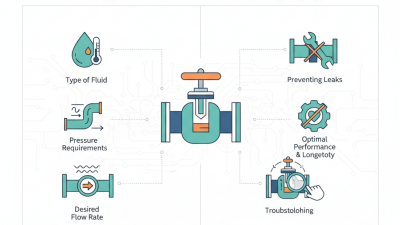
Choosing a recirculation valve requires more than comparing purchase prices. Compare minimum-flow protection, pressure-drop control, response time, cavitation resistance, and maintenance access. Automatic recirculation valves suit boiler-feed and high-pressure pump systems because they combine flow sensing, bypass control, and check-valve action. A fixed orifice may cost less, but it can waste energy when demand changes. A control valve offers finer regulation, yet it needs instrumentation and careful tuning.
The International Energy Agency’s Energy Efficiency 2023 report estimates that electric motor systems consume about 53% of global electricity. Pump efficiency therefore deserves close attention. API 610 guidance also emphasizes stable operation near minimum continuous flow. During field checks, record discharge pressure, flow, temperature, vibration, and bypass flow. A valve that looks efficient on a test bench may create noise or flashing at site conditions. This is where my own judgment becomes less certain: published curves rarely show every transient event.
Tips: Start with the pump’s minimum continuous stable flow, not the normal operating flow. Compare valve pressure loss at low, rated, and maximum flow. Check the bypass outlet location, pipe supports, and drain arrangement. For hot water or steam-related service, review material limits and cavitation margins with a qualified engineer. Small installation details matter.
| Valve Type | Operating Principle | Flow Control Method | Response and Regulation | Typical Pressure-Drop Profile | Best-Fit Applications | Main Advantages | Key Limitations |
|---|---|---|---|---|---|---|---|
| Automatic Recirculation Valve (ARV) | Uses the main-pump discharge flow to open a process outlet and automatically opens a bypass when the flow falls below a preset minimum. | Self-actuated by flow rate and differential pressure; no external control signal is normally required. | Fast and automatic protection against low-flow operation, but the minimum-flow set point is generally fixed by the valve design. | May create a relatively high pressure drop at low main-line flow because the bypass must maintain adequate velocity and pressure differential. | Centrifugal pumps handling boiler feedwater, condensate, hydrocarbons, chemicals, and other services where minimum-flow protection is essential. | High reliability Combines check, bypass, and throttling functions in one assembly. |
Less flexible for changing operating conditions; proper sizing is critical to prevent vibration, noise, cavitation, and unstable operation. |
| Pressure-Sustaining or Backpressure Valve with Bypass | Maintains a minimum upstream pressure by opening the recirculation path when the sensed pressure falls below the set point. | Spring-loaded or pilot-operated pressure regulation. | Good pressure control; response depends on pilot design, sensing-line arrangement, and system dynamics. | Pressure loss increases as the valve throttles; the bypass must be checked for adequate downstream backpressure. | Pump systems requiring a defined discharge pressure, stable upstream conditions, or protection during variable process demand. | Adjustable set point and suitable for systems where pressure, rather than only flow, is the primary control variable. | Requires accurate pressure sensing and maintenance of pilot components; it may not directly measure actual pump flow. |
| Control Valve with Dedicated Recirculation Line | An actuated control valve modulates a parallel bypass line according to a flow, pressure, temperature, or pump-protection signal. | Pneumatic, electric, or hydraulic actuator controlled by a feedback loop. | Highly adjustable and capable of continuous modulation; response depends on actuator speed and control-loop tuning. | Can be optimized for the design duty, but throttling losses may be significant at low-flow conditions. | Large process plants, variable-speed pump systems, systems with changing minimum-flow requirements, and applications needing remote supervision. | Excellent flexibility, diagnostics, and integration with distributed control systems. | Higher installation and control complexity; requires power or instrument air and correctly configured fail-safe action. |
| Globe-Style Minimum-Flow Valve | Uses a guided plug and seat to regulate a dedicated bypass line and maintain a specified minimum flow through the pump. | Manual, pressure-operated, or actuator-operated throttling. | Provides precise throttling when properly sized; suitable for moderate to high differential pressure. | Predictable throttling loss, with the potential for noise and cavitation if pressure drop is excessive. | High-energy liquid services, feedwater systems, and applications where controlled dissipation of pressure is required. | Good control accuracy and availability of anti-cavitation trim options. | More moving parts and maintenance than a simple orifice; trim selection must reflect fluid properties and pressure drop. |
| Fixed Restriction Orifice | A calibrated opening provides a continuous bypass path whenever the pump operates. | Passive fixed-area restriction; no active modulation. | No response time or control logic; bypass flow is determined by pressure differential and orifice size. | Usually produces a permanent pressure loss and may pass more flow than necessary at reduced-load conditions. | Stable systems with nearly constant pump duty, clean fluids, and simple low-cost minimum-flow requirements. | Simple construction, low maintenance, and no external power or instrumentation. | Poor adaptability; risk of excessive energy consumption, erosion, noise, or cavitation if operating conditions change. |
| Pressure-Independent Flow-Control Valve | Combines a flow-regulating element with pressure compensation to maintain a near-constant bypass flow across a defined pressure range. | Mechanical pressure-compensation mechanism, sometimes combined with an actuator. | More stable flow control than a fixed orifice when system pressure varies within the specified range. | Maintains controlled flow but requires a minimum differential pressure for proper operation. | Compact pump skids, utility circulation systems, and installations where fluctuating pressure makes fixed restrictions unsuitable. | Improved flow stability and reduced dependence on downstream pressure changes. | Operating range is limited by the selected cartridge or trim; unsuitable fluids can damage internal components. |
Selection guideline: An automatic recirculation valve is generally the best choice for reliable, self-acting centrifugal-pump minimum-flow protection. A control valve with a dedicated bypass is usually better when the required recirculation flow changes significantly or when remote monitoring is important. A fixed restriction orifice is appropriate only when pump duty, fluid properties, and system pressure remain sufficiently stable. Final selection should be based on minimum continuous stable flow, normal and maximum flow, differential pressure, fluid temperature, vapor pressure, viscosity, solids content, allowable noise, cavitation risk, and the required fail-safe position.
The best recirculation valve depends on pump behavior, minimum flow, pressure, and fluid temperature. For boiler-feed and high-pressure centrifugal pumps, an automatic recirculation valve often offers the strongest protection. It opens when discharge flow drops, then closes as the pump returns to a safe operating range. This response reduces overheating, vibration, and internal damage. The U.S. Department of Energy reports that pumping systems may consume 25% to 50% of industrial facility electricity. Poor valve selection can therefore create unnecessary energy losses.
For steady, predictable flow, a fixed orifice may be simpler and cheaper. It can waste energy during normal operation, though. A controlled globe or angle valve suits systems needing adjustable minimum-flow protection. Hydraulic Institute guidance stresses operation near the pump’s preferred operating region, not only at the design point. That difference matters. API 610 also places strong attention on minimum continuous stable flow for process pumps. Still, real installations often reveal imperfect assumptions. Fluid properties change. Operators override settings. A valve that looks ideal on paper may behave poorly during startup.
Tips: Measure actual flow, pressure, temperature, and fluid viscosity before sizing. Check the valve’s pressure-drop curve, noise level, cavitation margin, and fail position. Test low-load operation during commissioning. Recheck the setting after seasonal demand changes. A smaller valve is not automatically more efficient.