What is a Wifi Smart Switch and How Does It Work?
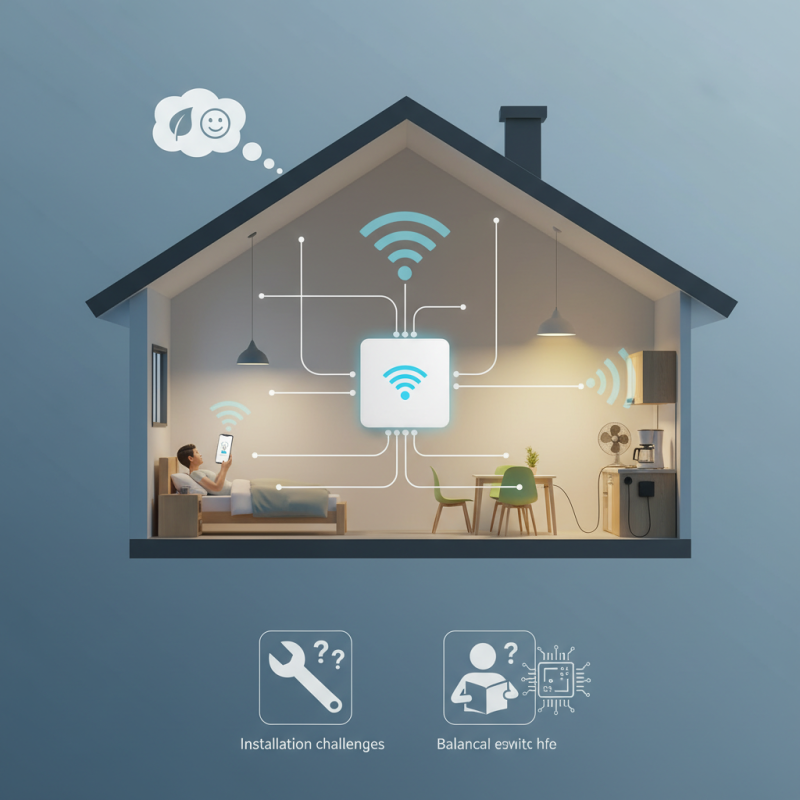
A Wifi Smart Switch is a modern device that enhances home automation. It allows users to control lights and appliances from anywhere. Imagine turning off your living room lights while lying in bed. This convenience is appealing, which explains the popularity of Wifi Smart Switches.
These devices work by connecting to your home Wi-Fi network. Once linked, you can manage them through a smartphone app or voice commands. However, some people struggle with installation or compatibility issues. This can be frustrating. A Wifi Smart Switch might not fit every home’s electrical setup.
The appeal lies in the potential for energy savings and improved lifestyle. Yet, do we sometimes rely too heavily on technology? While it's convenient, it’s worth considering the balance between automation and personal engagement. As we delve deeper into what a Wifi Smart Switch is and how it works, we can explore both its benefits and limitations.
What is a Wifi Smart Switch: Definition and Overview
A WiFi smart switch allows users to control their home lighting and appliances remotely using a smartphone or a voice assistant. It connects to home WiFi networks, providing seamless control from anywhere. Reports suggest that the smart home market is anticipated to grow by 26.9% annually through 2027. This trend emphasizes the need for intelligent devices that enhance convenience and energy efficiency.
These devices are not just about ease of use; they can significantly contribute to energy savings. A smart switch can help reduce power consumption by scheduling lights to turn off when not in use. Studies reveal that smart home users can save up to 15% on their energy bills. However, potential buyers should conduct thorough research. Compatibility with existing systems is essential for a stress-free experience.
Tip: Always check for security features. Protecting personal data is vital in smart home technology. Consider using robust passwords and enabling two-factor authentication. This will help safeguard your network from unauthorized access. Another tip is to explore energy monitoring features. Understanding energy usage can lead to better management and further savings.
Key Features of Wifi Smart Switches and Their Benefits
Wifi smart switches are becoming more popular in modern homes. These devices allow you to control your lighting and appliances remotely. They connect seamlessly to your home Wi-Fi network. A recent report by Research and Markets noted that the smart home market is expected to reach $174 billion by 2025. This growth is largely due to conveniences provided by products like smart switches.
Key features of Wifi smart switches include voice control, scheduling, and energy monitoring. Voice control lets users operate devices hands-free. Scheduling enables automation of lights according to your routine. Energy monitoring provides insight into consumption, helping you save on bills. According to Statista, smart home users can reduce energy costs by up to 30% by optimizing usage based on insights gained from such devices.
Tips: When selecting a Wifi smart switch, ensure compatibility with your home’s existing wiring. Look for easy installation guides. Consider whether you need features like dimming or multi-way control. Keep in mind that not all devices will fit your needs perfectly. You may find some functions underwhelming or difficult to navigate. Testing different brands can help you find the best fit for your lifestyle.
How Wifi Smart Switches Connect to Home Networks
Wifi smart switches have revolutionized how we control our lighting and devices at home. These switches connect seamlessly to your home network, offering remote access via smartphone apps. According to a recent report by MarketsandMarkets, the smart home market is expected to reach over $174 billion by 2025, indicating the rapid adoption of smart home devices, including Wifi smart switches.
Connecting Wifi smart switches to your home network is crucial. Typically, these switches use Wi-Fi standards like 802.11n or 802.11ac. When set up properly, users can control their lights from anywhere, even when away from home. However, this connectivity can be tricky. Interference from walls and other electronics often disrupts the signal. This factor can lead to moments of frustration, where the switch may not respond as expected. Reports highlight that poor Wi-Fi coverage affects nearly 25% of homes, raising questions about reliability.
In addition to connectivity issues, security is a major concern. Hackers can potentially exploit vulnerabilities in smart devices. A research paper from IBM states that 70% of IoT devices are susceptible to attacks. Users must remain vigilant and regularly update their devices to mitigate risks. The balance between convenience and safety is a topic worth reflecting on for many smart home enthusiasts.
Understanding the Technology Behind Wifi Smart Switch Operation
A WiFi smart switch is a device that allows users to control their lights and appliances remotely. It connects to a home WiFi network, enabling control through a smartphone app. The technology behind this device is interesting and complex. At its core, the switch uses a microcontroller and WiFi module. These components work together to receive commands and transmit data over the network.
When you tap a button in the app, a signal travels to the switch via WiFi. The switch interprets this signal and turns on or off the connected device. It’s a straightforward idea, but not always foolproof. Network issues can disrupt communication. Sometimes, the app might lag or fail to respond quickly, leading to frustration.
Smart switches also often include additional features like timers and automation. This means you can set them to operate at specific times. However, this functionality isn't flawless. Users may forget to adjust settings for daylight savings or have multiple apps for different devices. Each of these aspects shows the blend of convenience and complexity involved in modern smart home technology.
Understanding the Energy Consumption of Wifi Smart Switches
Market Trends and Growth Statistics for Smart Home Devices
The market for smart home devices is booming. According to recent reports, the global smart home market is projected to exceed $174 billion by 2025. This growth is driven by increasing consumer demand for automation and energy efficiency. Smart switches are a crucial part of this trend. They offer convenience and energy management in one compact solution.
In 2022, smart home device penetration reached approximately 25% in households across North America. This number is expected to rise. Interestingly, users are drawn to seamless control and integration with other devices. However, the complexity of setup processes can deter potential buyers. Reports show that up to 40% of users encounter issues during installation.
The need for intuitive design is clear. Companies must address these challenges. Furthermore, security concerns about smart devices remain prevalent. According to a recent survey, nearly 60% of consumers worry about data privacy. This hesitation highlights an area where further education and transparency are necessary. As the market evolves, manufacturers must prioritize user experience to drive adoption.
Market Trends and Growth Statistics for Smart Home Devices
| Year | Global Market Size (Billion USD) | Year-over-Year Growth Rate (%) | Smart Switch Adoption Rate (%) | Key Growth Drivers |
| 2021 | 62.0 | 16.0 | 25.0 | Increased consumer awareness |
| 2022 | 72.0 | 16.1 | 30.5 | Rising smart home technology |
| 2023 | 83.5 | 16.0 | 35.0 | Smart home integration |
| 2024 | 95.0 | 13.4 | 40.0 | Cost reductions |
| 2025 | 110.0 | 15.8 | 45.0 | Increased IoT devices |