2026 Top Recirculation Valve Types You Need to Know?
In the rapidly advancing field of HVAC and automotive engineering, the understanding of recirculation valves is essential. According to a recent report by MarketsandMarkets, the global HVAC system market is expected to reach $243.9 billion by 2027, emphasizing the importance of components like the recirculation valve. These valves play a critical role in enhancing system efficiency and reducing energy consumption.
Despite their significance, misconceptions about recirculation valves persist. Many professionals underestimate their impact on fluid dynamics and energy recovery. For instance, the improper selection of valve types can lead to inefficiencies that increase operational costs. Industry experts emphasize the need for rigorous testing and validation to ensure optimal performance.
As we delve into the various recirculation valve types in this guide, it is crucial to recognize that not all valves are created equal. Many variables, such as application and system design, affect their effectiveness. This article aims to illuminate these factors, assisting professionals in making informed decisions in their projects and applications.
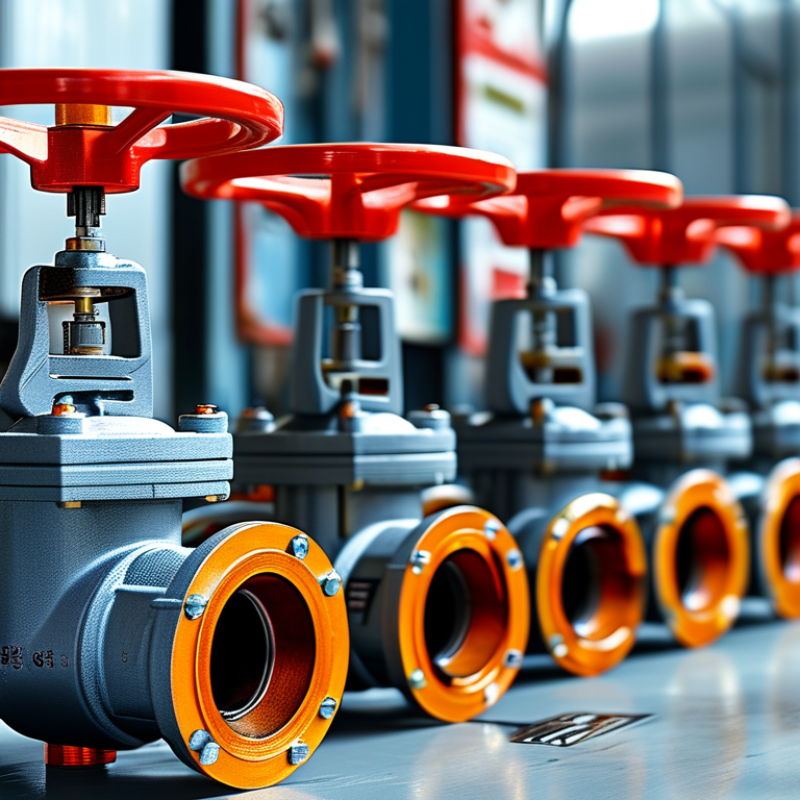
Overview of Recirculation Valves and Their Functionality
Recirculation valves play a crucial role in various systems, including HVAC and plumbing. These valves help maintain pressure and control the flow of fluids or gases. By doing so, they improve efficiency and ensure the systems operate smoothly. Understanding their functionality is essential for any professional in the field.
There are several types of recirculation valves, each designed for specific applications. Some common types include check valves, ball valves, and globe valves. Check valves allow fluid to flow in one direction, preventing backflow. Ball valves offer reliable sealing and quick operation, while globe valves provide precise flow control. Each type has its advantages and disadvantages that professionals must consider.
Knowing how to choose and maintain recirculation valves is key. Periodic inspections are necessary to identify wear and tear. Keep an eye out for leaks or unusual noises during operation. Regular maintenance can prevent bigger issues down the line, promoting reliability.
Understanding these factors can help you make informed decisions. Every project may require a different type or maintenance strategy. Don’t overlook simple details like valve orientation during installation to avoid complications. Proper installation ensures optimal performance.
2026 Top Recirculation Valve Types You Need to Know
| Valve Type |
Material |
Application |
Operating Pressure (Bar) |
Temperature Range (°C) |
| Ball Valve |
Stainless Steel |
Water Circulation |
10 |
-20 to 120 |
| Check Valve |
Brass |
Oil and Gas |
15 |
-10 to 100 |
| Globe Valve |
PVC |
Chemical Processing |
5 |
-20 to 60 |
| Butterfly Valve |
Aluminum |
HVAC Systems |
6 |
-10 to 80 |
| Solenoid Valve |
Plastic |
Automated Controls |
3 |
0 to 50 |
Types of Recirculation Valves for Different Applications
Recirculation valves play a crucial role in various applications, optimizing fluid flow and ensuring system efficiency. These valves are not one-size-fits-all. Different types cater to specific needs, such as temperature control and pressure regulation. For instance, control valves are essential in HVAC systems, maintaining desired temperatures by regulating flow rates. On the other hand, check valves are commonly used in plumbing, preventing backflow and ensuring a steady supply.
In industrial settings, pressure-relief valves are vital for safety. They mitigate risks by releasing excess pressure, protecting equipment from damage. Moreover, ball valves are favored for their reliability and compact design. They offer quick shut-off capabilities, which are beneficial in processes requiring fast responses. However, a common oversight is the misapplication of valve types, leading to inefficiencies. Understanding the unique characteristics of each valve can help avoid such pitfalls.
Furthermore, proper maintenance is often neglected. Regular checks can prevent leaks and prolong valve life. Many users underestimate how even minor issues can escalate into severe problems. Awareness of the different recirculation valves available can enhance system performance. Each application has its demands, and selecting the right valve is critical for optimal results. The focus should always be on matching the valve to the specific requirements of the system, ensuring both efficiency and reliability.
Key Features and Benefits of Each Valve Type
Recirculation valves play a vital role in various systems. Understanding their key features can help enhance efficiency. One crucial type is the globe valve. It allows for precise control of flow. This precision is beneficial in applications like water treatment and HVAC systems.
Another popular option is the ball valve. Its simple design provides quick on/off control. Ball valves minimize pressure drop, which makes them ideal for gas and liquid services. Their durability often leads to lower maintenance costs over time.
Not all valve types are perfect. Some may lead to cavitation, affecting performance. Users need to consider their specific environment and pressure conditions. A poorly chosen valve can result in inefficient operation. Careful analysis and reflection on system requirements are essential for optimal performance.
Installation and Maintenance Best Practices for Recirculation Valves
Recirculation valves play a crucial role in maintaining the efficiency of heating and cooling systems. Proper installation is key to ensure they function as intended. The American Society of Plumbing Engineers suggests that the installation angle should be carefully considered. This helps avoid pressure drops that can hinder performance. A survey by the National Association of Home Builders found that improper installation accounts for up to 30% of system inefficiencies.
Maintenance is equally vital. Regularly checking valves for leaks can prevent significant energy losses. In a recent report, up to 50% of industrial systems showed signs of wear or deterioration in their recirculation valves due to neglect. It’s advisable to establish a routine inspection schedule. This allows early detection of any issues that might arise. Simple actions like cleaning and adjusting can dramatically extend the lifespan of these components.
Users should also be aware of the importance of system balancing. An unbalanced system can lead to overworking the recirculation valves, leading to premature failure. Training personnel in maintenance practices is crucial. Inadequate training often leads to oversights that can be costly. Review past maintenance logs to identify patterns and learn from previous mistakes.
Future Trends in Recirculation Valve Technology and Innovation
The future of recirculation valve technology is on the brink of significant innovation. As industries evolve, efficiency becomes paramount. Development trends indicate a shift toward smart valves equipped with sensors. These sensors allow for real-time data collection and analysis. This capability enables predictive maintenance, reducing downtime and costs.
Energy efficiency is another focal point. New materials and designs are on the rise. Lightweight composites can enhance performance while minimizing energy consumption. However, this shift also poses challenges. Understanding material behavior in various environments is crucial. Further research may be needed to ensure reliability and performance stability under extreme conditions.
Sustainability is a growing concern. Industry players are exploring eco-friendly materials to replace traditional options. The integration of renewable energy sources for power control is becoming a trend. However, balancing cost and sustainability presents a dilemma. Continued exploration in this area is essential, as the landscape of recirculation valve technology continues to change rapidly.