Choosing among China’s top 10 shut off valve manufacturers requires more than comparing prices. Global buyers need dependable flow control, consistent materials, and clear technical communication. A factory may show polished product photos, yet the real evidence appears in test records, machining accuracy, and traceable inspection reports. Look closely.
Valve engineering specialist James B. Rishel once said, “A valve’s value is measured by how reliably it controls flow when conditions become difficult.” This principle remains practical today. A quality manufacturer should explain pressure ratings, temperature limits, sealing materials, and actuation options without vague promises. Buyers should also check whether the supplier supports sample testing, dimensional drawings, spare parts, and after-sales troubleshooting. These details matter when a valve operates beside steam, chemicals, water lines, or abrasive media.
This guide examines ten Chinese manufacturers serving international markets. It considers product range, manufacturing capability, certifications, export experience, customization, and communication quality. The phrase “1 shut off valve” may look like a simple search term, but the product behind it is highly technical. A small mismatch in seat material can cause leakage. A poorly finished stem can increase operating torque. No ranking is perfect. Buyer requirements differ, and factory conditions can change. Therefore, readers should verify current documents, request recent samples, and confirm performance through suitable third-party or in-house testing. Practical evidence should guide the final decision, not marketing language alone.
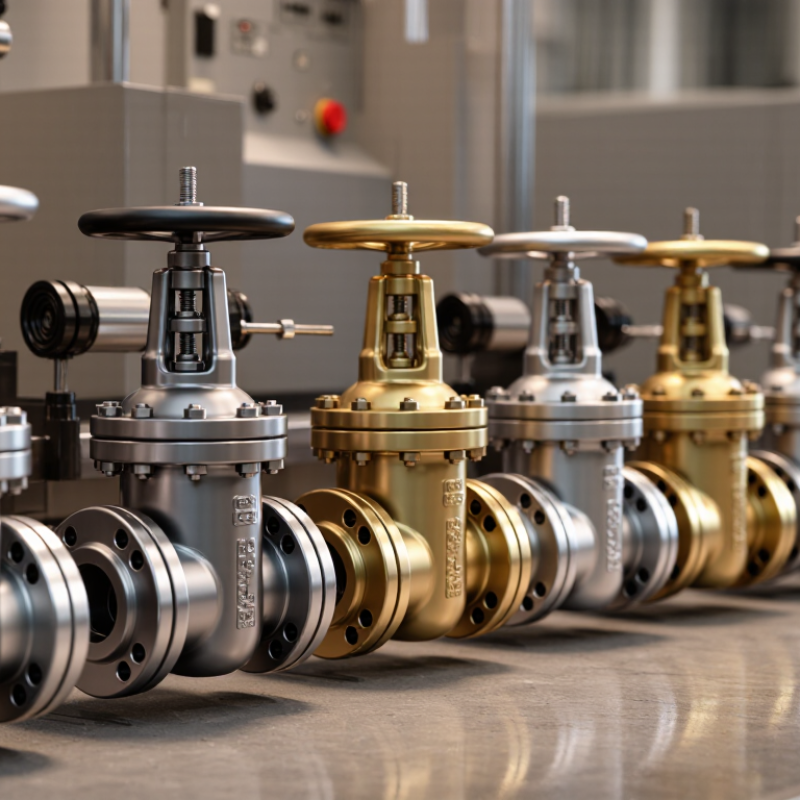
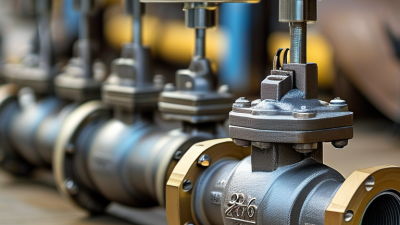
A shut-off valve is a mechanical device that stops or permits fluid flow inside a piping system. Common designs include ball, gate, globe, and butterfly valves. Each suits different pressures, temperatures, flow rates, and maintenance conditions. A valve is not merely a pipe accessory. It is a controlled boundary between people, equipment, and stored energy.
Field inspections show why this boundary matters. A properly selected valve can isolate a damaged section, protect pumps, and reduce exposure during repairs. An incorrectly rated valve may leak, seize, or fail under pressure. Small errors matter. The valve body, seat material, actuator, and end connection must match the medium and operating conditions. ISO 5208 provides pressure-testing principles for industrial valves, helping buyers verify shell strength and seat tightness before installation.
The market reflects this responsibility. Fortune Business Insights reported that the global industrial valves market reached about USD 77.24 billion in 2023 and may exceed USD 102 billion by 2032. This growth reflects expanding water, energy, chemical, and manufacturing infrastructure. However, market growth does not guarantee reliability. The U.S. Environmental Protection Agency identifies valves as important components in leak-detection and repair programs, especially in process facilities. Routine inspection, clear tagging, and accessible installation remain essential. I have seen projects prioritize purchase price, then struggle with replacement access. That decision saves money only on paper. For global buyers, shut-off valves should be evaluated through pressure class, leakage performance, service history, and documented testing—not appearance alone.
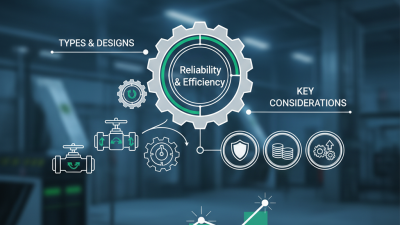
When evaluating Chinese shut-off valve manufacturers, begin with technical fit rather than catalog size. Confirm pressure class, temperature range, media compatibility, connection standards, and required valve materials. Ask for drawings, material certificates, pressure-test records, and dimensional inspection reports. A professional manufacturer should explain its testing process clearly, not simply promise “high quality.”
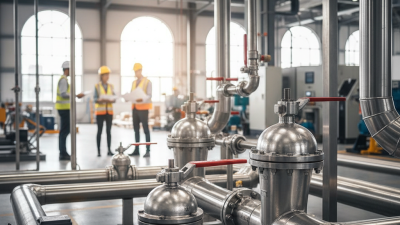
Factory verification matters. Review production equipment, machining capacity, assembly areas, and calibration practices through an onsite visit or independent audit. Check whether serial numbers connect each valve to raw-material records and inspection results. Request recent samples before placing a large order. Test opening torque, sealing performance, coating quality, and leakage under realistic conditions. Small details matter.
Communication reveals operational maturity. Evaluate response speed, engineering accuracy, change-control procedures, packaging, and spare-parts support. Ask for references from projects with similar pressure and service conditions. Confirm production lead times in writing, including inspection and shipping schedules. Certifications are useful, but certificates alone prove little. Their scope and validity require checking.
No supplier is flawless. A polished factory tour can hide weak follow-up. I have seen technically capable teams lose trust through vague delivery updates. Leave room for questions, corrections, and a second sample review. The lowest quotation may also reflect thinner testing or inconsistent materials. Look beyond price, and document every assumption before approval.
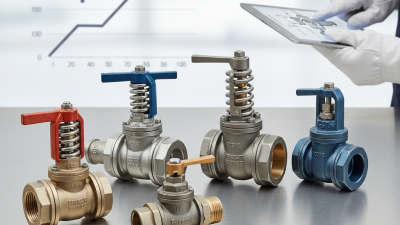
China’s top ten shut-off valve manufacturers serve different industrial needs rather than following one standard product model. Several produce brass and stainless-steel ball valves for water, gas, compressed air, and light chemical systems. Others focus on forged steel gate, globe, and check valves for oil, power, and process pipelines. Their ranges commonly include threaded, socket-weld, flanged, and wafer connections.
Some manufacturers add butterfly valves for large-diameter water lines, while others supply cryogenic valves, high-pressure valves, or sanitary valves for food and pharmaceutical plants. Pneumatic and electric actuated versions are also available. Buyers can often request customized body materials, seat compounds, pressure classes, and end connections. Small details matter. A 2-inch valve may need a different actuator than expected.
Product selection should follow operating temperature, media compatibility, pressure, pipe size, and maintenance access. Experienced suppliers usually provide drawings, material certificates, pressure-test records, and traceability documents. However, document quality can vary between factories. A polished catalog is not proof of stable production. Buyers should inspect sample markings, review test procedures, and confirm whether stated standards apply to the complete valve assembly.
The ten manufacturers may offer similar valve categories, yet their strengths differ. One may handle low-cost utility valves efficiently, while another performs better with engineered industrial orders. Some product ranges appear broad but depend heavily on outsourcing. That point deserves careful checking. Factory audits, sample testing, and clear warranty terms can reveal practical differences before shipment.
China’s top 10 shut-off valve manufacturers should be compared by evidence, not catalog breadth. Grand View Research estimated the global industrial valves market at over USD 75 billion in 2023, with steady growth through 2030. That growth increases pressure on suppliers to prove material quality and testing discipline. Carbon steel suits many water and oil services. Stainless steel performs better against corrosion. Duplex and nickel alloys may justify higher costs in chloride-rich or high-temperature systems. The cheapest material is rarely the safest choice.
Standards reveal manufacturing maturity. ASME B16.34 covers pressure-temperature ratings and valve construction. API 598 and ISO 5208 define pressure testing procedures. Pipeline buyers may require API 6D, while ISO 15848 addresses fugitive emissions. Certification should include traceable mill certificates, calibrated test records, and an independent inspection option. ISO 9001 supports process control, but it does not prove every valve is suitable for a specific medium. That distinction is often missed.
Tips: Request a sample data book before ordering. Check body grade, trim material, seat design, pressure class, end connection, and test standard. Ask whether customization includes actuator sizing, low-temperature service, fire-safe construction, or special coatings. TÜV and other inspection bodies can verify selected claims, but certificates still need scope checking. No shortlist is flawless. A supplier may meet API testing yet provide weak documentation. Another may offer excellent customization but longer lead times. Compare drawings, test reports, warranty terms, and spare-part availability before ranking the final ten.
| Rank | Anonymous Manufacturer Profile | Core Shut-Off Valve Range | Typical Body Materials | Trim & Sealing Options | Nominal Size Range | Pressure Classes | Applicable Design & Testing Standards | Common Certification Options | Customization Capability | Typical Application Sectors |
|---|---|---|---|---|---|---|---|---|---|---|
| 1 | Profile A | Floating Ball Trunnion Ball | Carbon steel, stainless steel, duplex stainless steel, low-temperature carbon steel | 316 stainless steel, alloy steel, hard-faced trim; PTFE, RPTFE, PEEK, graphite and fire-safe packing | DN15–DN1000 ½–40 in |
Class 150–2500 PN16–PN420 |
API 6D, API 608, ASME B16.34, ASME B16.5, ASME B16.10, ISO 5211, API 598 | ISO 9001, API Q1, PED 2014/68/EU, EN 10204 3.1, fire-safe testing to API 607 or API 6FA | Available: cryogenic service, sour-gas materials, extended stems, special end connections and actuator packages | Oil and gas, petrochemical, LNG, power generation and pipeline systems |
| 2 | Profile B | Wafer Butterfly Lug Butterfly Flanged Butterfly | Ductile iron, carbon steel, stainless steel, aluminum bronze | EPDM, NBR, FKM, PTFE and metal-seated designs; stainless steel shafts and discs | DN50–DN2400 2–96 in |
PN6–PN40 Class 150–300 |
API 609, EN 593, ASME B16.34, ISO 5211, EN 12266-1, API 598 | ISO 9001, CE/PED where applicable, WRAS or drinking-water approvals where specified, EN 10204 3.1 | Available: concentric, double-eccentric and triple-eccentric designs; custom liners, discs, shafts and actuators | Water treatment, HVAC, fire protection, marine systems and general industrial piping |
| 3 | Profile C | Gate Valve Globe Valve Check Valve | Forged carbon steel, cast carbon steel, stainless steel, alloy steel | Stainless steel, 13Cr, F6a, Stellite-faced seats, graphite and PTFE packing systems | DN15–DN600 ½–24 in |
Class 150–1500 PN16–PN250 |
API 600, API 602, API 623, API 594, ASME B16.34, API 598, ASME B16.10 | ISO 9001, API Q1, PED 2014/68/EU, fugitive-emission testing to ISO 15848-1 when ordered | Available: bolted or pressure-seal bonnets, bellows seals, low-temperature service and NACE-compliant material selection | Refining, chemical processing, steam systems, power plants and industrial utilities |
| 4 | Profile D | Metal-Seated Ball Top-Entry Ball | Carbon steel, stainless steel, duplex, super duplex and nickel-alloy options | Carbide-coated or Stellite seats, 316 stainless steel trim, graphite and fire-safe sealing systems | DN50–DN1200 2–48 in |
Class 150–2500 PN16–PN420 |
API 6D, API 608, ASME B16.34, ISO 14313, API 607, ISO 15848-1 | ISO 9001, API Q1, PED 2014/68/EU, ATEX for suitable actuator assemblies, EN 10204 3.1 | Available: anti-static construction, double block and bleed, cavity relief, subsea preparation and custom coatings | Pipeline transmission, high-pressure gas, mining, petrochemical and offshore facilities |
| 5 | Profile E | Sanitary Butterfly Sanitary Ball Diaphragm | 316L stainless steel, 304 stainless steel and electropolished stainless steel | EPDM, silicone, FKM, PTFE and FDA-compliant elastomer options | DN15–DN300 ½–12 in |
PN6–PN25 Vacuum-rated options available |
EN 10357, ASME BPE, ISO 2852, ISO 5211, EN 12266-1 and applicable hygienic design requirements | ISO 9001, CE/PED where applicable, FDA-compliant sealing materials, 3-A or EHEDG documentation when specified | Available: orbital-weld ends, clamp connections, surface finishes down to Ra 0.4 μm, drainable bodies and custom port layouts | Food and beverage, dairy, pharmaceutical, biotechnology and cosmetics |
| 6 | Profile F | Cryogenic Ball Cryogenic Globe Extended-Bonnet Valve | 304L stainless steel, 316L stainless steel and low-temperature carbon steel | PTFE, PCTFE, graphite, stainless steel trim and extended-stem packing arrangements | DN15–DN600 ½–24 in |
Class 150–600 PN16–PN100 |
BS 6364, API 6D, API 608, ASME B16.34, API 598 and ISO 15848-1 where required | ISO 9001, PED 2014/68/EU, EN 10204 3.1, low-temperature impact-test documentation | Available: vacuum-jacketed extensions, custom stem lengths, oxygen-clean service and helium leak testing | LNG, industrial gases, air separation, hydrogen and low-temperature process systems |
| 7 | Profile G | Forged Gate Forged Globe Forged Check | A105 carbon steel, LF2 low-temperature steel, F304/F316 stainless steel and alloy steel | 13Cr, 316 stainless steel, hard-faced seats, graphite packing and spiral-wound gasket systems | DN15–DN100 ½–4 in |
Class 150–2500 PN16–PN420 |
API 602, ASME B16.34, ASME B16.5, ASME B16.10, API 598 and ISO 15761 | ISO 9001, PED 2014/68/EU, EN 10204 3.1, NACE MR0175/ISO 15156 material documentation when specified | Available: socket-weld, threaded, butt-weld and flanged ends; compact patterns, bellows seals and special alloys | Instrumentation manifolds, chemical plants, refineries, steam lines and high-pressure equipment |
| 8 | Profile H | Double-Eccentric Butterfly Triple-Eccentric Butterfly | Carbon steel, stainless steel, ductile iron, duplex and aluminum bronze | 316 stainless steel, alloy steel, laminated graphite, PTFE and metal-laminated seat rings | DN100–DN3000 4–120 in |
PN10–PN63 Class 150–600 |
API 609, EN 593, ASME B16.34, ISO 5211, EN 12266-1 and API 607 where fire-safe design is required | ISO 9001, PED 2014/68/EU, EN 10204 3.1, fire-safe test reports and fugitive-emission reports when ordered | Available: large-diameter fabrication, custom face-to-face dimensions, buried-service extensions, gearboxes and electric actuators | Water infrastructure, district energy, power generation, marine and large-scale industrial plants |
| 9 | Profile I | Plug Valve Sleeved Plug Lubricated Plug | Carbon steel, stainless steel, ductile iron and nickel-alloy overlay options | PTFE, reinforced PTFE, elastomer sleeves, metal seats and corrosion-resistant internal coatings | DN25–DN900 1–36 in |
Class 150–1500 PN16–PN250 |
API 599, API 6D, ASME B16.34, ASME B16.5, API 598 and ISO 5211 | ISO 9001, PED 2014/68/EU, API Q1 for eligible product lines, EN 10204 3.1 | Available: jacketed bodies, eccentric plugs, double block and bleed, anti-static features and custom port configurations | Oil transfer, gas processing, chemical handling, slurry service and tank farms |
| 10 | Profile J | Wafer Check Dual-Plate Check Axial Check | Cast iron, ductile iron, carbon steel, stainless steel and duplex stainless steel | 316 stainless steel plates, EPDM, NBR, FKM, PTFE and spring-loaded corrosion-resistant trim | DN25–DN1600 1–64 in |
PN6–PN100 Class 150–600 |
API 594, API 6D, ASME B16.34, EN 12334, EN 12266-1 and API 598 | ISO 9001, PED 2014/68/EU, EN 10204 3.1, WRAS or potable-water documentation where applicable | Available: low-cracking-pressure springs, anti-slam configurations, custom coatings, high-temperature seals and special flange drilling | Water treatment, pump discharge, marine systems, process piping and fire-protection networks |
Choosing among China’s top 10 shut-off valve manufacturers requires more than comparing prices. Fortune Business Insights estimates that the global industrial valves market was worth about USD 78 billion in 2023. Demand is growing across water treatment, energy, chemicals, and manufacturing. This scale creates opportunity, but also makes supplier screening essential. Request a factory audit, production photographs, and recent export references. Confirm whether the manufacturer controls casting, machining, assembly, and pressure testing internally.
Start with the valve’s service conditions. Specify media, pressure class, temperature, nominal size, body material, seat material, and connection standard. Ask for certificates covering chemical composition, heat treatment, dimensional inspection, and hydrostatic testing. API 6D, ASME B16.34, ISO 5208, and EN 12266 may apply, depending on the project. ISO 9001 certification supports process control, but it does not guarantee every shipment. That distinction matters.
Use a technical data sheet before requesting a final quotation. Compare lead time, spare parts, packaging, inspection scope, warranty terms, and payment risks. The World Bank reports that international shipping delays can materially affect supply chains, so include buffer time and clear shipping responsibilities. A third-party inspection can verify markings, test pressure, and material records before dispatch. Still, documents may be incomplete. I would treat missing traceability as a purchasing warning, not a minor paperwork issue. A cheap valve can become expensive after installation.
Global buyers can use nominal pressure designations as an initial technical screening point when comparing Chinese valve quotations. The PN values shown are standardized nominal pressure designations in bar. Final selection must also verify valve material, operating temperature, medium compatibility, applicable standards, inspection records, pressure-test reports, and temperature-related derating.