China Top Apollo Ball Valves Supplier for Global Buyers?
Choosing a China-based supplier for Apollo ball valves calls for more than comparing unit prices. Global buyers should confirm exactly what the product name means in each quotation. Apollo is a valve brand, so verify whether a seller is an authorized distributor or is offering a compatible alternative. Ask for clear product identification, model numbers, and current manufacturer documentation. Small details matter.
A reliable supplier should explain materials, pressure ratings, connection types, and operating limits without vague promises. Request relevant inspection records and test documentation, then check that they match the quoted model and intended service. For example, a stainless-steel valve with threaded ends may suit one installation, while another requires a different material or connection. Fit is specific. No valve is right for every system.
This guide looks at how buyers can assess suppliers, compare quotations, and reduce avoidable sourcing risks. It also considers communication, lead times, packaging, and after-sales support, since these affect projects long after an order is placed. Experience helps, but paperwork alone cannot prove consistent performance. A factory visit may be useful, though not always practical. Ask direct questions and keep written records. Be cautious when claims sound unusually broad or prices seem detached from specifications. The best supplier is not automatically the cheapest or largest. It is the one whose product identity, evidence, and service fit your requirements. Even careful checks have limits, so buyers should review each application with qualified technical staff before purchasing.
Apollo Ball Valves: Definition, Types, and Core Applications
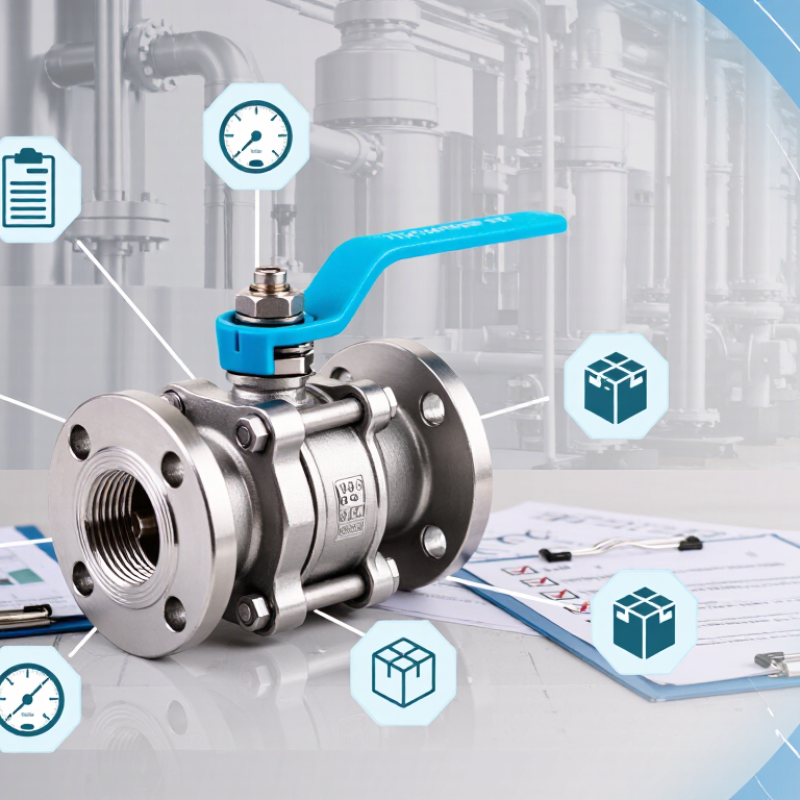
A ball valve is a quarter-turn device that starts, stops, or directs flow. A drilled ball rotates inside the valve body. When its opening lines up with the pipe, fluid passes through; a quarter turn closes the path. Simple, but not universal. Floating-ball designs suit many general services, while trunnion-mounted designs can support larger sizes and higher operating pressures. Multiport versions route flow between different lines. Full-port valves reduce flow restriction, while reduced-port models are often more compact.
Common applications include water systems, heating and cooling loops, compressed-air lines, and industrial process piping. Choosing a valve requires checking the fluid, temperature, pressure, body material, seal material, and connection type. A valve suitable for clean water may not suit abrasive or chemically aggressive media. Actual operating conditions matter more than a broad product description. Even experienced buyers can overlook seal compatibility.
Tips: Confirm the pressure and temperature ratings against the real operating range, not just typical conditions. Check whether the valve is intended for isolation or frequent throttling; many ball valves are better suited to on-off service. When uncertain, verify the specification with a qualified supplier.
Ball Valves: Definition, Types, and Core Applications for Global Buyers
A ball valve is a quarter-turn valve that uses a rotating ball with a bore to start, stop, or—in suitable designs—control fluid flow. When the bore aligns with the pipeline, the valve is open; when the ball turns approximately 90 degrees, the solid part of the ball blocks the flow path.
| Valve Type or Feature | Definition and Design | Typical Applications | Selection Considerations |
|---|---|---|---|
| Floating-ball valve | The ball is held between the seats and can move slightly under line pressure. This movement helps press the downstream seat against the ball to create a seal. | Common shutoff service in water, general industrial, and process piping systems. | Suitability depends on valve size, pressure, temperature, seat material, and the manufacturer’s design limits. |
| Trunnion-mounted ball valve | The ball is supported by upper and lower trunnions. The seats move toward the ball, reducing the load required to turn it compared with many floating-ball designs. | Often used in larger-diameter or higher-pressure pipeline and process applications. | Check the stated pressure-temperature rating, seat design, operating torque, and maintenance requirements for the specific valve. |
| Full-port (full-bore) valve | The ball bore is approximately the same diameter as the connecting pipe, allowing a relatively unobstructed flow path. | Applications where low flow restriction or passage of cleaning tools through the line is important. | Typically larger and heavier than a comparable reduced-port valve; confirm actual bore dimensions before specifying. |
| Reduced-port valve | The ball bore is smaller than the connecting pipe’s internal diameter, creating a more restricted flow path. | General-purpose isolation where compact size or lower cost is prioritized over a full-diameter bore. | Account for the resulting change in flow area and pressure loss in the system design. |
| Three-way ball valve | Has three ports and a ball passage arranged to redirect flow. Depending on the bore pattern, it can divert flow between outlets or combine flow from inlets. | Process routing, mixing, and diverting duties in compatible piping arrangements. | Confirm the port pattern, handle positions, and flow path for each operating position; three-way designs are not interchangeable. |
| Multiport ball valve | Uses a specially bored ball and multiple connections to provide more than one flow path in a single valve body. | Compact flow routing in process equipment and systems with several connected lines. | Review the valve’s port diagram and operating sequence to ensure the required paths are available. |
| V-port or characterized ball valve | Uses a shaped ball opening to provide more gradual changes in flow as the valve opens. It is intended for control duties rather than basic on-off service alone. | Modulating flow control in compatible liquid or gas process systems. | Confirm control range, actuator sizing, fluid properties, and suitability for the required control performance. |
| Body and trim materials | Valve bodies and internal parts may use materials such as brass, bronze, carbon steel, stainless steel, or engineered plastics. Seats and seals are selected separately. | Material choices support a range of water, utility, industrial, and chemical services. | Check compatibility with the fluid, corrosion conditions, operating temperature, pressure, and applicable regulations. |
| End connections | Common connection styles include threaded, flanged, socket-weld, and butt-weld ends. | Installation in building services, plant piping, and pipeline systems. | Match the connection type, size, pressure class, facing, and dimensional standard to the piping system. |
| Core application areas | Ball valves are widely used for shutoff and flow routing. Some specialized designs are suitable for throttling or automated control. | Water and wastewater, HVAC, general manufacturing, oil and gas, and chemical process systems, when the selected materials and design are suitable. | Do not assume one valve is suitable for every medium or duty. Verify service conditions, leakage requirements, approvals, and operating method. |
Buyer’s note: Pressure and temperature limits are specific to the complete valve design, size, materials, end connection, and applicable standard. Confirm the product documentation and service compatibility before selection; do not rely on valve type alone to determine a safe operating range.
Related Posts
-
Understanding How Automatic Recirculation Valves Enhance System Efficiency and Performance
-
Best Recirculation Valve Options for Your China Sourcing Needs?
-
How to Choose the Right Pilot Valve for Your Application?
-
China Top Three Way Valve Suppliers for Global Buyers?
-
What Are the Top Globe Valve Types for Global Buyers?
-
Top Apollo Ball Valves for Optimal Performance and Reliability?