Ultimate Tips for Choosing Solar Panel Connectors?
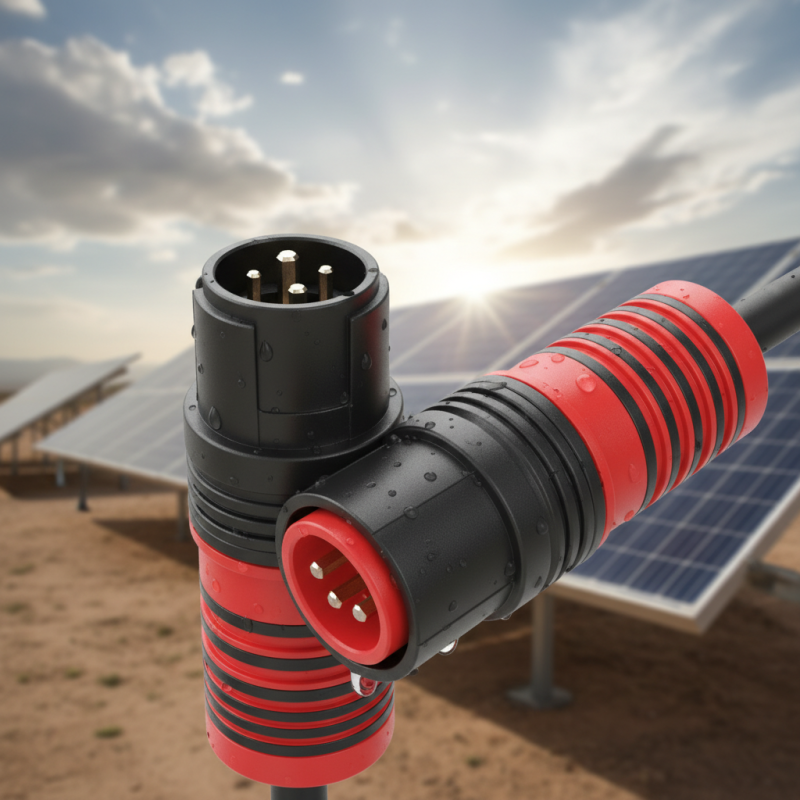
Choosing the right Solar Panel Connectors is essential for any solar power system. These components play a crucial role in connecting panels to the grid or battery. A poor choice can lead to inefficiencies or even failures.
It's important to understand that not all connectors are created equal. Different environments and applications may require specific types. For instance, connectors need to be durable enough to withstand harsh weather conditions. Likewise, they should be easy to use, ensuring a secure and reliable connection.
While many manufacturers claim their products are the best, it's wise not to take their word at face value. Researching reviews and gathering insights from experienced users can uncover potential pitfalls. This proactive approach helps ensure that your investment in Solar Panel Connectors is sound and effective.
Understanding Solar Panel Connectors: Types and Functions
When it comes to solar panel connectors, understanding their types and functions is crucial. Solar connectors play a significant role in the efficiency and safety of your solar power system. The most common types include MC4 connectors, which are known for their weather resistance and secure electrical connection. They are essential for maintaining a reliable link in outdoor settings where exposure to elements is a concern.
Another type is the branch connector, typically used in systems with multiple panels. These connectors allow several solar panels to link effectively, ensuring an optimized flow of electricity. Choosing the wrong type can lead to performance issues and potential hazards. Many users overlook the importance of the connector's amperage rating, which can lead to overheating if not matched correctly.
It's easy to assume all connectors are created equal. However, this isn't the case. You might find some connectors are difficult to work with. Their designs can lead to improper installations, causing loss of efficiency. Always check compatibility with your panels and follow best practices during installation to minimize mistakes. Understanding these details helps in making informed choices and avoiding costly errors later.
Key Factors to Consider When Choosing Solar Panel Connectors
When choosing solar panel connectors, several key factors come into play. The material and construction of the connectors are crucial. Look for connectors made from durable materials that can withstand harsh weather conditions. Quality materials increase reliability, ensuring your solar system functions efficiently over time.
Compatibility is another factor you should consider. Connectors must fit your solar panels and inverter seamlessly. Mismatched connectors can lead to inefficiencies or even damage your system. It’s wise to read specifications carefully to avoid potential pitfalls.
Here are some tips: Always prioritize waterproof and UV-resistant connectors for durability. Testing connectors under real-world conditions can reveal weaknesses. Lastly, think about ease of installation. Connectors with user-friendly designs save time and effort, making your setup smoother. Remember, investing time upfront can lead to long-term benefits in your solar energy system.
Evaluating the Compatibility of Connectors with Solar Panel Systems
When evaluating the compatibility of connectors with solar panel systems, a few critical factors demand attention. The choice of connectors directly affects efficiency and safety. A 2023 report from the International Renewable Energy Agency (IRENA) highlights that improper connector types can lead to energy losses up to 5%. This is significant, especially when optimizing solar energy output.
Understanding connector specifications is essential. Look for connectors rated for high voltage and current to match your solar panels. For instance, most residential solar systems utilize connectors rated for at least 1500V DC. Solar panel systems typically employ MC4 connectors due to their reliability; however, checking compatibility is crucial. Not all connectors will support the environmental conditions, and choosing the wrong one could lead to premature failure.
Another aspect often overlooked is environmental resistance. Connectors must withstand temperature variations and moisture exposure. According to the National Renewable Energy Laboratory, connectors can degrade rapidly in harsh conditions. This raises the importance of selecting connectors designed for durability. Regular inspections can also help identify early signs of wear and tear, allowing for timely replacements to maintain system efficiency.
Assessing Durability and Weather Resistance of Connector Options
When choosing solar panel connectors, assessing durability and weather resistance is crucial. Connectors often face harsh environments. Rain, snow, and fluctuating temperatures can cause wear and tear. A reliable connector has to withstand these elements. Understanding materials is essential. For example, connectors made of UV-resistant thermoplastic can last longer under sunlight exposure.
Look for connectors with high IP (Ingress Protection) ratings. An IP67 rating indicates they are dust-tight and can withstand immersion in water. Testing in real-world conditions is important. Some connectors may perform well in controlled settings but fail under actual weather stress. Regular checks can help identify any degradation over time.
Consider the installation location as well. Coastal areas may pose a higher risk of corrosion due to saltwater exposure. Some connectors are designed specifically for such climates. Identifying your environmental needs can lead to better long-term performance. However, no connector is entirely perfect. Regular maintenance and replacements can mitigate unexpected failures. Building awareness of common issues makes a significant difference in maintaining a solar power system.
Ultimate Tips for Choosing Solar Panel Connectors
This chart illustrates the durability ratings of different solar panel connector types, allowing for easy comparison. When selecting connectors, it's crucial to consider their durability to ensure long-term performance in various weather conditions.
Installation Tips for Maximizing the Longevity of Solar Connectors
When installing solar panel connectors, choosing the right approach can enhance their longevity. Proper installation protects connectors from environmental stressors. Poor connections can lead to arcing and overheating. This can damage both the connectors and the panels.
One essential tip is to ensure connectors are securely fastened. Loose connections can cause corrosion over time. Adding silicone sealant can also help reduce moisture exposure. This offers an extra layer of protection against the elements. Always check for signs of wear or damage during routine maintenance.
Consider working in ideal weather conditions. Extreme temperatures can affect the installation process. Recent studies show that connectors installed in moderate weather last longer. Regularly inspecting connectors can also catch potential issues early. Aim for a proactive approach rather than waiting for failures.