What is a Residential Ultrasonic Water Meter and How Does It Work?
In recent years, the Residential Ultrasonic Water Meter has emerged as a significant advancement in water consumption measurement. Experts in the field, like Dr. Emily Hart, emphasize its importance by stating, “The Residential Ultrasonic Water Meter offers unparalleled accuracy in tracking water usage.” This technology utilizes ultrasonic sound waves to measure flow rates, minimizing errors common in traditional meters.
The appeal of Residential Ultrasonic Water Meters lies in their ability to provide precise readings without the moving parts that characterize mechanical meters. This reduces wear and tear, enhancing longevity and reliability. With the increasing focus on water conservation, households are seeking smarter solutions. Ultrasonic meters can help users monitor their consumption effectively.
However, it is essential to recognize that not all ultrasonic meters are equally reliable. Users may face challenges related to installation and calibration. Reflection on personal experiences reveals the importance of choosing a reputable brand. With the right approach, Residential Ultrasonic Water Meters can revolutionize the way we think about our water usage.
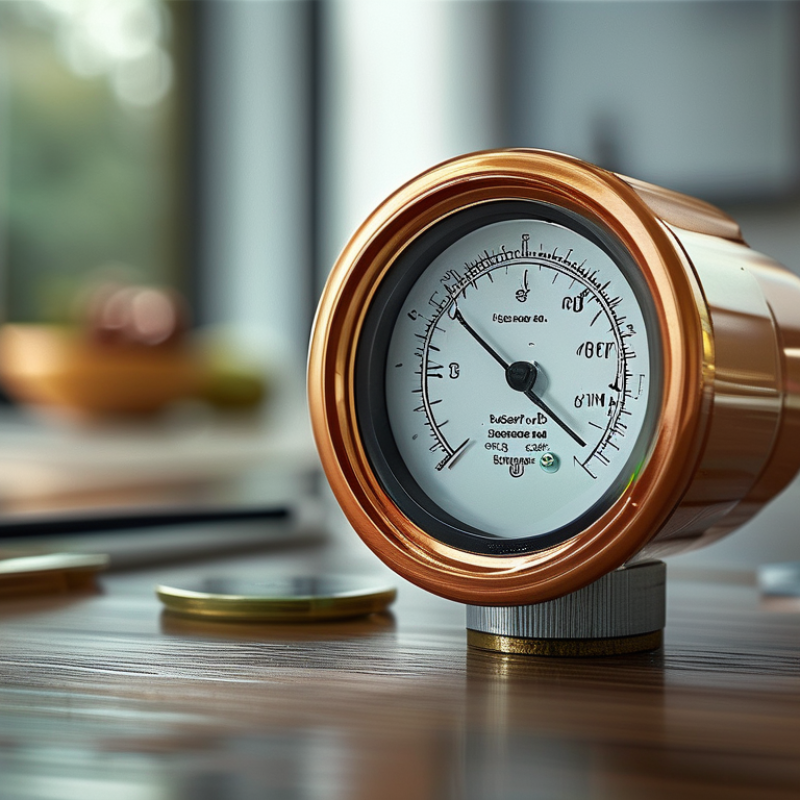
What is a Residential Ultrasonic Water Meter?
A residential ultrasonic water meter is a cutting-edge device designed for accurate measurement of water consumption. Unlike traditional meters, which rely on mechanical components, ultrasonic meters utilize sound waves. These devices send ultrasonic pulses through water flowing in the pipe. By measuring the time it takes for these pulses to travel, they determine the flow rate and provide precise usage data.
Industry reports indicate that ultrasonic water meters offer significantly higher precision. They can achieve an accuracy of up to ±1% compared to traditional meters, which may only be accurate to ±5% under certain conditions. This increased accuracy is particularly beneficial in reducing losses from underreporting. According to a 2021 study by the American Water Works Association, water utilities can lose up to 20% of their revenue due to inaccurate billing from older meter technologies.
Moreover, ultrasonic meters often require less maintenance and are more durable. However, some challenges remain. Installation can be complicated, especially in older systems. Additionally, environmental factors, like air bubbles or temperature fluctuations, may affect their performance. Contemplating these variables is essential for maximizing their benefits in residential settings.
Key Components of Ultrasonic Water Meters and Their Functions
Ultrasonic water meters utilize advanced technology to measure water flow accurately. At the heart of these devices are two key components: ultrasonic transducers and signal processing units. The transducers emit ultrasonic sound waves. They travel through the water and are reflected back to the transducer. When flow changes, it affects the time it takes for these sound waves to return, enabling precise measurements. According to a report by the International Water Association, ultrasonic meters offer accuracy within 2% compared to traditional meters, which often falter.
The signal processing unit analyzes the data received from the transducers. High-quality algorithms calculate the flow rate and overall water consumption. This technology reduces maintenance needs due to fewer moving parts. However, challenges remain in various water conditions, such as bubbles and sediment. According to the American Water Works Association, these factors can impact performance.
Another critical aspect is the communication system. Many ultrasonic meters now feature IoT capabilities. They enable remote access to data, offering real-time insights into water usage patterns. Yet, relying on wireless transmissions may not always be reliable due to interference. Professionals must carefully consider these elements when deploying ultrasonic water meters.
How Ultrasonic Water Meters Measure Flow Rates Accurately
Ultrasonic water meters offer a precise way to measure flow rates in residential settings. They operate using sound waves, sending these waves through the flowing water. When the water flows, it affects the travel time of the waves. By calculating the difference in time, the meter accurately determines the flow rate. This technology is efficient and requires minimal maintenance.
What sets ultrasonic meters apart is their lack of moving parts. Traditional meters often experience wear, leading to inaccuracies over time. In contrast, ultrasonic meters provide consistent readings without mechanical interference. However, the installation process must be performed correctly to ensure accurate results. Any potential obstruction in the pipeline can affect flow patterns and skew measurements.
While many households benefit from this technology, it is important to consider periodic calibrations. This ensures the meter retains its accuracy over the years. Understanding the underlying technology helps users trust the readings. Homeowners should stay informed about maintenance needs, even if the product claims to be low-maintenance. Balancing these aspects provides a clearer picture of water consumption.
Benefits of Using Ultrasonic Water Meters in Residential Settings
Residential ultrasonic water meters are gaining traction due to their accuracy and efficiency. Unlike traditional mechanical meters, these devices use sound waves to measure water flow. This technology offers several advantages for homeowners. First, they provide precise measurements, which can lead to better water management. According to a report by the American Water Works Association, accurate metering can reduce water loss by up to 20%, a significant figure given the increasing demand for water conservation.
Additionally, ultrasonic meters have no moving parts. This design minimizes wear and tear, resulting in a longer lifespan and reduced maintenance costs. A study published in the Journal of Water Resource Planning and Management highlighted that ultrasonic meters can operate effectively in various water quality conditions, unlike mechanical meters which can be hindered by debris or scale buildup. This reliability can improve billing accuracy and customer satisfaction.
Moreover, ultrasonic water meters aid in leak detection. They can identify irregularities in flow patterns, alerting homeowners to potential issues. The potential savings from early leak detection are considerable. For instance, the Environmental Protection Agency estimates that leaks can account for more than 10,000 gallons of water wasted per year in an average household. By upgrading to ultrasonic technology, homeowners not only contribute to conservation efforts but also promote sustainable water use.
What is a Residential Ultrasonic Water Meter and How Does It Work? - Benefits of Using Ultrasonic Water Meters in Residential Settings
| Feature | Description | Benefits |
| Measurement Technology | Uses ultrasonic waves to measure water flow. | High accuracy in flow measurement. |
| Maintenance | Requires minimal maintenance compared to mechanical meters. | Reduced operational costs over time. |
| Data Accuracy | Records usage with high precision. | More reliable bills and better water management. |
| Installation | Can be installed horizontally or vertically. | Flexible installation options for various layouts. |
| Environmental Impact | Helps in detecting leaks and reducing water wastage. | Sustainable water usage and conservation. |
Industry Standards and Calibration Practices for Ultrasonic Water Meters
Industry standards for ultrasonic water meters are crucial for ensuring accuracy and reliability. According to the American Water Works Association (AWWA), proper calibration is essential to meet these standards. Calibration processes help to verify that meters are providing correct readings. Regular calibrations can reduce discrepancies that occur due to wear and tear.
It is interesting to note that the AWWA suggests that ultrasonic meters can achieve an accuracy of ±2% under optimal conditions. However, environmental factors can influence measurements. Factors such as temperature changes and water quality might affect the performance of the meter. Some studies indicate that nearly 10% of meters may require recalibration within five years of installation due to these fluctuations.
Ongoing training for technicians is vital to maintain calibration standards. Technicians should understand the complexities of ultrasonic technology. They must also be aware of the conditions affecting meter readings. Implementing a robust calibration protocol can reduce inaccurate billing. A well-implemented calibration schedule is not just an operational requirement but a customer service essential. Addressing these concerns ensures that water authorities provide fair and precise billing, which is vital for maintaining public trust.
Ultrasonic Water Meter Performance Metrics