Why You Need a Gas Shut Off Valve for Home Safety?
In recent years, gas-related incidents have raised significant safety concerns in homes. According to the National Fire Protection Association (NFPA), gas appliances cause over 20% of residential fires each year. A gas shut off valve is a critical component for mitigating these risks. This simple device can prevent explosions and gas leaks, potentially saving lives.
Many homeowners overlook the importance of a gas shut off valve. Yet, studies show that timely shut off can significantly reduce the chances of catastrophic accidents. Imagine a sudden leak occurring during a family gathering. Without this valve, the situation could escalate quickly. It is essential to address how a gas shut off valve can act as a frontline defense in emergencies.
Experts recommend installing a gas shut off valve in every home. The fact is, natural gas is volatile. A single spark can lead to disastrous outcomes. Having the ability to promptly shut off the gas supply can be lifesaving. As more households become energy-efficient with gas, ensuring safety through effective measures becomes non-negotiable. Home safety starts with proactive steps, and a gas shut off valve is one of the simplest, yet most effective.
Importance of Gas Shut Off Valves in Residential Settings
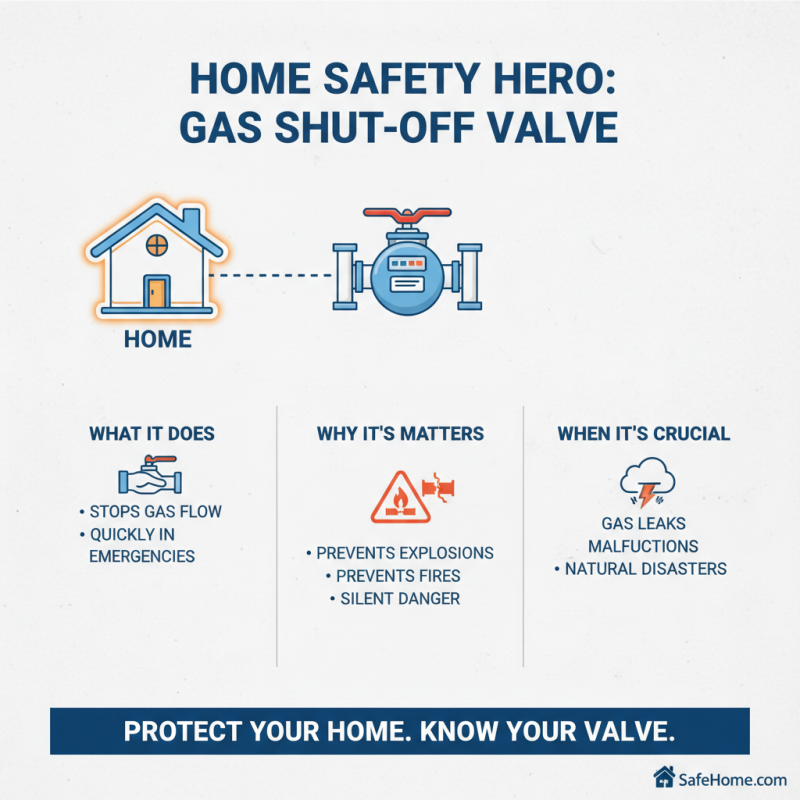
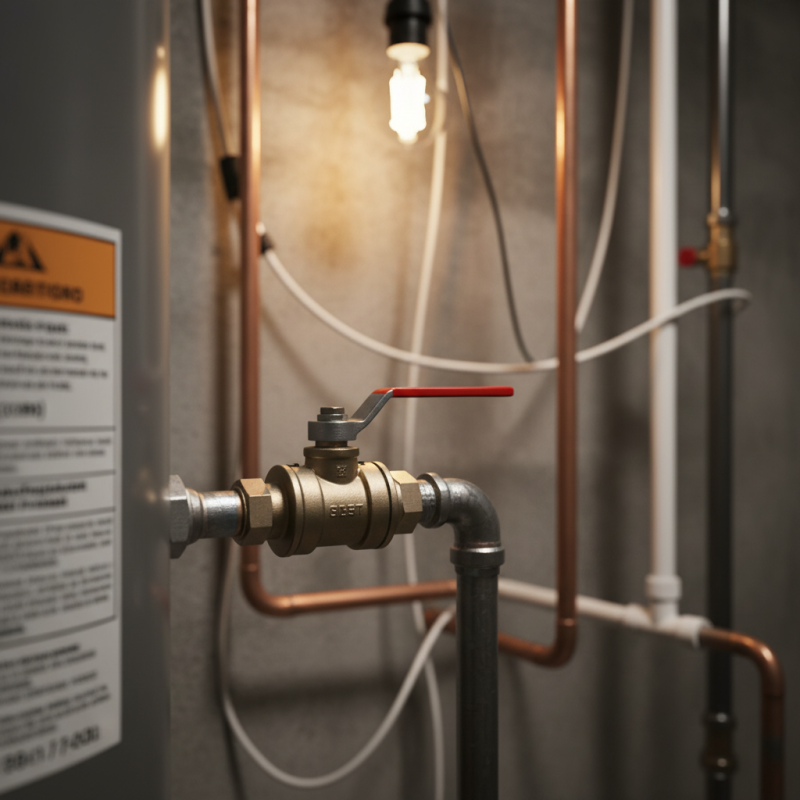
Gas shut off valves play a crucial role in home safety. They are designed to quickly stop gas flow in emergencies. In residential settings, such a valve can prevent explosions or fires caused by gas leaks. These dangers are often silent but deadly. A simple malfunction or a natural disaster can lead to serious problems.
It's important to regularly check your gas shut off valve. Ensure it works properly. A valve that is stuck or damaged can be a source of concern. You can test it by turning it off and on a few times. Be cautious, though. If you smell gas, evacuate immediately and call for help.
Here are a few quick tips: Always know where your gas shut off valve is located. Make sure all family members know how to operate it. Regular maintenance is key. Don’t put it off. Remember, a moment of attention can save lives. Safety starts at home.
Types of Gas Shut Off Valves and Their Functions
Gas shut off valves are crucial for home safety. They prevent gas leaks and reduce the risk of fire or explosion. Understanding the different types of these valves can help homeowners make informed decisions.
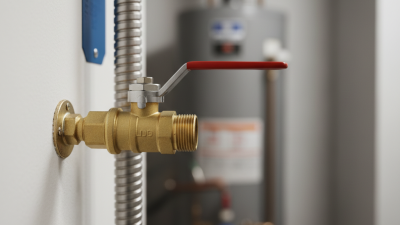
There are manual shut off valves. These require physical operation during emergencies. They are often found near gas meters. Automatic shut off valves, on the other hand, activate without human intervention. They can detect leaks and shut off the gas supply. Both types serve vital roles but have different advantages.
Consider installing a gas shut off valve. Think about accessibility and the need for regular maintenance. Evaluating your home's layout is important. A poorly located valve may cause delays in an emergency. This is a critical aspect that many overlook. Regular checks can help ensure the system works when needed.
Why You Need a Gas Shut Off Valve for Home Safety? - Types of Gas Shut Off Valves and Their Functions
| Type of Gas Shut Off Valve |
Function |
Safety Features |
Installation Location |
| Manual Shut Off Valve |
Allows for manual control of gas flow |
Simple design, easy to operate |
Near gas appliances |
| Automatic Shut Off Valve |
Automatically closes under unsafe conditions |
Trained to detect gas leaks |
Main gas line |
| Seismic Shut Off Valve |
Shuts off gas during an earthquake |
Designed to react to vibrations |
Near gas meter |
| Remote Shut Off Valve |
Allows remote operation for safety |
Can be controlled from a distance |
Centralized control location |
Statistics on Gas Leaks and Home Explosions Related to Gas Systems
Gas leaks pose a significant threat to home safety. A startling statistic reveals that about 50,000 reported gas leaks occur in the United States each year. These leaks often lead to fire hazards and explosions. The National Fire Protection Association estimates that gas-related incidents cause around 15 deaths annually. This emphasizes the importance of having preventive measures in place.
Moreover, residential gas explosions can cause widespread damage. The Property Casualty Insurers Association notes that such incidents result in billions of dollars in property damage annually. With over 70% of homes using natural gas for heating, the risk is even higher. When gas accumulates, it creates a highly flammable environment. This risk can be mitigated with gas shut-off valves, which automatically seal the gas supply in emergencies.
Surprisingly, many homes lack proper safety features. According to a recent survey, nearly 40% of homeowners do not have gas shut-off valves installed. This oversight can lead to devastating consequences. Reflecting on these statistics highlights the urgent need for increased awareness regarding gas safety. Homeowners must consider proactive steps to protect their families and property against gas-related incidents.
Installation Requirements and Best Practices for Gas Shut Off Valves
A gas shut-off valve is crucial for home safety. It allows quick access to stop gas flow during emergencies. Homeowners must ensure proper installation to maximize safety. The valve should be easily accessible. Consider placing it outside your home for quick reach. This way, you can react swiftly if necessary.
Installation requires careful planning. The valve should be installed by a qualified professional. This helps meet local codes and ensures functionality. Never attempt to install it yourself if you're unsure. Use proper fittings and secure connections. Regular inspections are essential. Check for leaks and ensure the valve operates smoothly. It’s vital to stay informed about gas safety practices.
Even with the best precautions, mistakes can happen. Homeowners sometimes overlook the valve's location. Ensure everyone in the house knows where it is. Sometimes, visuals or markers can help. Regular discussions about gas safety can keep the entire household aware. Reflecting on these details will strengthen overall safety at home.
Importance of Having a Gas Shut Off Valve for Home Safety
This chart illustrates the importance level of various aspects related to gas shut off valve installation and maintenance. The values indicate the critical nature of each factor on a scale from 1 to 10. Ensuring a proper installation, regular maintenance, and public awareness is essential for enhanced home safety regarding gas usage.
Regulatory Standards Governing Gas Shut Off Valve Usage in Homes
Gas shut off valves are essential for ensuring safety in homes. Many regions have regulatory standards that mandate their installation. These regulations help protect families from potential hazards such as gas leaks or fires. Homeowners must understand these requirements to maintain safety.
In areas where gas appliances are common, regulations often specify the type and location of shut off valves. For instance, a valve should be easily accessible. This allows for quick action during an emergency. However, not all homes comply with these standards. Some homes might lack proper installation or even ignore them completely. This negligence can lead to dangerous situations.
Inspections are vital. They ensure that shut off valves function correctly. Homeowners may overlook this aspect amid busy routines. Regular checks can prevent future issues. It's a small step that has significant safety implications. Awareness and compliance with these standards can save lives and property.