Essential Gas Valve Tips for Homeowners What You Need to Know?

Gas valves play a crucial role in home safety and energy efficiency. Understanding their function can prevent emergencies. According to the National Fire Protection Association, gas appliances are involved in about 14% of home fires. Homeowners need to be aware of the potential risks and how to manage them properly.

Regular maintenance of gas valves is essential. Worn or malfunctioning valves can lead to dangerous leaks. The American Gas Association reports that nearly 50% of gas leaks occur due to outdated equipment. It’s vital to inspect valves periodically, ensuring they are in good working condition.

Homeowners often overlook gas valves. This negligence can result in costly repairs or hazardous situations. Familiarizing oneself with how these valves operate is a necessary step toward a safe home environment. Taking action not only protects your family but also saves energy and reduces utility bills.
Essential Gas Valve Tips for Homeowners What You Need to Know?

Understanding Different Types of Gas Valves for Home Use

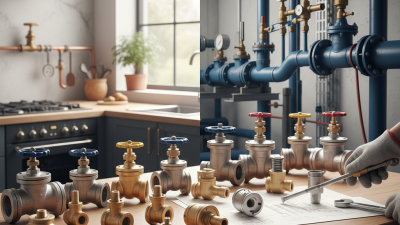
When it comes to gas valves used in residential settings, understanding their types is crucial. The main types include ball valves, gate valves, and globe valves. According to the National Fire Protection Association (NFPA), about 60% of home gas incidents occur due to faulty valve installations. Homeowners must prioritize correct selection and maintenance to enhance safety.

Ball valves are popular for their quick on/off functionality. They provide excellent sealing and are ideal for high-pressure conditions. In contrast, gate valves are more suited for situations where full flow is a priority. However, they can wear down over time. A study by the American Gas Association reports that improper valve choice can lead to leaks, potentially causing dangerous situations.

It's alarming to note that many homeowners underestimate the importance of regular valve inspection. Missing regular checks can lead to failures. A survey revealed that nearly 30% of homeowners had never inspected their gas valves. This lack of awareness can result in costly repairs and safety hazards. Regular maintenance is vital for each type of gas valve to ensure they function correctly over time.
Identifying Safety Features in Gas Valves for Your Home

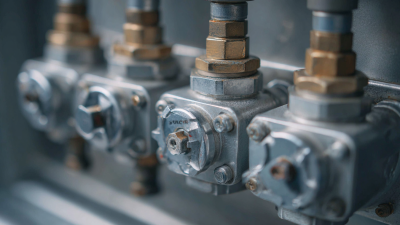
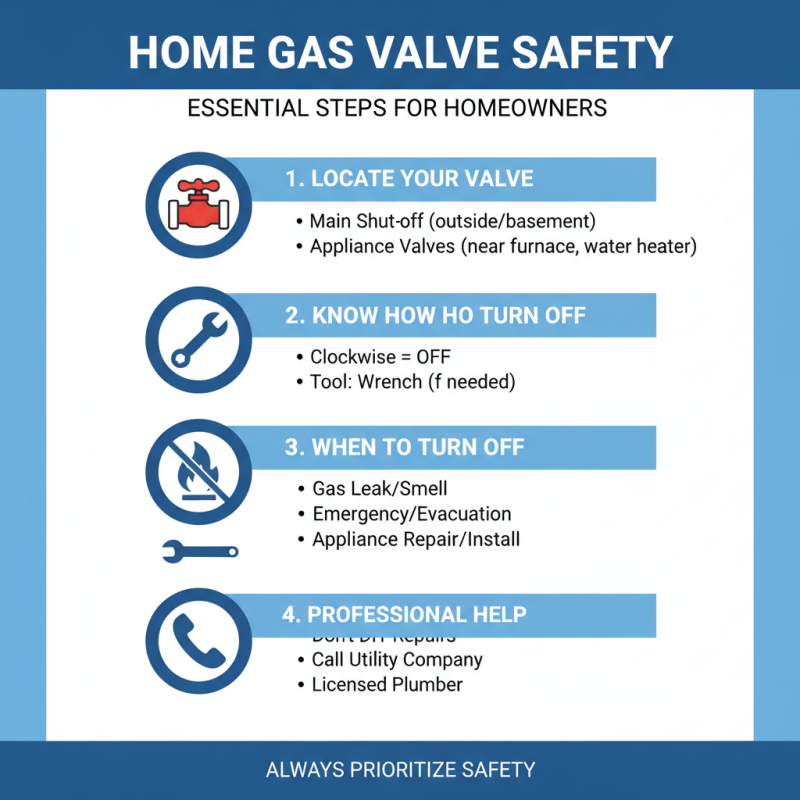
When it comes to gas valves, safety is a priority for homeowners. Gas valves serve as crucial components in managing gas flow in your home. Understanding their safety features can prevent accidents and ensure peace of mind. Look for valves that have built-in safety shut-off mechanisms. These automatically close the gas supply if a leak is detected. It’s an important feature that can save lives.

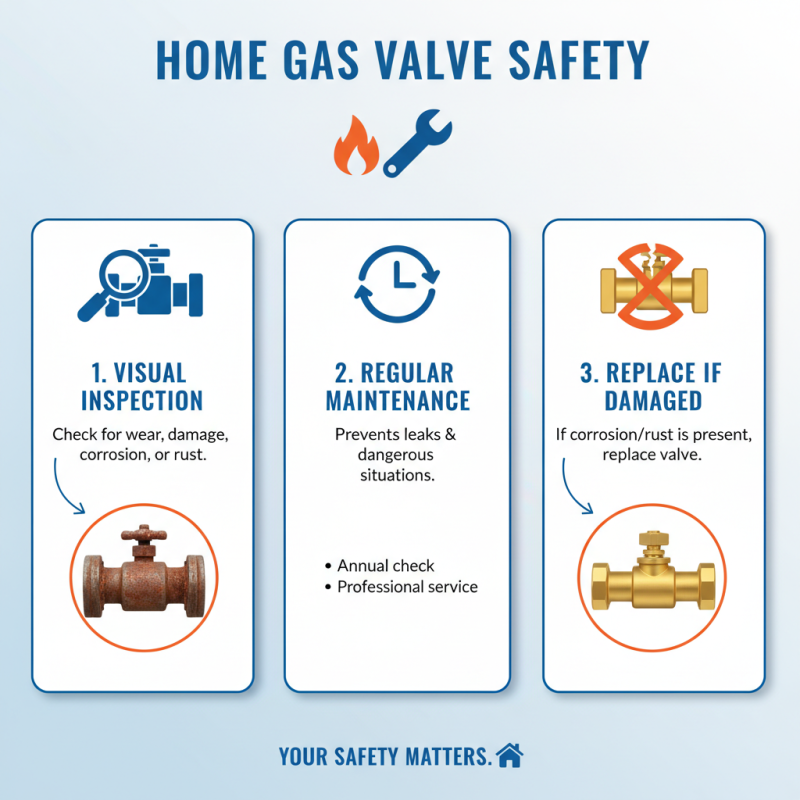
Another essential aspect is the valve’s construction material. High-quality materials mean better durability. Corrosion-resistant options are optimal. Regular visual inspections are necessary to spot any signs of wear or damage. Don’t ignore small rust spots; they can indicate a bigger problem.

Lastly, familiarize yourself with the manual shut-off feature. It allows immediate control in emergencies. Ensure it is easily accessible and functioning correctly. Regular maintenance is crucial; don’t forget it. Sometimes, it's easy to overlook these valve details in daily life. Prioritizing safety means taking the time to learn about these vital components in your home.

Step-by-Step Guide to Operating Gas Valves Safely

Essential Gas Valve Tips for Homeowners What You Need to Know?

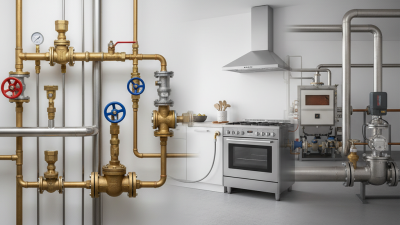
Gas valves are essential for controlling your home’s gas supply. Operating them safely is crucial for every homeowner. Here’s a straightforward guide to help you navigate this task with ease.

Start by identifying the type of gas valve you have. Some may be manual, while others are automatic. Knowing their functions will help you respond correctly. Always check for leaks before you operate a valve. A small gas leak can lead to big problems. Use a soapy water solution on the joints and watch for bubbles. They indicate a leak that needs fixing.

When turning the valve, do it gently. Forceful handling can damage the mechanism. If it’s stuck, don’t apply excessive pressure. Consider getting assistance. If something feels off, trust your instincts. If you smell gas, leave the area immediately.

Remember to keep the area around the gas valve clear of clutter. This prevents accidents and allows easy access in emergencies. Regular maintenance is also necessary. Inspect the valves periodically for any signs of wear or corrosion. Keeping a checklist can help you stay organized and aware.

Routine Maintenance Tips for Gas Valves in Household Systems

Essential Gas Valve Tips for Homeowners What You Need to Know?

Gas valves are essential for safety in your home. Regular maintenance can prevent leaks or dangerous situations. Start by checking valves for any visible signs of wear or damage. If you see corrosion or rust, it may be time to replace the valve.

Tips: Inspect the valve at least every six months. Keep the area around the valve clean and free of debris. A cluttered space can lead to accidents.

Pay attention to unusual sounds or smells. If you notice hissing or strong gas odors, this requires immediate action. Turn off the gas supply and contact a professional. Trust your instincts; don't ignore these signs.

Remember, maintenance isn’t just about fixing issues. It's about preventing them. Regular checks can save you trouble in the long run. Gas safety is not a task to delay. Prioritize it diligently.

Signs That Indicate Gas Valve Issues and When to Call a Professional

Homeowners should be aware of the signs that indicate gas valve issues. A gas valve leak can lead to dangerous situations. Look for a strong odor similar to rotten eggs. A hissing sound near the valve may also mean trouble. If you notice a decrease in gas pressure, this could indicate a problem as well. Such signs shouldn’t be ignored.

When these symptoms appear, it is essential to seek help. Attempting to fix it on your own might worsen the situation. A professional will assess the valve and identify the root cause. They have the tools and expertise for proper repairs. Don't hesitate to call them if you feel uncertain. Trust your instincts; it’s better to be safe than sorry. Always prioritize safety in your home.

Essential Gas Valve Tips for Homeowners