How to Ensure Effective Welding Protection for Safety?
Welding Protection is crucial for ensuring a safe working environment. The welding process generates intense heat and hazardous fumes. These elements can pose serious risks to welders if not effectively managed. Adequate protective gear and equipment are essential. This ensures that welders are shielded from burns, inhalation hazards, and flying debris.
Many workers believe they are safe with minimal protection. However, this assumption can lead to serious accidents. Personal protective equipment (PPE) must include welding helmets, gloves, and fire-resistant clothing. Each piece of equipment should fit properly and meet industry standards. It’s often overlooked that even small gaps in protection can result in injury.
Reflecting on workplace safety, we see that complacency can undermine welding protection. Regular training and safety audits are important. Workers should understand the risks they face daily. Taking a proactive stance can make a significant difference in preventing injuries and creating a culture of safety. Effective welding protection must be prioritized for the safety of all involved.
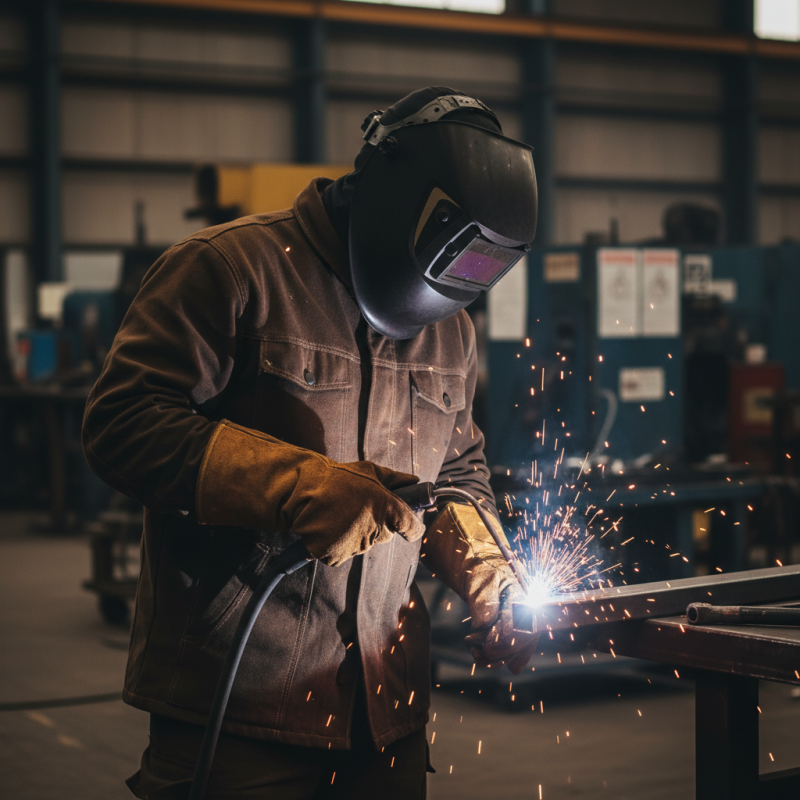
Understanding the Importance of Welding Protection Equipment
Welding is a critical process in various industries, yet it poses significant risks. Reports indicate that 40% of welding-related injuries are due to inadequate protective measures. Proper welding protection equipment is not just a safety accessory; it is essential to preventing injuries. The right gear helps shield workers from harmful fumes, heat, and UV radiation.
Many welders overlook the need for high-quality helmets and protective clothing. A study shows that 30% of injuries occur because workers wear improper gear. Some may think a standard helmet is sufficient, but it doesn't always offer the necessary UV protection. Gloves and aprons also play a vital role, yet nearly 25% of welders admit they don’t wear them consistently.
Reflecting on these statistics reveals a critical gap in workplace safety compliance. Employers must prioritize comprehensive training on the importance of protective equipment. Ignoring this can lead to severe consequences, including long-term health issues. Investing in proper equipment and training is not optional; it is a necessity for ensuring every welder's safety.
Identifying the Essential Personal Protective Equipment for Welders
Welding can be a dangerous job. Proper personal protective equipment (PPE) is crucial for safety. Essential gear includes helmets, gloves, and protective clothing. A welding helmet protects the eyes from bright arcs and sparks. It should fit well and have a proper lens shade. Without this, serious eye damage can occur.
Gloves are equally important. They should be made from durable materials that resist heat and sparks. Poor-quality gloves can lead to burns and injuries. Protective clothing should cover the entire body. Long sleeves and heavy-duty pants are necessary. Fabrics must be flame-resistant.
Despite these protections, many welders overlook the importance of fit. A loose helmet can shift during work, exposing the face. Gloves that are too big can impair grip. Attention to these details matters greatly. It’s essential to regularly assess equipment for wear and tear. Doing so can prevent accidents. Adopting a proactive approach to PPE helps ensure a safer working environment.
Safe Work Practices to Minimize Welding Hazards
Welding is a crucial process in many industries, but it comes with significant hazards. According to the American Welding Society, nearly 30% of professional welders face serious injuries at some point in their careers. Ensuring effective welding protection is vital. Proper personal protective equipment (PPE) is the first line of defense. This includes helmets, gloves, and jackets. These items should meet industry standards for safety, yet many welders often choose comfort over compliance.
Work practices also play a key role in minimizing hazards. Maintaining a clutter-free workspace can reduce accidents. Proper ventilation is necessary to mitigate the risks of harmful fumes. The Occupational Safety and Health Administration reported that around 400,000 workers are exposed to harmful welding fumes each year. Many facilities overlook proper exhaust systems, which can lead to long-term health issues.
Training is often inadequate. Welders need to understand the risks associated with their work. Regular safety drills can promote awareness and preparedness. Yet, many employees report feeling unprepared for emergencies. Refresher courses can help reinforce safe practices, but they are sometimes neglected in fast-paced environments. Cultivating a culture of safety is essential for effective risk management in welding operations.
Regular Maintenance and Inspection of Welding Gear
Welding is a critical profession, yet it comes with significant risks. Regular maintenance and inspection of welding gear are essential to ensure safety. According to the American National Standards Institute (ANSI), improper gear can lead to severe injuries or accidents. Almost 80% of welding-related injuries involve equipment failure. This statistic underscores the need for diligent inspections.
Inspecting welding helmets, gloves, and protective clothing frequently is vital. A welding helmet should offer adequate protection against UV and IR radiation. Typical lifespan is 3 to 5 years, depending on usage. Operators often overlook minor damage, which can lead to greater problems. Performing a simple visual check can help identify cracks or scratches, which might compromise safety.
Moreover, gloves must be flame-resistant and free from holes. According to a 2022 study by the National Institute for Occupational Safety and Health (NIOSH), nearly 30% of welders reported using damaged gloves. This creates a significant risk of burns or electric shock. In addition, proper ventilation is crucial in welding environments. Ensuring that all protective gear is in top condition will reduce health risks and improve overall safety. Regularly assess gear for functionality and wear. Consistent care can prevent regrettable accidents.
Training and Education for Optimal Welding Safety Measures
Training and education play crucial roles in ensuring welding safety. Despite advancements in technology, human error remains a significant factor in welding accidents. According to the Bureau of Labor Statistics, welding injuries account for approximately 10% of all workplace injuries in the manufacturing sector. This highlights the need for comprehensive training programs.
Effective training should cover safety practices, equipment handling, and emergency procedures. Hands-on experience is vital. Trainees must understand the hazards of welding fumes and radiation. Regular drills can reinforce safety measures, but inconsistencies often occur during real operations. A survey revealed that 40% of welders did not fully remember safety protocols after training. This gap underscores the necessity for continuous education.
Incorporating interactive learning methods can enhance retention. Workshops and simulations provide practical applications of safety knowledge. Visual aids and easy-to-follow guides can assist in remembering key safety tips. Yet, many companies neglect ongoing training, leading to potential risks. Reflection on training effectiveness is essential. A culture of safety encourages regular discussions about procedures and real incidents, ensuring that welders are always vigilant.
How to Ensure Effective Welding Protection for Safety?
| Safety Measure | Description | Training Frequency | Assessment Method |
| Personal Protective Equipment (PPE) | Use of helmets, gloves, and safety goggles to protect against burns and injuries. | Annual training sessions | Practical demonstrations |
| Ventilation | Ensuring adequate airflow to reduce harmful fumes and particles. | Quarterly workshops | Surveys and feedback |
| Fire Safety | Implementation of fire extinguishers and fire safety protocols during welding. | Biannual drills | Emergency response tests |
| Equipment Inspection | Regular checks of welding equipment to ensure safety standards are met. | Monthly inspections | Documentation of findings |
| Emergency Training | Training workers on how to respond to accidents and emergencies. | Annual refresher courses | Simulation exercises |