How to Choose the Best Photovoltaic Connectors for Your System?
In today's renewable energy landscape, the significance of Photovoltaic connectors cannot be overstated. These small yet critical components play a vital role in ensuring the efficient operation of solar energy systems. According to a recent industry report, the photovoltaic connector market is expected to grow by 12% annually through 2028. This growth reflects the increasing adoption of solar technology worldwide.
Choosing the right photovoltaic connectors for your system is essential. Poor quality connectors can lead to inefficiencies and decreased system performance. In fact, a study found that faulty connectors account for nearly 25% of energy losses in solar installations. Surprisingly, many users overlook this aspect when designing their systems.
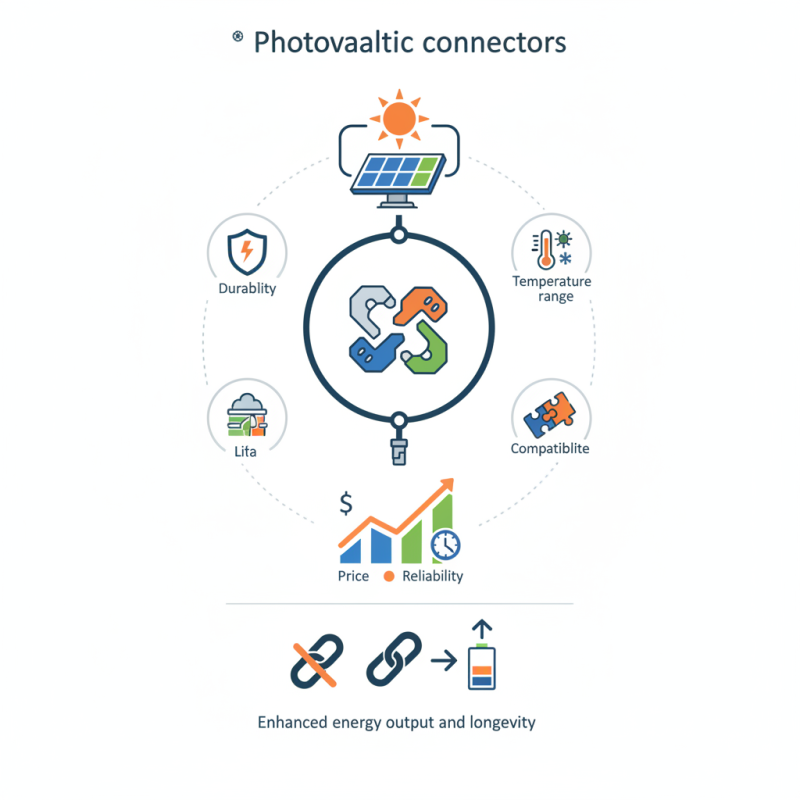
When selecting connectors, consider factors such as durability, temperature range, and compatibility. It’s easy to focus solely on price, but long-term reliability should weigh heavily in your decision. Reflecting on past choices can reveal mistakes that affect overall performance. Investing in quality photovoltaic connectors can significantly enhance energy output and longevity of the solar setup.
Understanding Photovoltaic Connector Types: An Overview
When choosing photovoltaic connectors, it's essential to understand the types available. There are several common types of connectors used in solar energy systems. MC4 connectors are popular due to their reliability and ease of use. They can withstand harsh weather conditions and ensure a secure electrical connection.
Another type is the T4 connector, which is gaining popularity for its compact design. It often features an IP68 rating, allowing for great protection against dust and water. However, users might find compatibility issues with older systems. This can lead to confusion during installation.
It’s also important to consider the cable gauge associated with each connector type. Using the wrong gauge may lead to energy losses or overheating. Reflecting on connector choice is vital. Mistakes here may affect overall system efficiency. Understand your system's requirements before selecting the connectors.
Key Specifications for Selecting Solar Connectors: A Technical Guide
When choosing photovoltaic connectors, several key specifications must be considered. The current rating is crucial. Ensure that the connectors can handle the maximum output of your solar array. High-quality connectors should support a range of current levels. Look for those rated at least 20 A for most applications.
Voltage rating is another important factor. Connectors need to withstand the voltage produced by the solar panels. A higher voltage rating allows for the system to operate efficiently and safely. Generally, a rating of at least 1000 V is advisable for most systems.
Durability cannot be overlooked. Connectors face harsh weather elements. UV resistance is essential for longevity. Also, consider the materials used in the connectors. Copper components may offer better conductivity compared to aluminum. Seal types, such as IP67 ratings, ensure they are waterproof.
Reflecting on these factors can lead to informed decisions. Missing out on even one specification can lead to future issues. Always evaluate the specific needs of your solar system before making a choice.
Evaluating Environmental Factors Impacting Connector Performance
When choosing photovoltaic connectors, environmental factors play a crucial role in performance. Temperature fluctuations can affect conductivity. Extreme heat or cold can degrade material integrity. Reports show that connectors in areas with high temperature variations can fail 30% faster than those in temperate climates.
Moisture levels are another significant consideration. High humidity can lead to corrosion. Research indicates that corrosion can reduce connector efficiency by 15% in humid environments. Protecting connectors from moisture should be a priority for solar installers.
Moreover, UV exposure can weaken connectors over time. Some studies note a 20% performance decline in connectors exposed to intense sunlight without protective coatings. Solutions may not always be straightforward. Regular inspections and maintenance may be needed, which can be overlooked. Environmental durability is essential for long-term system reliability, yet often underestimated.
Comparing Connector Ratings: Current, Voltage, and Temperature Considerations
When selecting photovoltaic connectors, it’s crucial to focus on their ratings. Current ratings determine how much electricity can pass through without overheating. If the connectors can’t handle the load, they can become a weak link in your system. Voltage ratings are equally important. A mismatch can lead to electrical failures. Pay attention to how voltage ratings align with your panels' specifications.
Temperature ratings should not be overlooked. Connectors need to operate well in various environments. High temperatures can degrade materials over time. Look for connectors that can handle extreme weather conditions. Ensure they are also rated for low temperatures. Regular inspection might be needed to avoid unexpected failures.
Reflect on your system’s needs. Not all connectors are created equal. Some may claim high ratings but fail in practical scenarios. It's essential to critically evaluate the specifications. Look for connectors that consistently perform under stress. Remember that regular maintenance is key to long-term reliability. Choosing wisely can save money and enhance efficiency in the long run.
How to Choose the Best Photovoltaic Connectors for Your System?
| Connector Type | Current Rating (Amps) | Voltage Rating (Volts) | Temperature Range (°C) | Material |
| MC4 | 30 | 1000 | -40 to 90 | PVC |
| H4 | 20 | 1500 | -40 to 85 | Thermoplastic |
| Tyco | 40 | 1000 | -40 to 90 | Copper |
| JST | 15 | 600 | -30 to 85 | Polymer |
Best Practices for Installation and Maintenance of Photovoltaic Connectors
When installing photovoltaic connectors, attention to detail is crucial. Begin by ensuring the working environment is clean and dry. Moisture can compromise the integrity of connections. Before connecting, inspect each connector for any visible damage. Damaged connectors can lead to failures later.
Proper torque settings during installation are vital. Over-tightening can damage the connectors. Conversely, under-tightening can lead to loose connections and increased resistance. Regularly check connections after storms or heavy wind. This simple step can prevent costly repairs.
Maintenance should not be overlooked. Cleaning solar panels and connectors regularly helps optimize performance. Dust and debris can accumulate and hinder efficiency. Record maintenance schedules to track checks and repairs. This practice can identify trends, revealing underlying issues early on. Remember, consistent vigilance leads to long-lasting system health.