
What Is the Best Industrial Panel PC from China? The answer depends on the factory, not merely the country of origin. A food-processing line needs sealed surfaces and easy cleaning. A metalworking cell needs vibration resistance, bright displays, and stable operation near electrical noise. A warehouse may value wireless connectivity and sunlight-readable screens more than maximum processing power. The best Industrial Panel Pc must fit its environment, workload, and maintenance plan.
Market research shows why this category deserves careful evaluation. Grand View Research estimated the global industrial PC market at approximately USD 5.6 billion in 2023, with continued growth expected through 2030. MarketsandMarkets also identified automation, edge computing, and Industry 4.0 investments as important demand drivers in its Industrial PC Market report. These figures are useful, but they cannot confirm whether one supplier will survive a twelve-hour shift in a hot, dusty cabinet. Specifications can look impressive. Reality is less tidy.
Christine Boles, former Intel Vice President of the Internet of Things Group, stated, “The edge is where data is created, and where the most value can be generated.” That principle explains the role of an Industrial Panel Pc: it connects operators, machines, sensors, and business systems close to production. Buyers should examine processor longevity, operating-system support, IP ratings, touch technology, thermal design, display brightness, certifications, spare-parts availability, and local technical service. Chinese manufacturers offer strong cost competitiveness and increasing engineering capability, but quality varies widely. A reliable comparison must test actual units, inspect documentation, and question optimistic claims. The cheapest panel may become the most expensive choice.
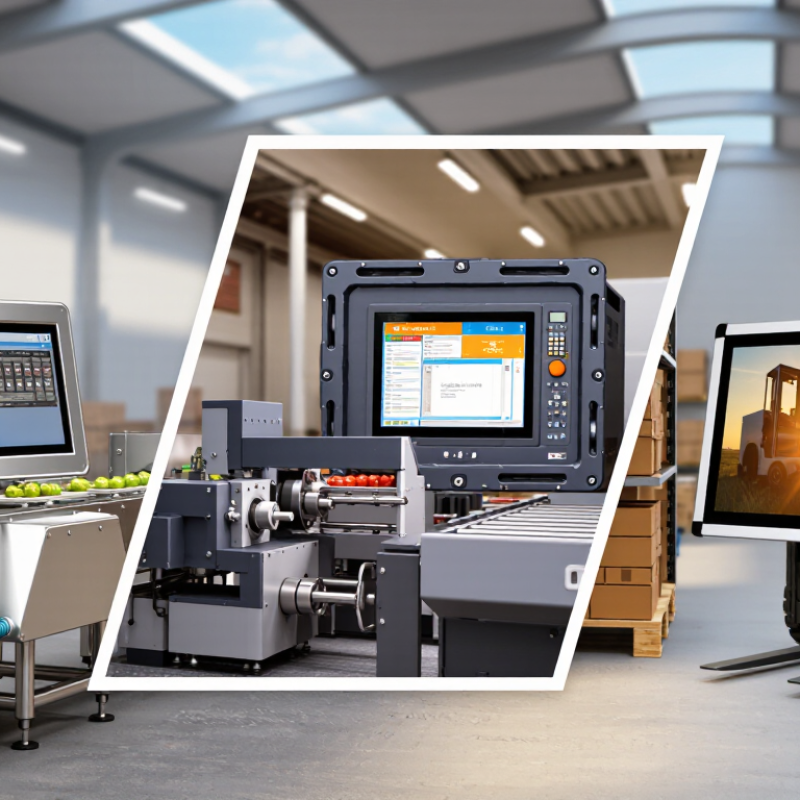
An industrial panel PC is more than a screen with a computer inside. It combines a display, processing unit, touch interface, and industrial mounting system in one enclosure. In practical factory evaluations, I check how it behaves beside motors, dust, vibration, and temperature changes. A glossy screen means little if operators cannot read it under strong ceiling lights.
The enclosure is a defining feature. Aluminum or treated steel can improve strength and heat dissipation. An IP65-rated front panel helps resist dust and water during routine cleaning. However, a high rating is not enough. Poor cable glands can still expose internal components. That detail is easy to miss.
The computer should support stable operation over long shifts. Fanless cooling reduces moving parts and limits dust intake, but it may restrict performance. A wide-temperature design is useful near ovens, cold rooms, or loading areas. Capacitive touch works smoothly, while resistive touch may respond better to gloves. Neither option is perfect.
Reliable models also offer accessible ports, secure mounting, and long-term component availability. Before purchasing from China, request test records, operating-temperature data, and sample units. Check the actual screen in your factory lighting. I have seen specifications look impressive, yet the touch response failed with wet gloves. Real testing often reveals the uncomfortable gaps.
What Is the Best Industrial Panel PC from China?
Evaluating a Chinese industrial panel PC manufacturer requires more than comparing prices. Start with the application. A dusty workshop, refrigerated room, or control cabinet demands different protection levels, screen types, and operating temperatures. Ask whether the manufacturer can provide a 10.1-inch or 15.6-inch sample for real testing. Check touch accuracy with gloves, screen readability under direct light, and boot stability after repeated power cycles.
Technical evidence matters. Request CPU specifications, memory options, storage endurance data, and detailed interface drawings. Confirm the panel PC supports the required Ethernet, USB, serial, and display connections. An IP rating should match the enclosure design, not merely appear in a brochure. Review quality records, product traceability, and test reports from recognized laboratories. Firmware updates should have clear procedures and documented change histories.
Factory capability also deserves close attention. A reliable manufacturer should explain its aging tests, inspection stages, and spare-parts policy without hesitation. Ask how defective units are analyzed and how quickly engineers respond. Video meetings help, but a factory audit can reveal calibration tools, assembly discipline, and packaging quality. A low quotation is attractive. It may also hide shorter testing or weaker components. I have seen specifications change during negotiation, which is a warning sign. Even experienced buyers can overlook mounting tolerances or cable clearance. Leave room for those uncomfortable questions.
What Is the Best Industrial Panel PC from China? Which Specifications Matter Most for Industrial Applications?
A strong industrial panel PC should match the factory, not just win a benchmark test. The International Federation of Robotics reported 541,302 industrial robots installed worldwide in 2023. That growth increases demand for stable HMI control, fast data exchange, and continuous operation. For most production lines, an Intel-class processor, 8–16 GB industrial-grade memory, and an SSD with power-loss protection provide a sensible baseline. More cores are not always better. Unused performance can increase heat and cost.
The enclosure deserves equal attention. Under IEC 60529, IP65 means dust-tight protection and resistance to water jets. It does not guarantee protection against high-pressure cleaning. Check the full temperature range, vibration rating, shock testing, and condensation resistance. Brightness above 500 nits helps operators read screens near windows, while projected-capacitive touch may fail with thick gloves. A resistive or hybrid touch option can work better. Sometimes, simpler is safer.
Connectivity also matters. Select native Ethernet, isolated serial ports, USB access, and optional fieldbus support for existing equipment. NIST SP 800-82 Rev. 3 recommends reducing unnecessary functions and separating industrial networks. Secure boot, TPM support, long-term operating-system availability, and controlled updates should be verified before purchase. The U.S. Department of Energy notes that motor systems consume over 70% of industrial electricity, so electrical noise and thermal design cannot be ignored. A low price may look attractive, but weak cooling or uncertain lifecycle support can become the expensive mistake.
For industrial panel PCs, environmental protection and long-term reliability usually deserve the highest evaluation priority. Processing performance, industrial I/O, display usability, lifecycle support, and serviceability should then be matched to the application. The 100-point framework below is a practical, brand-neutral purchasing model rather than a company-specific ranking.
A panel PC should be matched to its workplace, not selected by processor speed alone. On a dusty production line, sealed housing and an IP-rated front panel matter more than decorative design. Dust changes everything. Check the gasket, connector covers, and cooling method. Fanless systems reduce maintenance, but passive cooling may limit performance in warm cabinets.
Cold storage creates different problems. Touchscreens must respond through gloves, while displays need stable operation below freezing. In outdoor installations, sunlight readability, wide-temperature components, and surge protection deserve careful testing. A bright screen can still fail when condensation reaches the connectors. That matters. Ask for operating-temperature data, not only storage-temperature figures.
In my equipment evaluations, vibration and cable strain often reveal weaknesses missed during office testing. Compare mounting strength, serial ports, Ethernet options, and replacement access for each application. For Chinese suppliers, request sample testing, inspection records, firmware support details, and a clear warranty process. Certifications improve confidence, but they do not replace practical trials. A supplier may offer excellent customization, yet documentation can be incomplete or difficult to verify. I have seen specifications look convincing until a touchscreen was tested with oily gloves. Human factors remain easy to overlook. Consider cleaning chemicals, viewing angles, operator habits, and future software updates before approving a production order.
Choosing the best China-made industrial panel PC starts with the application, not the lowest quotation. A perfect choice rarely exists. Factory floors need stable performance, clear displays, and dependable service.
Check the processor, memory, storage, and operating temperature range against your workload. For a dusty production line, an IP65 front panel can reduce cleaning-related failures. Bright workshops may require a 1,000-nit display and an optical-bonded touchscreen. Confirm sunlight readability with a physical sample, not only a specification sheet. Count the required ports carefully. One missing serial interface can create expensive redesign work.
Ask the manufacturer for test records, material details, and certification documents relevant to your market. ISO 9001 production control is useful, but it does not replace product testing. Request a sample for continuous operation, touch accuracy, vibration exposure, and power-cycle checks. Review firmware update methods and long-term component availability. A low price can hide short supply periods or weak technical support. I have seen projects overlook mounting dimensions, then modify an entire control cabinet. Measure twice. Require clear drawings before ordering. Evaluate warranty terms, spare-part access, response times, and final inspection procedures. An on-site or independent factory audit adds confidence, although it increases purchasing time. That trade-off is often worthwhile.
